
Shark Trust Digital Adoption
Adopt · Symbolic adoption · Global ocean
Symbolic adoption Through The Shark Trust
A set of worldwide digital shark adoption packs connected to the Shark Trust's conservation campaigns, science, fisheries work, and public education.
A featured species or animal is the communication link, while the contribution normally supports a wider programme and may be shared by many supporters.
Independent listing: WhereAnimalsLive does not collect or route this contribution, receive a referral fee, represent The Shark Trust, certify its claims, or guarantee that this offer will remain available. The organisation's official website is the source of truth at checkout.
What This Page Can—and Cannot—Decide
This review can help you identify the official The Shark Trust route, understand why we classify it as symbolic adoption, see which species make the connection relevant, and arrive at the payment page with better questions. It can also expose a common mismatch: a supporter may expect money to follow one animal while the official terms allow it to support a wider portfolio.
It cannot decide whether Shark Trust Digital Adoption is the best use of your money, verify every field outcome, replace regulated financial or tax advice, or predict a future change in leadership, policy, delivery, or programme design. Conservation results are rarely attributable to one payment or organisation, and simple overhead ratios do not measure field quality on their own.
What the Official Material Says It Supports
The official adoption pages make clear that the packs support broader shark conservation rather than a particular shark being owned, tagged, fed, or reserved for one supporter.
That description is a concise editorial summary of the official source reviewed on the date above. It is not a promise from WhereAnimalsLive and it should not replace the organisation's current programme page, financial information, policies, or payment terms.
What You May Receive
Digital packs can provide species information and supporter materials without international shipping. Current species, contents, and licence or gift terms are set by the official shop.
Certificates, biographies, updates, merchandise, event access, and tax receipts are secondary to conservation outcomes. Check stock, delivery territory, digital access, privacy, and any benefit value before choosing an option.
Important Programme Context
A species-themed pack is symbolic and programme-wide. It should not be confused with an encounter booking or with a guarantee that a contribution is restricted to one local population.
A conservation label does not automatically prove impact, and a compelling animal story does not show how every payment is allocated. Good due diligence looks at the organisation, the specific offer, the legal recipient, recent reporting, and the role of local communities as a connected system.
Animals Connected to This Programme
These links show verified editorial relevance, not a promise that a general contribution is restricted to every species listed. Open each guide for habitat, wild locations, responsible viewing, conservation status, and trip planning.
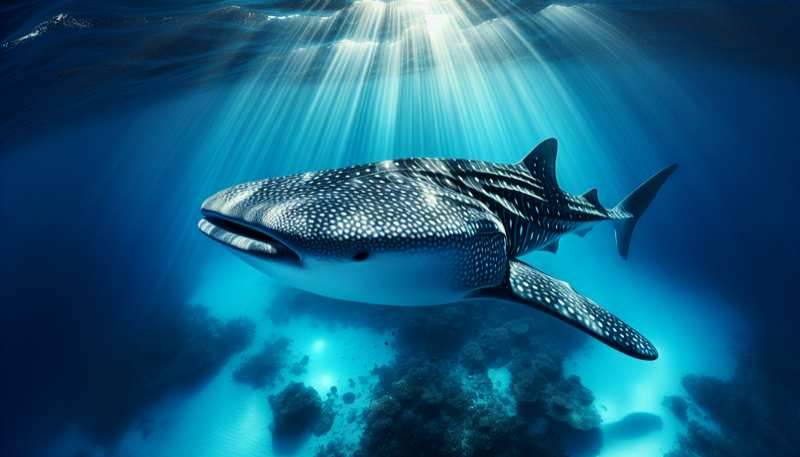
Whale Shark
ENRhincodon typus
Endangered · Tropical and warm temperate oceans
Where it lives →
Great White Shark
VUCarcharodon carcharias
Vulnerable · Temperate and subtropical coastal waters
Where it lives →Hammerhead Shark
CRSphyrna mokarran
Critically Endangered · Tropical and warm temperate coastal waters, open ocean
Where it lives →Verify Before You Contribute
- Confirm which species packs are currently available and whether they are entirely digital.
- Review the campaign or conservation programme connected to the pack.
- Check currency, gift-recipient, download, renewal, and privacy terms.
- Start from the official domain shown above rather than a social advertisement, copied payment link, or unsolicited message.
- Save the receipt and current terms if the contribution renews, includes delivery, or needs to be documented for tax purposes.
See the Wider Wildlife Context
A contribution does not offset poor wildlife-viewing behaviour. Use these guides to understand habitat, seasonality, operator questions, access, local rules, and the pressure tourism can place on the same species.