
Komodo National Park
Best time: April - December (dry season)
About Komodo National Park
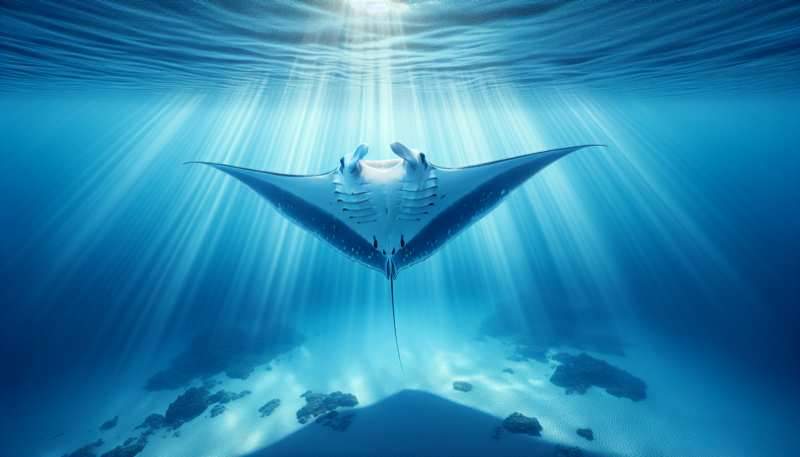
Komodo National Park encompasses several volcanic islands in eastern Indonesia and is the only place on Earth where Komodo dragons live in the wild. The surrounding waters boast world-class diving with manta rays, reef sharks, and vibrant coral reefs.
Highlights
- Guided Komodo dragon trekking on Rinca and Komodo Islands
- World-class diving and snorkeling with manta rays
- Pink Beach — one of only seven pink sand beaches in the world
- Padar Island viewpoint for iconic multi-bay photos
Getting There
Fly into Labuan Bajo (LBJ) from Bali or Jakarta. Most visitors explore by liveaboard boat.
Nearest airport: Komodo Airport, Labuan Bajo (LBJ)
Travel Essentials
Vaccinations
- Hepatitis A & B
- Typhoid
- Rabies
Budget Guide
Weather & Climate
Dry season: Apr-Nov: Hot, dry, clear. Best for diving (visibility 20-30m).
Wet season: Dec-Mar: Rainy, rougher seas. Manta rays more active.
Temperature: 25°C-35°C year-round. Water 26°C-29°C.
Sample 5-Day Itinerary
- Day 1: Fly to Labuan Bajo from Bali. Sunset at Puncak Waringin viewpoint.
- Day 2: Boat to Rinca Island — Komodo dragon trek. Pink Beach. Kalong Island bats at sunset.
- Day 3: Komodo Island guided trek. Snorkelling at Taka Makassar and Kanawa Island.
- Day 4: Diving at Batu Bolong/Castle Rock (manta rays). Or Padar Island viewpoint hike.
- Day 5: Cunca Wulang waterfall or Melo village. Afternoon departure.
Safety & Tips
Always stay with park ranger near Komodo dragons. Don't run. Strong currents at dive sites. Reef-safe sunscreen.
Tipping: Boat crew: IDR 50,000-100,000/day. Guide/ranger: IDR 50,000-100,000/day. Tips in IDR.
Local transport: Boats from Labuan Bajo harbour. Scooter rental in town. Grab limited.
Animals You Can See Here

Explore Wildlife Beyond Komodo National Park
Country guides connect this destination with other habitats, species, planning considerations, and responsible-viewing advice.
Ecosystems at This Destination
Habitat guides explain the viewing conditions and conservation pressures shared with similar ecosystems elsewhere.
Responsible Wildlife Experiences in Komodo National Park
These editorial guides explain the activity format, physical conditions, animal-welfare questions, and operator checks to make before booking.
Book Komodo National Park Tours & Experiences
Current Viator listings matched to this destination. Confirm the itinerary, operator, recent reviews, availability, and cancellation terms before booking.

Early Morning Group Speedboat Tour to Komodo National Park
10h 30m
Exclusive Early Bird Komodo Tour: Beat the Crowds by Speed Boat
11 hours
Kampot Day Tour "Bokor National Park"
4 hours
Small Group Komodo Fast Boat Tour with Padar Island & Pink Beach
10 hours
Full Day Komodo Tour With Hey Bali Info Visit 6 Spot
10 hours
Sulawesi Tangkoko National Park Private Tour
10 hoursReady to Visit Komodo National Park?
Build your complete trip with our free trip builder. We'll help you find flights, hotels, and tours.
Build Your Trip →See Komodo National Park
Komodo National Park Adventure

Komodo National Park FAQ
The planning window currently listed for Komodo National Park is April - December (dry season). Use it as a starting point, not a sighting promise: weather, animal movement, access, and local rules can change. Check current conditions with the relevant park or protected-area authority before booking.
Build a current total for transport, entry fees or permits, guiding, accommodation, meals, insurance, equipment, and taxes. Prices and currencies change too often for a generic daily figure to be dependable. Compare dated quotes with the same inclusions and confirm official fees and cancellation terms before paying.
Our current route note is: Fly into Labuan Bajo (LBJ) from Bali or Jakarta. Most visitors explore by liveaboard boat. Verify operating schedules, border or entry requirements, road and seasonal access, baggage limits, and transfers with the relevant authorities and providers for your travel dates.
This guide connects Komodo National Park, Indonesia, with Komodo Dragon, Manta Ray. The list is a planning aid rather than a complete inventory or guarantee. Ask a current local authority or responsible operator which species and public areas are realistic for your dates.
Use legal public access and follow the current instructions of park staff, guides, and local communities. Keep a safe distance, never feed, call, chase, or block wildlife, and do not ask for sensitive nesting, den, or release locations. Choose operators that explain group size, viewing rules, community benefit, and what happens when animals move away.