Planning your first African safari is an exciting adventure that promises unforgettable wildlife encounters, breathtaking landscapes, and memories to last a lifetime. As 2026 approaches, now is the perfect time to start organizing this dream trip. With proper planning, research, and preparation, your first African safari can exceed all expectations and provide you with incredible opportunities to witness some of the world's most magnificent animals in their natural habitats.
When to Plan Your 2026 African Safari
The timing of your African safari significantly impacts both your experience and budget. Most regions have distinct wet and dry seasons, each offering unique advantages for wildlife viewing and photography.
Best Months for Safari
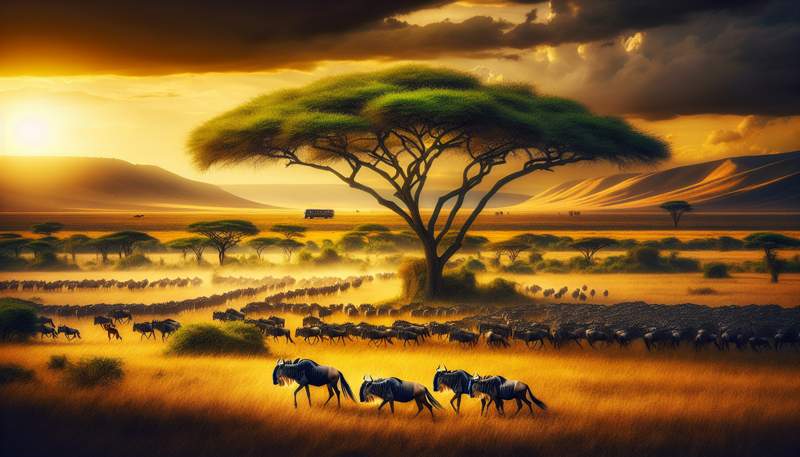
The dry season, typically from May to October, is considered prime safari time across most of East and Southern Africa. During these months, animals congregate around water sources, making wildlife spotting more predictable. The Great Migration in the Serengeti occurs year-round, but the dramatic river crossings happen between June and October.
For budget-conscious travelers, shoulder seasons (April-May and November) offer excellent value with fewer crowds and lower prices. However, some roads may become challenging during the rainy season, particularly in remote areas.
Choosing Your Safari Destination
Africa offers numerous world-class safari destinations, each with unique characteristics and wildlife experiences. Your choice depends on the animals you want to see, your budget, and the type of experience you're seeking.
Top Safari Destinations for First-Timers
Kenya and Tanzania remain the most popular choices for first-time safari-goers. The Maasai Mara and Serengeti offer classic African savanna experiences with abundant wildlife and the famous Great Migration. These destinations provide excellent infrastructure and diverse accommodation options.
South Africa offers malaria-free options in certain regions and excellent facilities, making it ideal for families or those concerned about health risks. Kruger National Park and surrounding private reserves offer world-class game viewing.
Botswana provides a more exclusive, low-impact safari experience with smaller crowds and pristine wilderness areas. The Okavango Delta offers unique water-based safari activities.
For detailed information about safari costs across different destinations, check our comprehensive guide on African safari pricing.
Types of Safari Experiences
Understanding different safari styles helps you choose the experience that best matches your preferences, physical abilities, and budget.
Game Drive Safaris
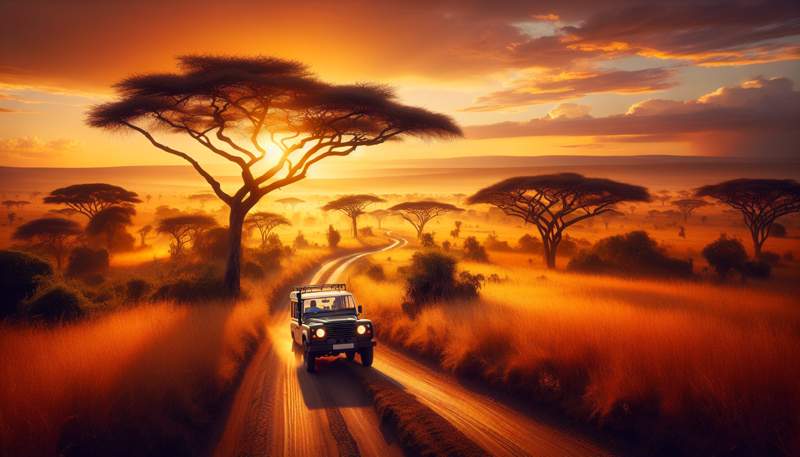
Traditional game drives in 4x4 vehicles remain the most popular safari format. These typically occur during early morning and late afternoon when animals are most active. You can choose between private vehicles for a personalized experience or shared vehicles for budget-friendly options.
Walking Safaris
Guided walking safaris offer intimate encounters with nature and opportunities to learn about tracking, plants, and smaller wildlife often overlooked during game drives. These require a reasonable fitness level and are typically combined with traditional game drives.
Fly-in Safaris
For those with limited time, fly-in safaris maximize wildlife viewing time by using small aircraft to travel between destinations. While more expensive, they're ideal for covering multiple locations efficiently.
You can explore various safari packages and compare options through reputable booking platforms like Safari.com, which offers expertly curated safari experiences across Africa.
Essential Safari Planning Steps
Budgeting for Your Safari
Safari costs vary dramatically based on destination, accommodation level, duration, and group size. Budget safaris can start around $200-300 per person per day, while luxury experiences can exceed $1,000+ daily. Consider these major expense categories:
- Accommodation (camping, lodge, or luxury tented camps)
- Park fees and conservancy charges
- Transportation (international flights, domestic transfers)
- Guide services and vehicle costs
- Meals and beverages
- Travel insurance and vaccinations
For a detailed breakdown of safari expenses, visit our comprehensive safari budgeting guide.
Booking Accommodations
Safari accommodations range from basic camping to ultra-luxury lodges. Book early for the best selection and rates, especially for 2026 travel. Many safari lodges offer all-inclusive packages covering meals, game drives, and airport transfers.
Consider using Expedia to compare safari lodge options and read verified guest reviews before making your decision.
Health and Safety Preparations
Proper health preparations are crucial for a safe and enjoyable safari experience. Start planning at least 6-8 weeks before departure.
Required Vaccinations and Medications
Consult a travel medicine specialist about required and recommended vaccinations, which may include:
- Yellow fever (required for entry to some countries)
- Malaria prophylaxis for certain regions
- Hepatitis A and B
- Typhoid
- Routine immunizations (measles, mumps, rubella, etc.)
Travel Insurance
Comprehensive travel insurance is essential for safari travel, covering medical emergencies, evacuation, trip cancellation, and gear protection. World Nomads offers specialized travel insurance for adventure activities including safari tours.
What to Pack for Your Safari
Packing appropriately ensures comfort and enhances your safari experience. Most safari operators provide packing lists, but here are essential items:
Clothing Essentials
- Neutral-colored clothing (khaki, olive, brown) to avoid disturbing wildlife
- Long-sleeved shirts and pants for sun and insect protection
- Warm layers for early morning and evening game drives
- Comfortable walking shoes and sandals
- Wide-brimmed hat and sunglasses
Photography and Equipment
Quality binoculars and camera equipment enhance wildlife viewing. Consider packing extra batteries, memory cards, and protective cases for dusty conditions. You can find excellent safari gear and equipment on Amazon, including binoculars, cameras, and travel accessories specifically designed for safari conditions.
Maximizing Your Wildlife Viewing Experience
Understanding animal behavior and habitat preferences significantly improves your chances of memorable wildlife encounters during your safari adventure.
Big Five and Beyond
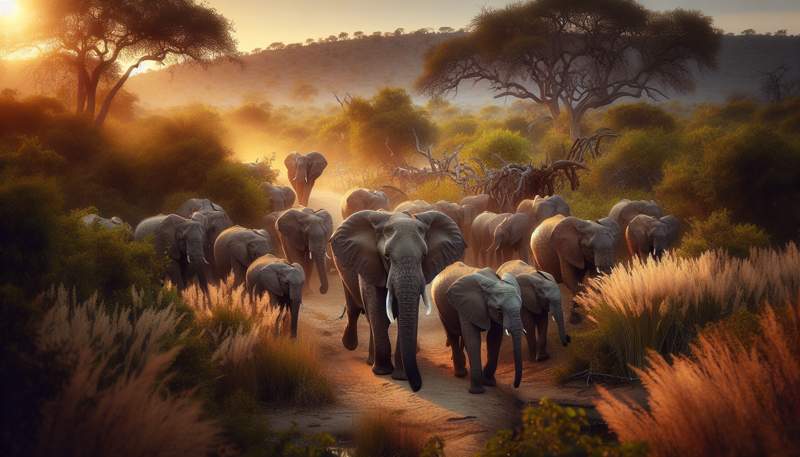
While many first-time safari-goers focus on the Big Five (lion, elephant, buffalo, rhino, leopard), Africa offers incredible diversity. Consider learning about African elephants, various antelope species, and unique birds to fully appreciate the ecosystem complexity.
Early morning and late afternoon game drives typically offer the best wildlife activity, as animals avoid the midday heat. Be patient and allow your guide's expertise to lead you to the best viewing opportunities.
Booking Your Safari Experience
When ready to book, compare different operators and packages carefully. Reputable booking platforms like GetYourGuide offer verified tours with customer reviews, while specialized safari companies provide expert local knowledge.
Consider factors beyond price, including guide qualifications, vehicle condition, group sizes, and included services. Reading recent reviews and asking detailed questions helps ensure you choose the right operator for your first safari experience.
Final Preparations for 2026
As your departure approaches, confirm all bookings, check passport validity (many African countries require 6+ months remaining), and review current entry requirements. Political situations and health regulations can change, so stay informed about your destination's current status.
Create digital and physical copies of important documents, including passports, visas, insurance policies, and itineraries. Share your travel plans with family or friends and register with your embassy if recommended.
Your first African safari in 2026 promises to be an extraordinary adventure that will deepen your appreciation for wildlife conservation and create lifelong memories. With proper planning, preparation, and realistic expectations, you'll be ready to experience one of the world's greatest natural spectacles. Remember that safari experiences are unpredictable by nature – embrace the unexpected moments and allow Africa's wilderness to surprise and inspire you throughout your journey.