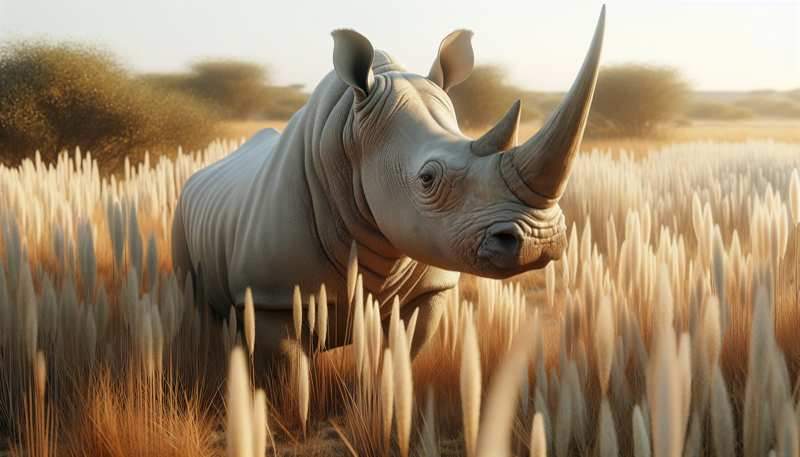
Save the Rhino International Donation
Donate · Programme donation · Africa and Asia
Programme donation Through Save the Rhino International
A one-off or regular donation route supporting rhino conservation partners, ranger and protection work, efforts against wildlife trafficking, habitat programmes, and community collaboration.
The contribution is associated with a defined conservation portfolio, but it may still be pooled across projects, places, and types of work.
Independent listing: WhereAnimalsLive does not collect or route this contribution, receive a referral fee, represent Save the Rhino International, certify its claims, or guarantee that this offer will remain available. The organisation's official website is the source of truth at checkout.
What This Page Can—and Cannot—Decide
This review can help you identify the official Save the Rhino International route, understand why we classify it as programme donation, see which species make the connection relevant, and arrive at the payment page with better questions. It can also expose a common mismatch: a supporter may expect money to follow one animal while the official terms allow it to support a wider portfolio.
It cannot decide whether Save the Rhino International Donation is the best use of your money, verify every field outcome, replace regulated financial or tax advice, or predict a future change in leadership, policy, delivery, or programme design. Conservation results are rarely attributable to one payment or organisation, and simple overhead ratios do not measure field quality on their own.
What the Official Material Says It Supports
The official donation page connects gifts to conservation projects and partners rather than promising care for one named rhino. The organisation publishes further information about grants, impact, and use of funds.
That description is a concise editorial summary of the official source reviewed on the date above. It is not a promise from WhereAnimalsLive and it should not replace the organisation's current programme page, financial information, policies, or payment terms.
What You May Receive
This is primarily a charitable contribution rather than a merchandise or named-animal package. Any acknowledgement, tax treatment, or supporter communication depends on the current option and donor location.
Certificates, biographies, updates, merchandise, event access, and tax receipts are secondary to conservation outcomes. Check stock, delivery territory, digital access, privacy, and any benefit value before choosing an option.
Important Programme Context
Rhino conservation covers multiple species, countries, partners, and strategies. A general donation should not be interpreted as a restricted payment to a particular reserve or individual unless the official checkout states that explicitly.
A conservation label does not automatically prove impact, and a compelling animal story does not show how every payment is allocated. Good due diligence looks at the organisation, the specific offer, the legal recipient, recent reporting, and the role of local communities as a connected system.
Animals Connected to This Programme
These links show verified editorial relevance, not a promise that a general contribution is restricted to every species listed. Open each guide for habitat, wild locations, responsible viewing, conservation status, and trip planning.
Verify Before You Contribute
- Review the current project portfolio and the organisation's financial reporting.
- Confirm whether your chosen gift is one-off, recurring, restricted, or unrestricted.
- Check tax eligibility and payment processing for your own country.
- Start from the official domain shown above rather than a social advertisement, copied payment link, or unsolicited message.
- Save the receipt and current terms if the contribution renews, includes delivery, or needs to be documented for tax purposes.
See the Wider Wildlife Context
A contribution does not offset poor wildlife-viewing behaviour. Use these guides to understand habitat, seasonality, operator questions, access, local rules, and the pressure tourism can place on the same species.
Experiences
Safari Game Drives →Choose an operator that stays on legal tracks, limits the number of vehicles at a sighting,…Walking Safaris →The guide controls distance, direction, pace, silence, and when the group stops or retreats.…Destinations
Kruger National Park →South Africa · best time May - September (dry season)Ngorongoro Crater →Tanzania · best time June - October (dry season, best game viewing)Etosha National Park →Namibia · best time May - October (dry season, wildlife concentrates at waterholes)Related Programme Reviews
Sheldrick Wildlife Trust Orphan Adoption
An adoption programme featuring rescued elephants and other orphans in the Trust's care, within a wider programme of veterinary response, rehabilitation, protected-area work, and eventual return to the wild where possible.
Review programme →