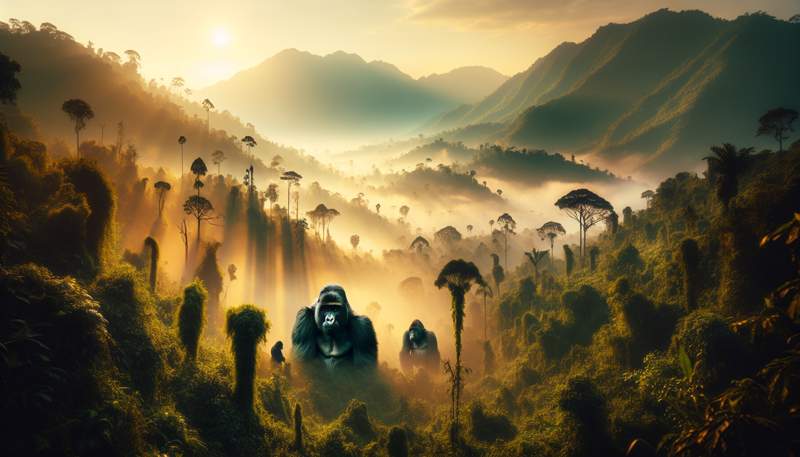
Gorilla Trekking
1 featured place · 1 relevant species · responsible operator checklist
Is Gorilla Trekking Right for You?
Gorilla trekking is a guided forest visit to a habituated gorilla group under a permit system. The walk may be short or may involve hours on steep, wet, uneven ground; the encounter itself is controlled by local rules. It is an unusually intimate wildlife experience, which makes disciplined distance, health precautions, and guide instructions essential. The permit is access to a managed conservation activity, not a promise of physical proximity or a particular photograph.
Timing the Trip
Drier periods may make trails more manageable but rain is possible in mountain forest throughout the year. Permit availability, trail conditions, lodge access, and the starting sector can matter more than a simple “best month.” Build a buffer into flight and road connections and confirm the current briefing time directly with the permit authority or operator.
What to Expect
- An early briefing and group allocation before trackers and guides lead the forest walk.
- Mud, roots, vegetation, rain, altitude, and a route that cannot be predicted in advance.
- A limited observation period in which guides manage position, movement, and photography.
- A quiet encounter focused on natural social behaviour rather than interaction with visitors.
How to Plan
Verify that the operator is arranging an official permit for the correct country, park, date, and trekking sector, and clarify what happens if illness or transport disruption prevents participation. Ask about elevation, expected trail difficulty, porter arrangements, clothing, gaiters, packed water and food, and whether your insurance covers the activity and remote evacuation. Do not travel solely from a headline permit price: transport, accommodation, park logistics, and rescheduling terms can materially change the total cost.
Build Your Wildlife TripResponsible Gorilla Trekking
Do not trek when ill; respiratory disease can pass between humans and gorillas. Follow current mask, distance, group-size, age, food, flash, and observation-time rules even if older trip reports describe something different. Never touch a gorilla, imitate calls, block a path, or move closer for a wide-angle photograph. If an animal approaches, stay calm and follow the guide rather than initiating contact.
Permit systems are intended to limit access and fund protection while creating local economic value, yet benefits depend on governance and how tourism is managed. Look for transparent community employment and revenue-sharing information. A reputable experience explains why rules exist, does not market touching or guaranteed closeness, and treats trackers, porters, and community partners as skilled contributors.
Understand Conservation ClaimsFeatured Gorilla Trekking Destinations
Use each destination guide to compare seasons, wildlife, access, travel logistics, and relevant tour listings. Inclusion means the place fits this activity type; it is not an endorsement of every local operator.
Animals You May Encounter
No species or behaviour is guaranteed. Open the animal guides for wild locations, habitat, seasonal context, safety, conservation status, and alternative places to look.
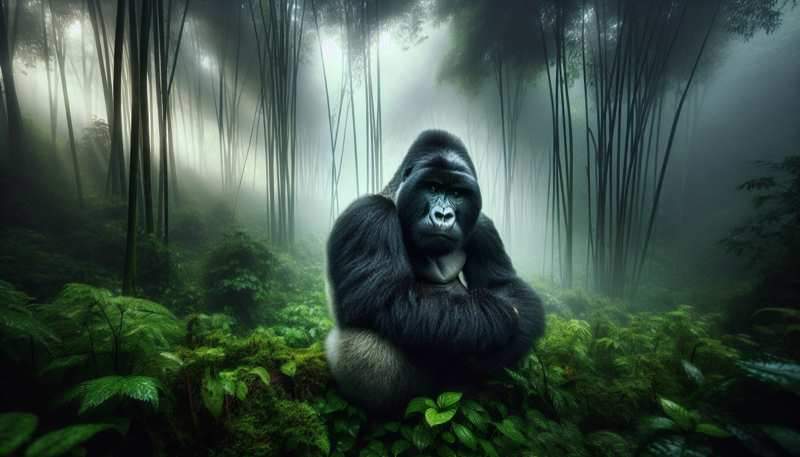
Gorilla Trekking Planning Guides
Compare destinations, itineraries, timing, costs, photography, and responsible choices in our related editorial guides.
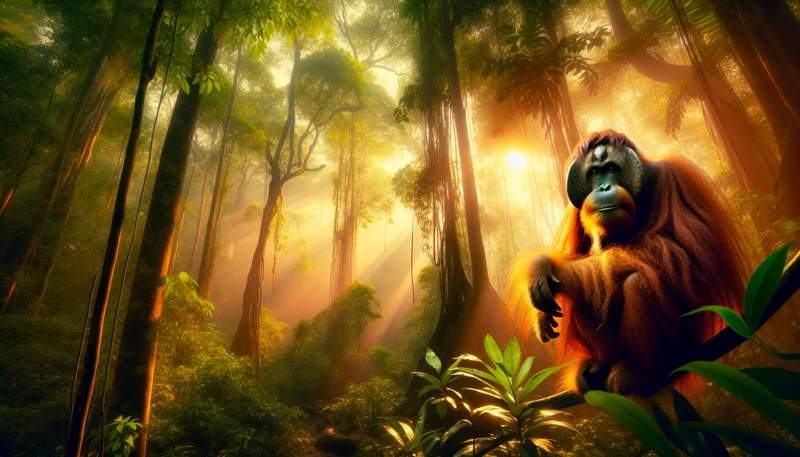
Borneo Orangutan Trekking: Responsible Travel Guide
Compare Borneo orangutan regions, forest access, wild and rehabilitation encounters, trip logistics, guide questions, and responsible viewing standards.
Read guide →How Fit Do You Need to Be for Gorilla Trekking?
Honest advice on the fitness level required for gorilla trekking. Terrain details, trek duration, training tips, and options for less mobile travelers.
Read guide →How to Get a Gorilla Trekking Permit in Uganda
Understand the Uganda gorilla permit process, booking routes, date and sector choices, availability, operator questions, and which details to verify officially.
Read guide →Threatened Species and Independent Support
1 species connected to this experience is listed in our guides as Vulnerable, Endangered, or Critically Endangered: Mountain Gorilla (Endangered).
Tourism can contribute through protected-area fees and local work, but it does not replace habitat protection or careful operator practice.
Explore Endangered AnimalsCompare Gorilla Trekking Tours
Listings are supplied by an external booking partner. Confirm the exact location, wildlife policy, operator, itinerary, permits, recent reviews, availability, total price, and cancellation terms before booking.

1 Day Rwanda Gorilla Trekking Tour In The Volcanoes National Park
12 hours
From Kigali: 1-Day Uganda Gorilla tracking experience
6 hours
3-Day Tour Package with Gorilla Trekking in Uganda
72 hours
Gorilla trekking
7h 9m
4-Day Uganda Gorilla Trekking and Wildlife Safari
96 hours
3-Day Gorillas trekking and Batwa Experience
72 hoursRelated Wildlife Experiences
Orangutan Trekking
Orangutan trips range from guided walks near rehabilitation landscapes to multi-day rainforest journeys and river-based wildlife expeditions. The…
Compare the experience →
Rainforest Wildlife Tours
Rainforest wildlife trips reward attention to sound, movement, tracks, fruit, and forest layers more than long-distance vistas. A guide may locate…
Compare the experience →
Wildlife Photography Tours
A wildlife photography tour should improve access, fieldcraft, and learning without turning animal welfare into a competition for the closest frame.…
Compare the experience →