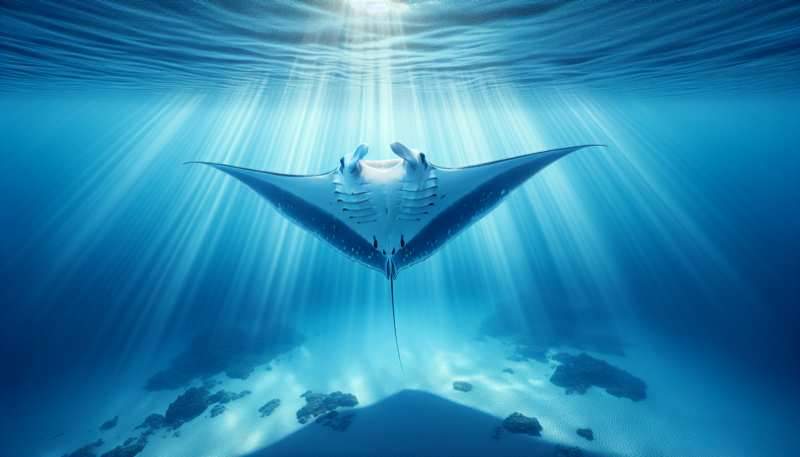
Manta Ray Snorkeling & Diving
3 featured places · 1 relevant species · responsible operator checklist
Is Manta Ray Snorkeling & Diving Right for You?
Manta encounters take several distinct forms: snorkelling beside a natural feeding aggregation, observing a cleaning station while scuba diving, holding a central surface position at a light-concentrated night feed, or meeting oceanic mantas on a remote liveaboard dive. The right trip depends on the site, species, water skill, management system, and animal behaviour—not on whichever operator advertises the closest photograph.
Timing the Trip
Identify why mantas use the site. Feeding aggregations may follow plankton, tide, monsoon, or upwelling; cleaning-station visits follow different patterns; Kona uses artificial light to concentrate naturally occurring plankton. Use the current protected-area window and operator evidence for that exact route, then allow for wind, current, visibility, port closure, and no sighting.
What to Expect
- A route-specific briefing that explains feeding or cleaning behaviour, water position, signals, group control, and when the encounter ends.
- Wild-animal uncertainty: a trip can operate safely without finding a manta, and conditions can prevent entry after the boat departs.
- A passive observation position rather than freestyle pursuit, repeated drop-ins, or a staged pass for cameras.
- A broader reef or pelagic experience whose value should not depend entirely on one species appearing.
How to Plan
Choose snorkelling and scuba as different products. Confirm the exact site and manta species, maximum swimmers or divers, guide ratio, water-entry method, required certification, minimum recent experience, flotation, lighting, boat control, medical screening, oxygen, communications, evacuation, no-sighting policy, and whether another reef activity replaces an unsafe or unsuccessful entry.
Build Your Wildlife TripResponsible Manta Ray Snorkeling & Diving
Remain passive and let the manta choose proximity. Approach only from the side when instructed, keep at least the research-backed three-metre baseline unless a stricter local rule applies, and never touch, chase, ride, feed, surround, entice, or block the animal. Stay off cleaning stations, do not dive directly in front of a ray, and leave when behaviour changes.
Well-managed manta tourism can support local employment, protected-area revenue, education, and photo-identification, while crowding, boat strikes, entanglement, reef contact, poor lighting, and repeated obstruction can degrade the same habitat and behaviour. Ask which fees reach management, who owns the operation, how sightings data are governed, and how staff enforce the code when guest expectations conflict with welfare.
Understand Conservation ClaimsFeatured Manta Ray Snorkeling & Diving Destinations
Use each destination guide to compare seasons, wildlife, access, travel logistics, and relevant tour listings. Inclusion means the place fits this activity type; it is not an endorsement of every local operator.
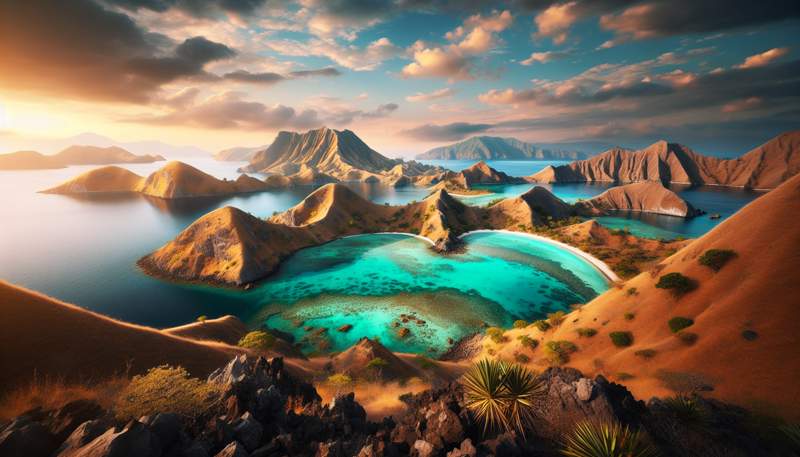
Komodo National Park
Komodo National Park encompasses several volcanic islands in eastern Indonesia and is the only place on Earth where Komodo dragons live in the wild. The…
Open destination guide →
Ningaloo Reef
The Ningaloo Coast World Heritage property combines a near-shore coral reef, open ocean, beaches, Cape Range, and an arid coastline in remote Western…
Open destination guide →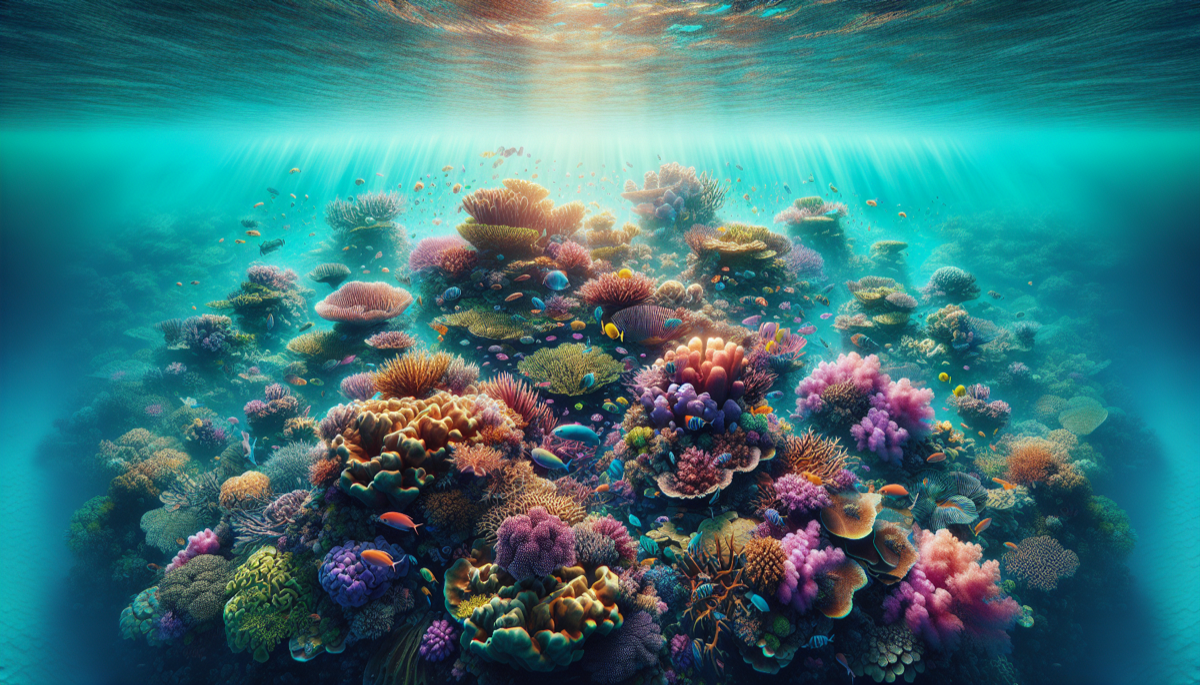
Great Barrier Reef
The Great Barrier Reef is a vast, multi-region marine park and World Heritage Area along Queensland, not one interchangeable Cairns excursion. A credible trip…
Open destination guide →Animals You May Encounter
No species or behaviour is guaranteed. Open the animal guides for wild locations, habitat, seasonal context, safety, conservation status, and alternative places to look.
Manta Ray Snorkeling & Diving Planning Guides
Compare destinations, itineraries, timing, costs, photography, and responsible choices in our related editorial guides.

Best Wildlife Destinations in Europe
Compare Andújar, Abruzzo, Białowieża, the Danube Delta, Isle of May, the Azores, and Svalbard by wildlife, access, safety, season, and trip fit.
Read guide →
Best Wildlife Destinations in North America
Compare Yellowstone, Denali, Churchill, the Everglades, Monterey Bay, Baja, and Corcovado by wildlife, access, season, safety, and trip fit.
Read guide →
Best Wildlife Destinations in Australia
Compare Kangaroo Island, Ningaloo, the Great Barrier Reef, Daintree, Kakadu, and Maria Island by wildlife, access, season, safety, and trip fit.
Read guide →Threatened Species and Independent Support
1 species connected to this experience is listed in our guides as Vulnerable, Endangered, or Critically Endangered: Manta Ray (Species range: Vulnerable to Endangered).
Tourism can contribute through protected-area fees and local work, but it does not replace habitat protection or careful operator practice.
Explore Endangered AnimalsCompare Manta Ray Snorkeling & Diving Tours
Listings are supplied by an external booking partner. Confirm the exact location, wildlife policy, operator, itinerary, permits, recent reviews, availability, total price, and cancellation terms before booking.

KONA Manta Ray Night Snorkel - FREE re-ride if no Sightings
1h 20m
Big Island Manta Ray Night Snorkel
2h 30m
Manta Ray Night Snorkel at Kona, Big Island
1h 30m
Big Island: Manta Ray Night Snorkeling Adventure in Kailua-Kona
2h 30m
Snorkeling Manta Ray Safari in Nusa Penida
2h 30m
Explore 4 iconic snorkeling spots of Manta Bay in Nusa Penida
2h 30mRelated Wildlife Experiences
Whale Shark Snorkeling
A whale shark swim is usually a boat-based snorkelling encounter in a place where seasonal feeding or movement makes sightings possible. The animal…
Compare the experience →
Wildlife Photography Tours
A wildlife photography tour should improve access, fieldcraft, and learning without turning animal welfare into a competition for the closest frame.…
Compare the experience →
River and Boat Safaris
River and wetland safaris reveal wildlife that roads cannot reach. Trips range from quiet canoe or mokoro outings to motorboat searches for…
Compare the experience →