Wildlife in North America
18 animals · 4 destination guides · practical ways to visit and help
How to Plan a Wildlife Trip in North America
North America combines accessible national parks with remote Arctic and marine expeditions. Visitors can look for bears, wolves, bison, and elk in large protected landscapes, or plan seasonal trips for polar bears, whales, sea turtles, and coastal wildlife.
Popular parks require early accommodation and vehicle planning, while northern trips often have limited departures. Allow multiple viewing days: weather and animal movement are never guaranteed, even in famous hotspots.
Featured Wildlife Destinations in North America
Use these destination guides to compare species, seasonal timing, logistics, tours, and places to stay.
Churchill, Manitoba
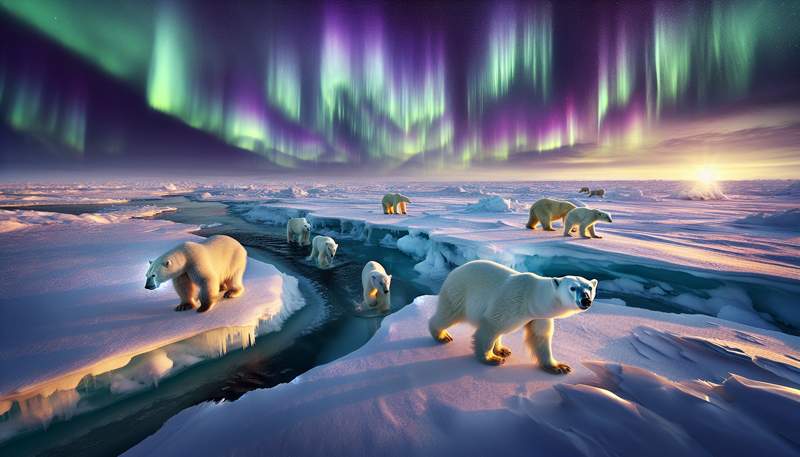
Churchill is a remote Hudson Bay community reached by train or air, with no road connection to the wider Manitoba network. Autumn polar-bear viewing, ...
Plan a visit →Yellowstone National Park
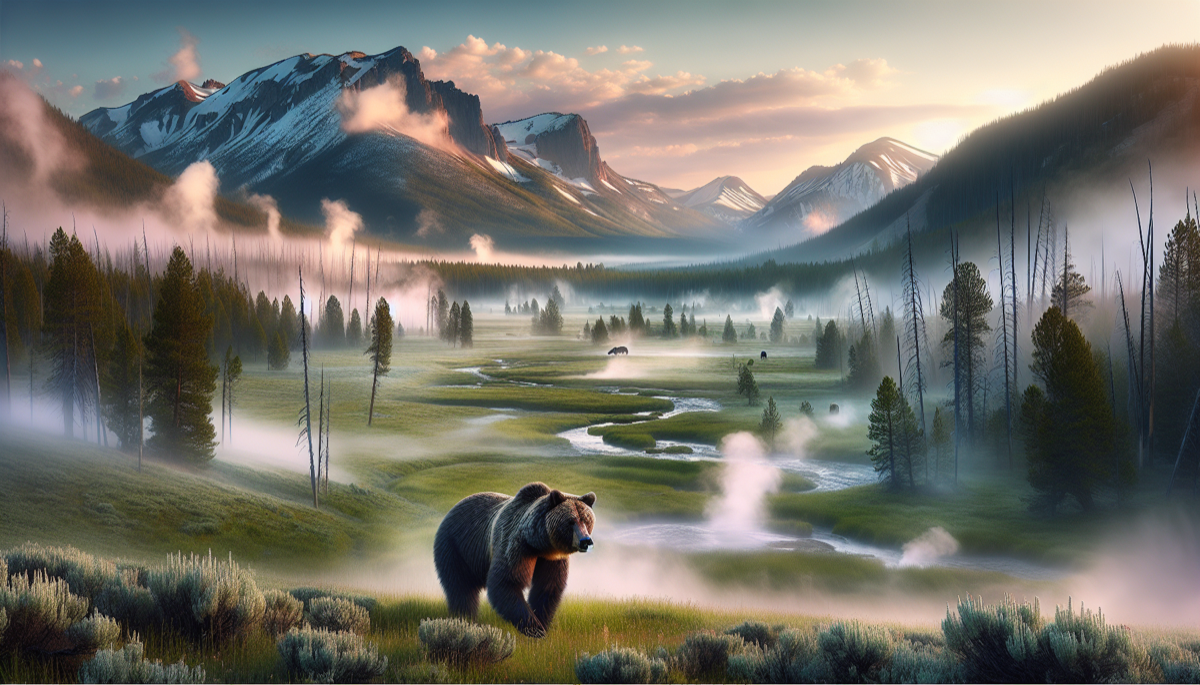
Yellowstone National Park is America's first and most famous national park, established in 1872 across 8,983 km2 of volcanic plateau in Wyoming, Monta...
Plan a visit →
Costa Rica
Costa Rica is one of the most biodiverse countries on Earth, with over 500,000 species packed into a land area smaller than West Virginia. This Centra...
Plan a visit →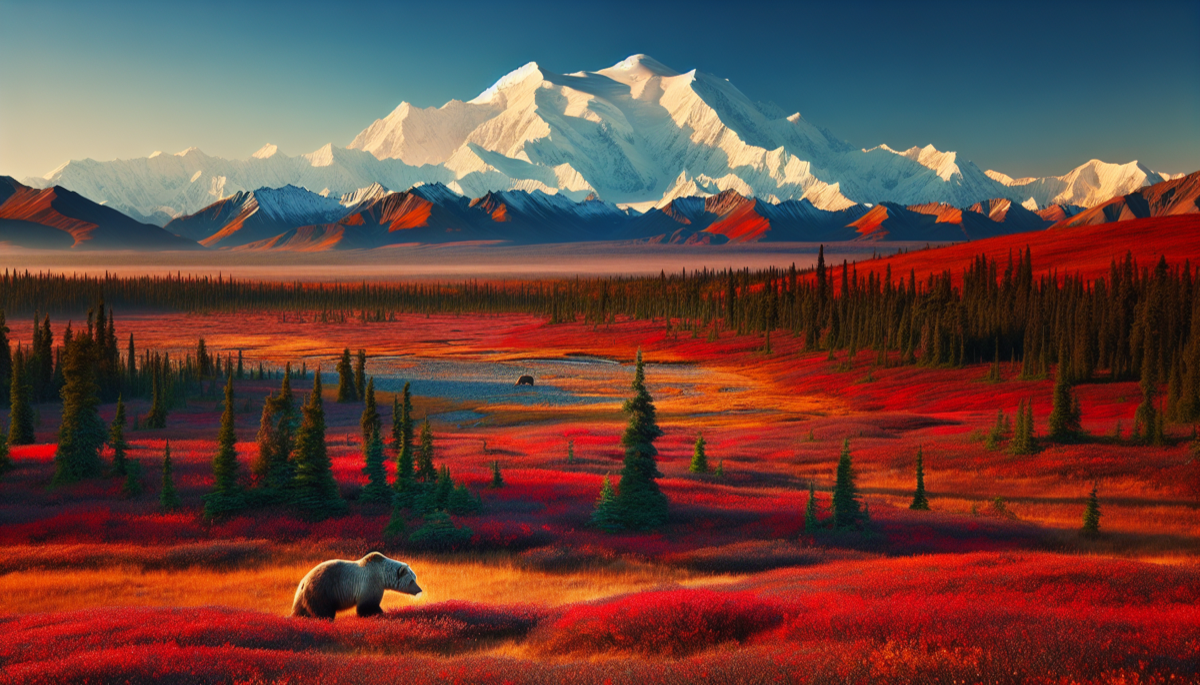
Denali National Park
Denali National Park and Preserve in central Alaska encompasses 24,585 km2 of subarctic wilderness dominated by North America's tallest peak, Denali (...
Plan a visit →Wildlife Experiences in North America
Compare access, pace, operator questions, responsible-viewing rules, and suitable destinations for each activity.
Whale Watching
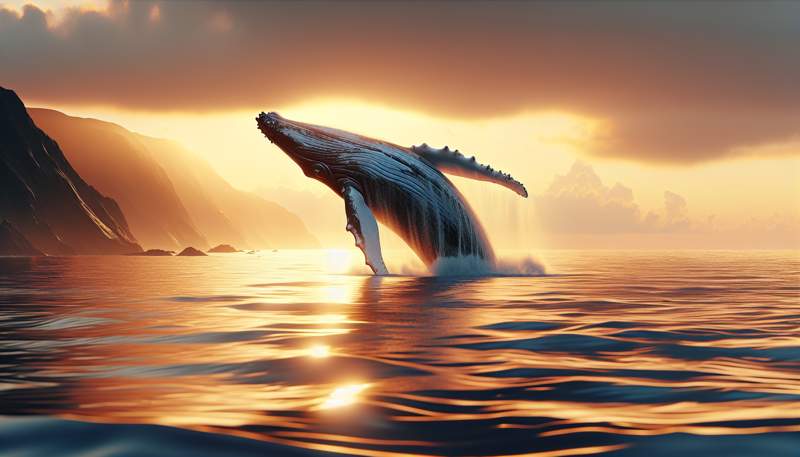
Whale watching can mean a short coastal boat trip, a shore-based migration watch, or several days at sea in a remote region. Success depends on…
Read the experience guide →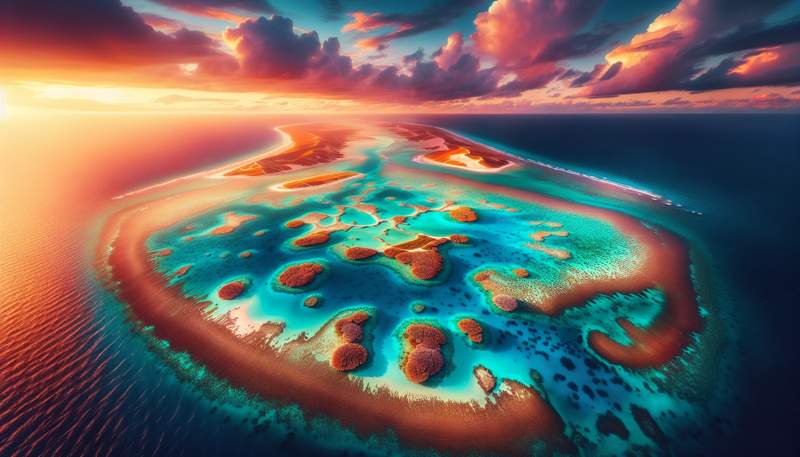
Whale Shark Snorkeling
A whale shark swim is usually a boat-based snorkelling encounter in a place where seasonal feeding or movement makes sightings possible. The…
Read the experience guide →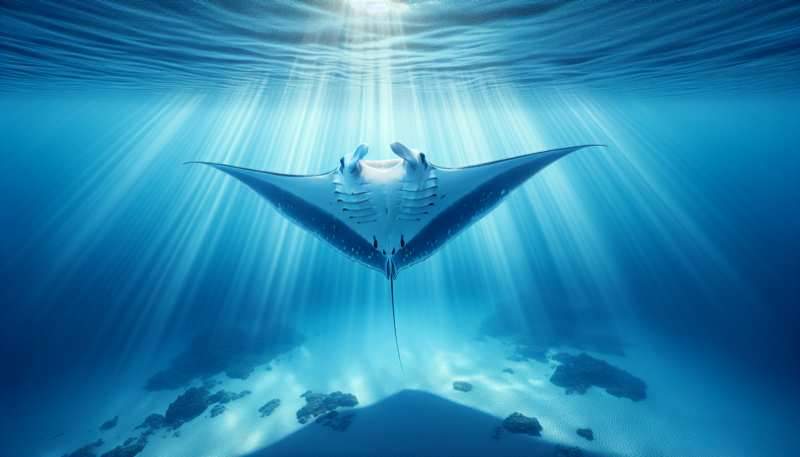
Manta Ray Snorkeling & Diving
Manta encounters take several distinct forms: snorkelling beside a natural feeding aggregation, observing a cleaning station while scuba diving,…
Read the experience guide →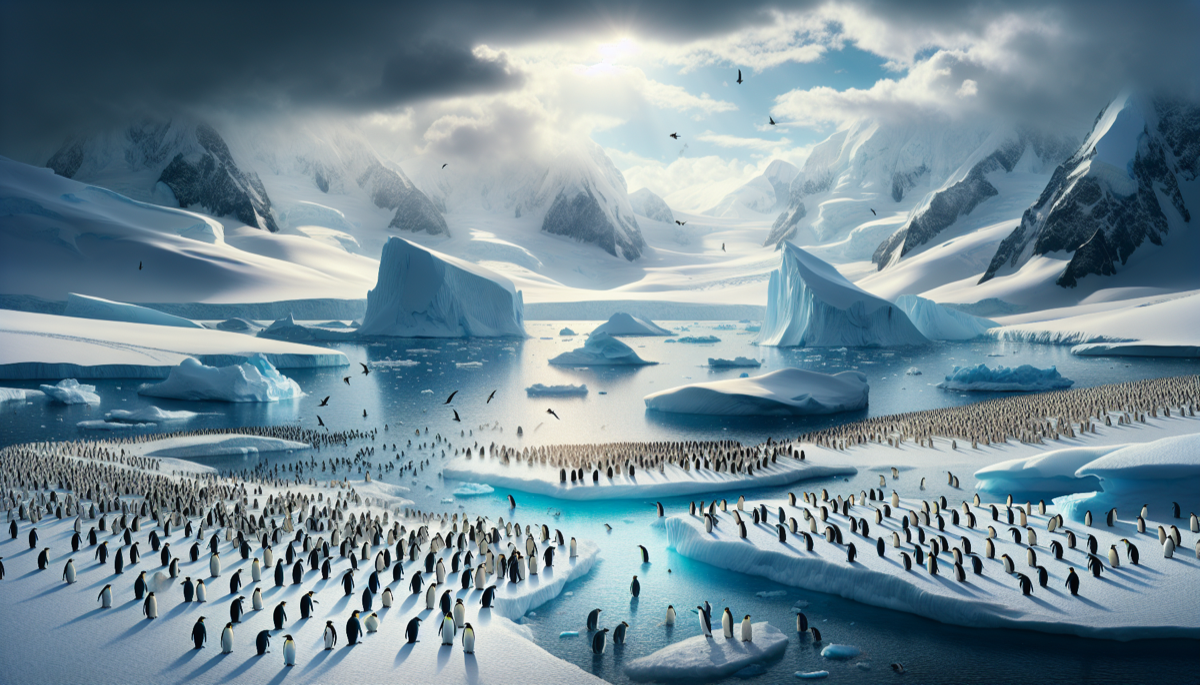
Polar Wildlife Expeditions
Polar wildlife travel covers two different ends of the planet. Arctic trips may search for polar bears, walruses, whales, and tundra wildlife…
Read the experience guide →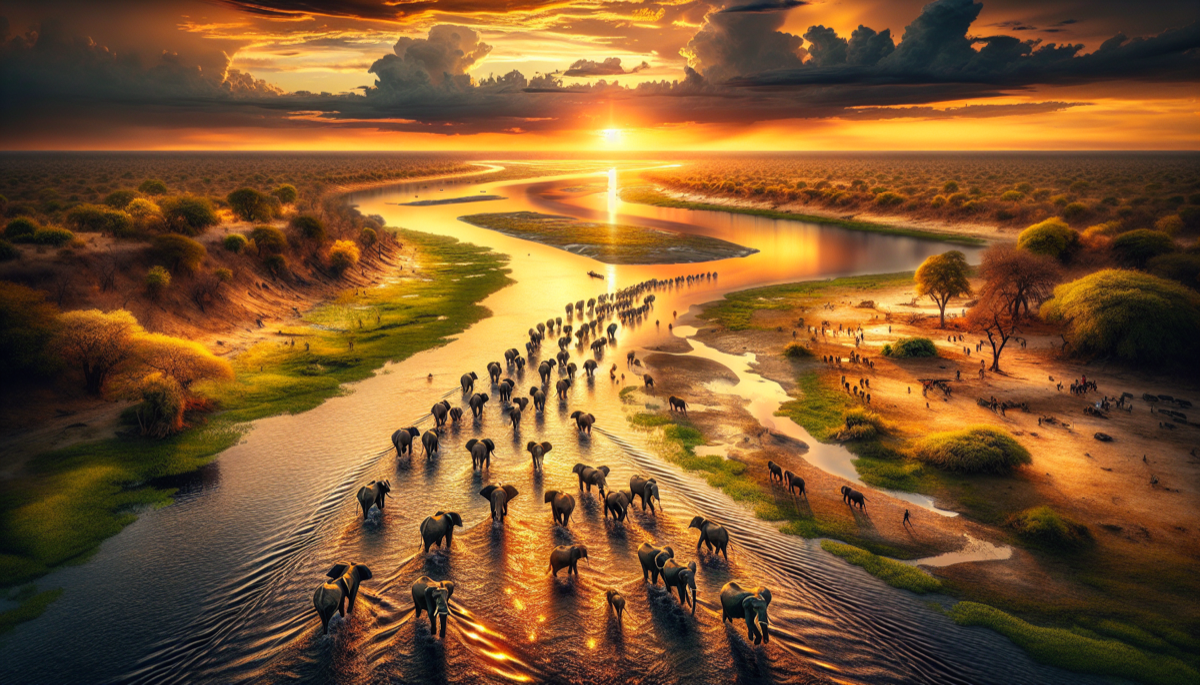
River and Boat Safaris
River and wetland safaris reveal wildlife that roads cannot reach. Trips range from quiet canoe or mokoro outings to motorboat searches for…
Read the experience guide →Rainforest Wildlife Tours
Rainforest wildlife trips reward attention to sound, movement, tracks, fruit, and forest layers more than long-distance vistas. A guide may…
Read the experience guide →Plan Wildlife Trips in North America
Move from a broad regional idea to country-level habitats, species, destinations, and responsible-viewing guidance.
Ecosystems in This Region
Species can use several habitats. These routes explain viewing conditions and conservation pressures across ecosystems.
Animals That Live in North America
Open any guide for habitat, best places and seasons, wild and zoo locations, photography advice, tours, safety, and conservation status.
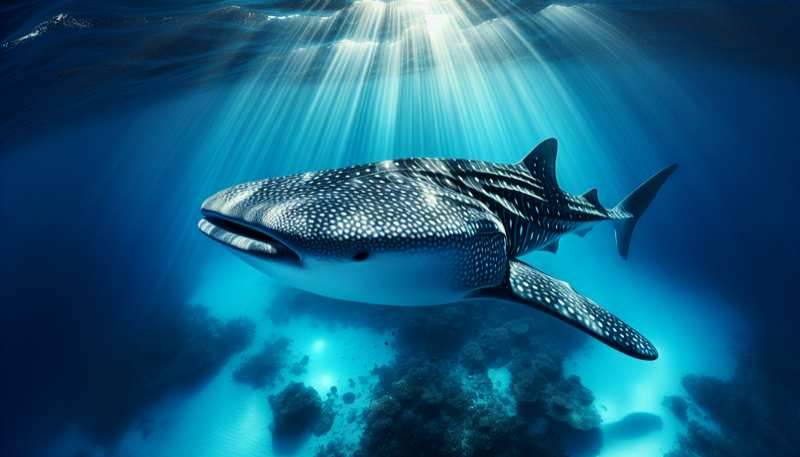
Whale Shark
ENRhincodon typus
Tropical and warm temperate oceans
Where to see whale sharks →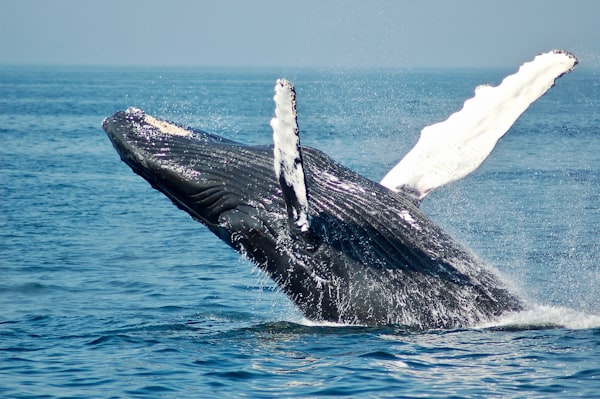
Humpback Whale
LCMegaptera novaeangliae
Open oceans, coastal waters
Where to see humpback whales →
Orca (Killer Whale)
LCOrcinus orca
All oceans, from Arctic to Antarctic
Where to see orca (killer whale)s →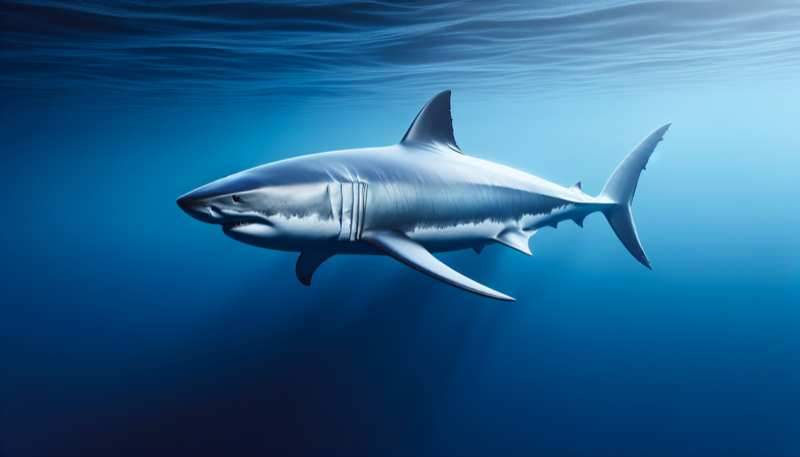
Great White Shark
VUCarcharodon carcharias
Temperate and subtropical coastal waters
Where to see great white sharks →Manta Ray
ENMobula alfredi and Mobula birostris
Productive tropical, subtropical, and warm-temperate seas, including reef cleaning stations, coastal feeding areas, island slopes, and open ocean
Where to see manta rays →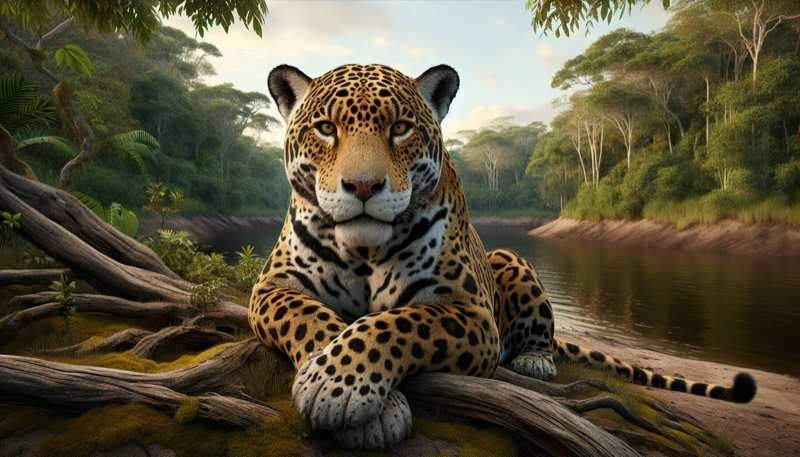
Jaguar
NTPanthera onca
Tropical rainforest, wetlands, grassland
Where to see jaguars →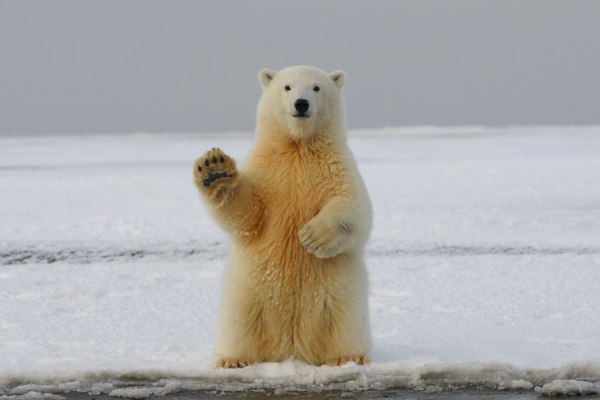
Polar Bear
VUUrsus maritimus
Arctic sea ice, coastal tundra
Where to see polar bears →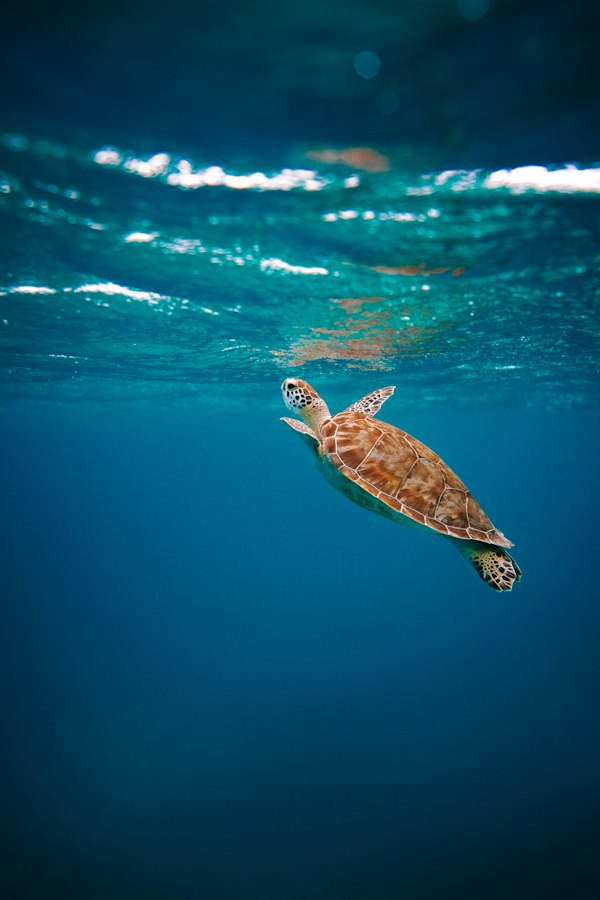
Green Sea Turtle
ENChelonia mydas
Tropical and subtropical oceans, coral reefs, seagrass beds
Where to see green sea turtles →
Bottlenose Dolphin
LCTursiops truncatus
Temperate and tropical oceans, coastal waters, estuaries
Where to see bottlenose dolphins →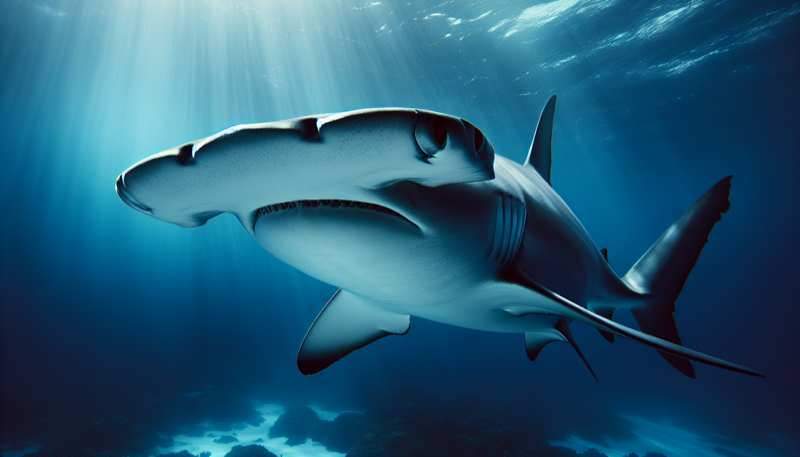
Hammerhead Shark
CRSphyrna mokarran
Tropical and warm temperate coastal waters, open ocean
Where to see hammerhead sharks →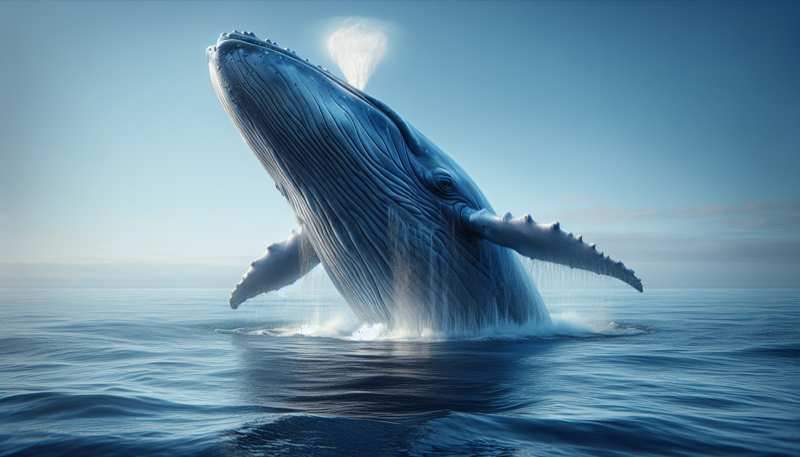
Blue Whale
ENBalaenoptera musculus
Open oceans worldwide, from polar to tropical waters
Where to see blue whales →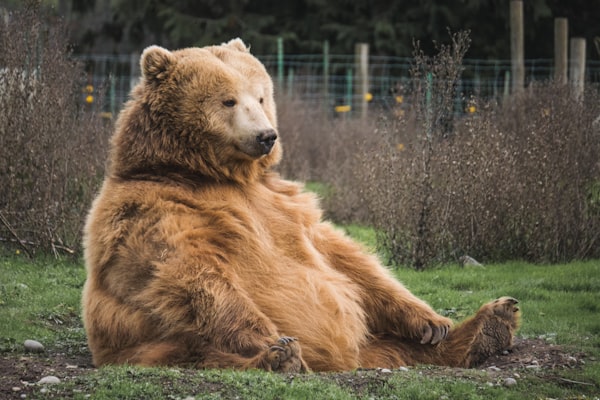
Grizzly Bear
LCUrsus arctos horribilis
Forests, alpine meadows, river valleys, coastal areas
Where to see grizzly bears →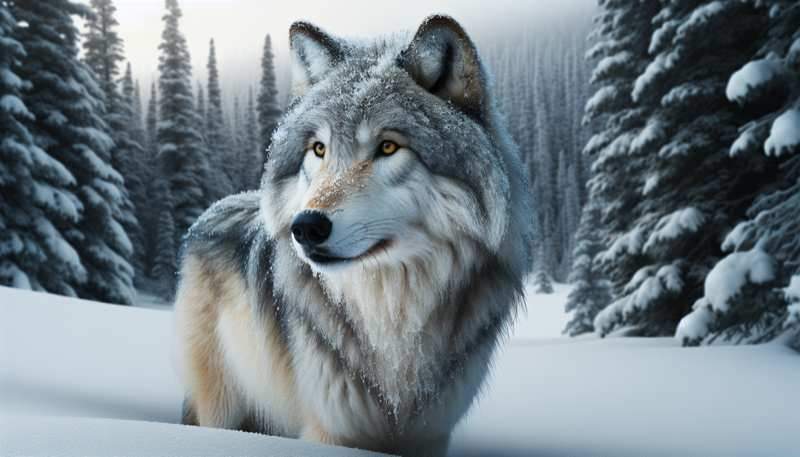
Gray Wolf
LCCanis lupus
Tundra, boreal and temperate forest, grassland, steppe, mountain, and some human-dominated landscapes where prey and tolerance permit
Where to see gray wolfs →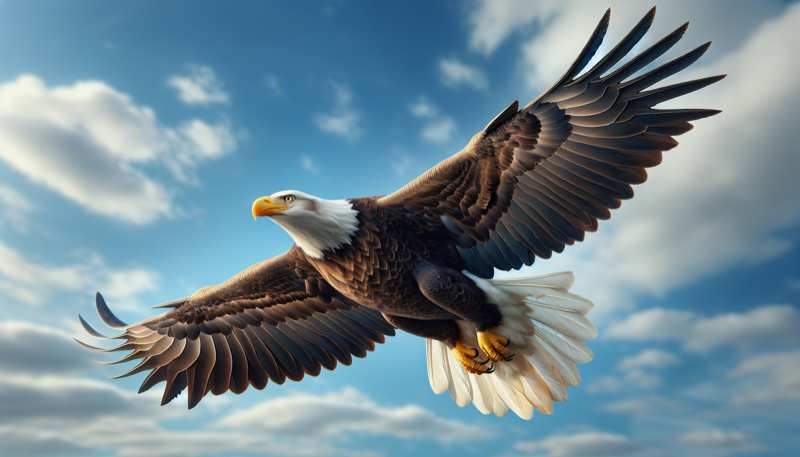
Bald Eagle
LCHaliaeetus leucocephalus
Near large bodies of open water, coastal areas, rivers, lakes
Where to see bald eagles →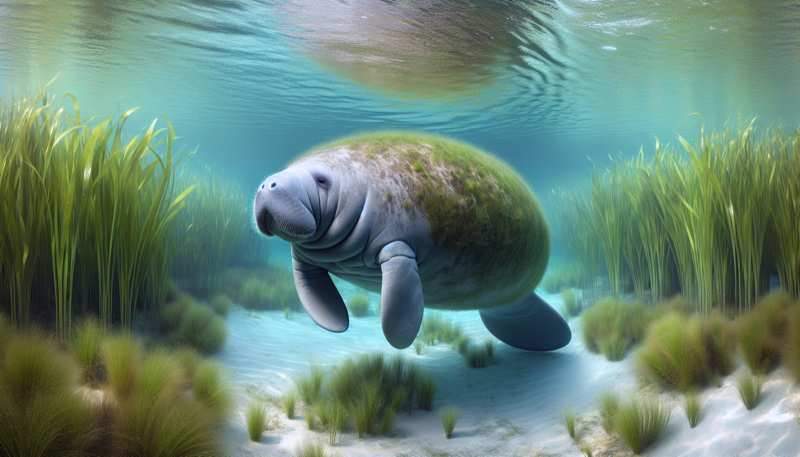
Manatee
VUTrichechus manatus
Warm coastal waters, rivers, estuaries, springs
Where to see manatees →
Two-toed Sloth
LCCholoepus hoffmanni
Tropical rainforest, cloud forest canopy
Where to see two-toed sloths →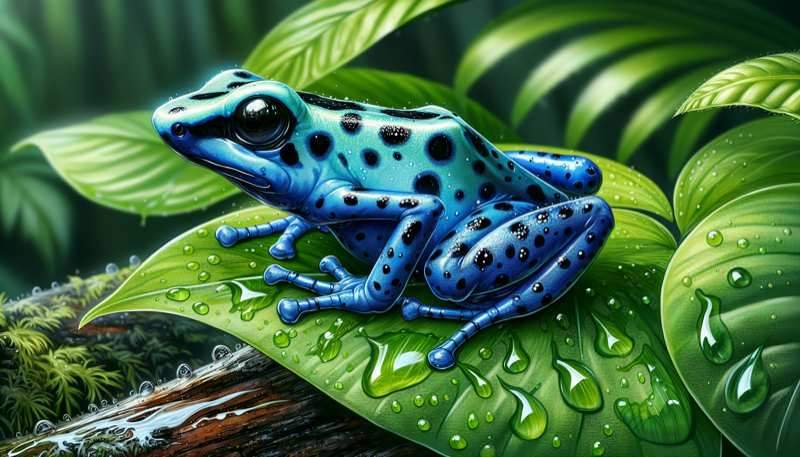
Poison Dart Frog
LCDendrobates spp.
Tropical rainforest floor, leaf litter, bromeliads
Where to see poison dart frogs →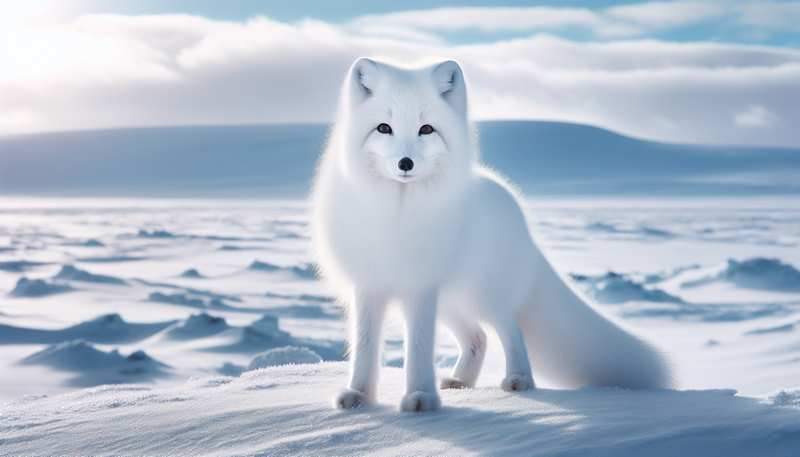
Arctic Fox
LCVulpes lagopus
Arctic tundra, coastal areas, pack ice
Where to see arctic foxs →8 Threatened Species in This Guide
Whale Shark (Endangered), Great White Shark (Vulnerable), Manta Ray (Species range: Vulnerable to Endangered), Polar Bear (Globally Vulnerable; Canadian status varies by jurisdiction), Green Sea Turtle (Endangered), and more.