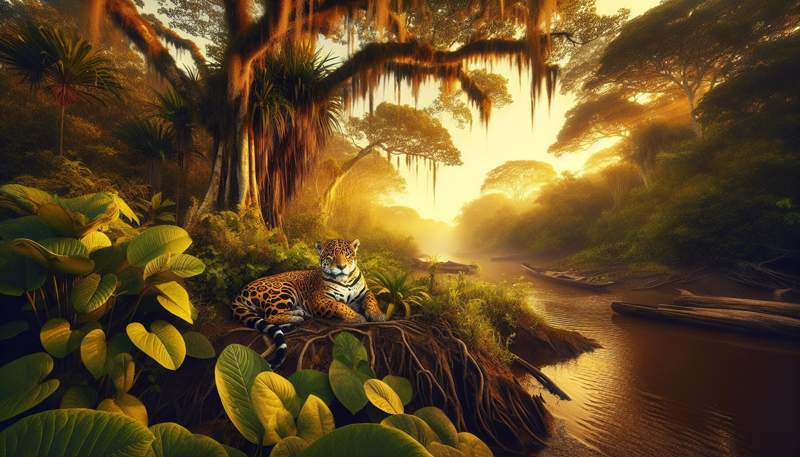
Wildlife in South America
15 animals · 4 destination guides · practical ways to visit and help
How to Plan a Wildlife Trip in South America
South America connects wetlands, rainforest, Pacific islands, Andean and Patagonian landscapes, and Atlantic marine breeding areas. A northern Pantanal jaguar boat route, a Tambopata rainforest stay, a regulated Galápagos itinerary, and a Península Valdés marine trip are different journeys with different gateways, skills, seasons, rules, and sighting uncertainty.
Choose the ecosystem and field method before the country list. Verify the named protected area, gateway, operator authority, current wildlife calendar, health and entry context, transport buffers, and no-sighting terms; long internal connections make a rushed continent-wide checklist a poor plan.
Featured Wildlife Destinations in South America
Use these destination guides to compare species, seasonal timing, logistics, tours, and places to stay.
Pantanal
The Pantanal is one of the world's largest freshwater wetland systems, spanning a complex seasonal landscape in Brazil, Bolivia, and Paraguay. Most in...
Plan a visit →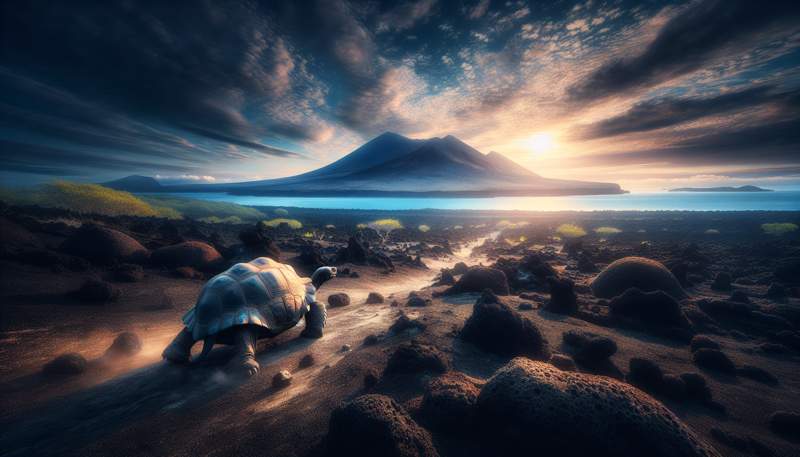
Galapagos Islands
The Galápagos Islands are a tightly managed Ecuadorian national park and marine reserve where island isolation, ocean currents, and volcanic processes...
Plan a visit →
Amazon Rainforest
The Amazon is a vast multi-country biome, not one destination reached interchangeably from Manaus or Iquitos. A useful wildlife trip starts with a nam...
Plan a visit →
Torres del Paine National Park
Torres del Paine National Park in Chilean Patagonia is widely regarded as one of the most spectacular natural landscapes on Earth. The park's iconic g...
Plan a visit →Wildlife Experiences in South America
Compare access, pace, operator questions, responsible-viewing rules, and suitable destinations for each activity.
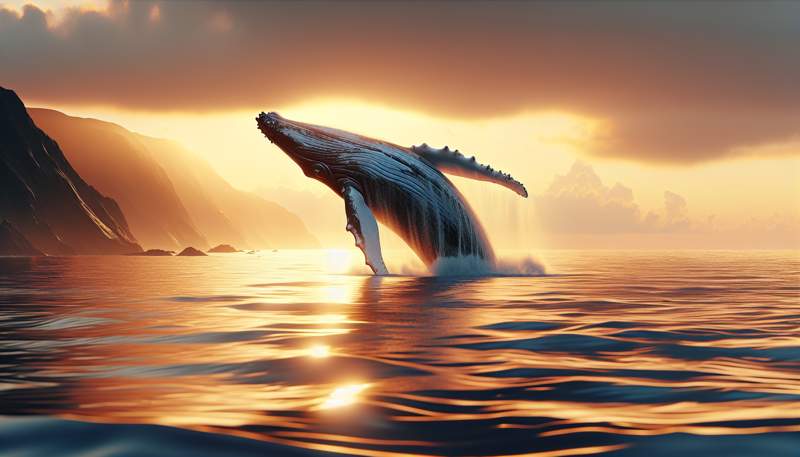
Whale Watching
Whale watching can mean a short coastal boat trip, a shore-based migration watch, or several days at sea in a remote region. Success depends on…
Read the experience guide →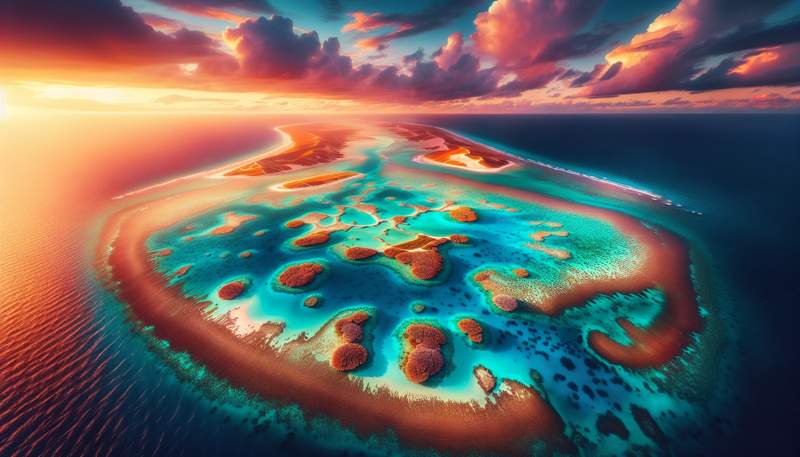
Whale Shark Snorkeling
A whale shark swim is usually a boat-based snorkelling encounter in a place where seasonal feeding or movement makes sightings possible. The…
Read the experience guide →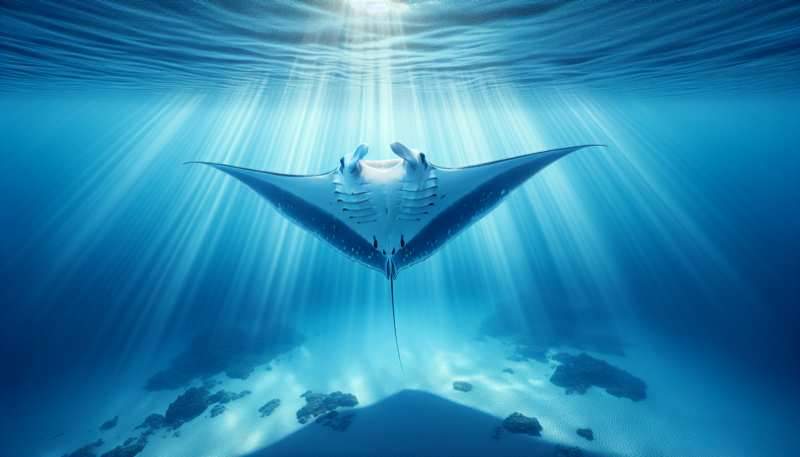
Manta Ray Snorkeling & Diving
Manta encounters take several distinct forms: snorkelling beside a natural feeding aggregation, observing a cleaning station while scuba diving,…
Read the experience guide →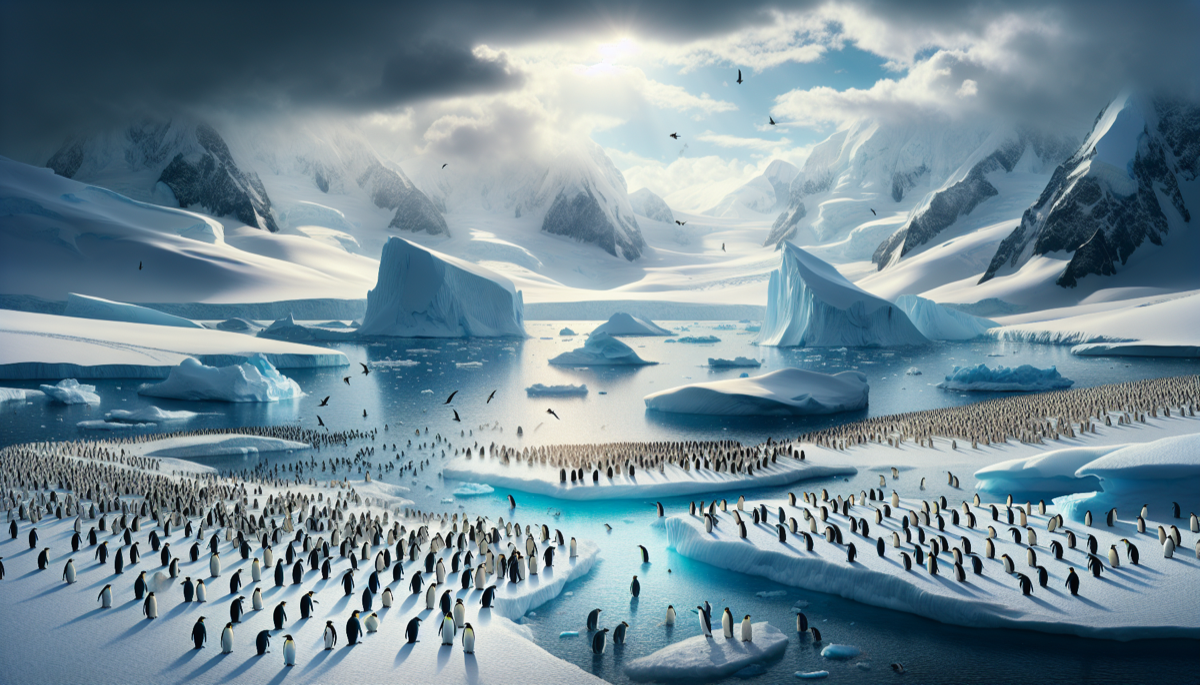
Polar Wildlife Expeditions
Polar wildlife travel covers two different ends of the planet. Arctic trips may search for polar bears, walruses, whales, and tundra wildlife…
Read the experience guide →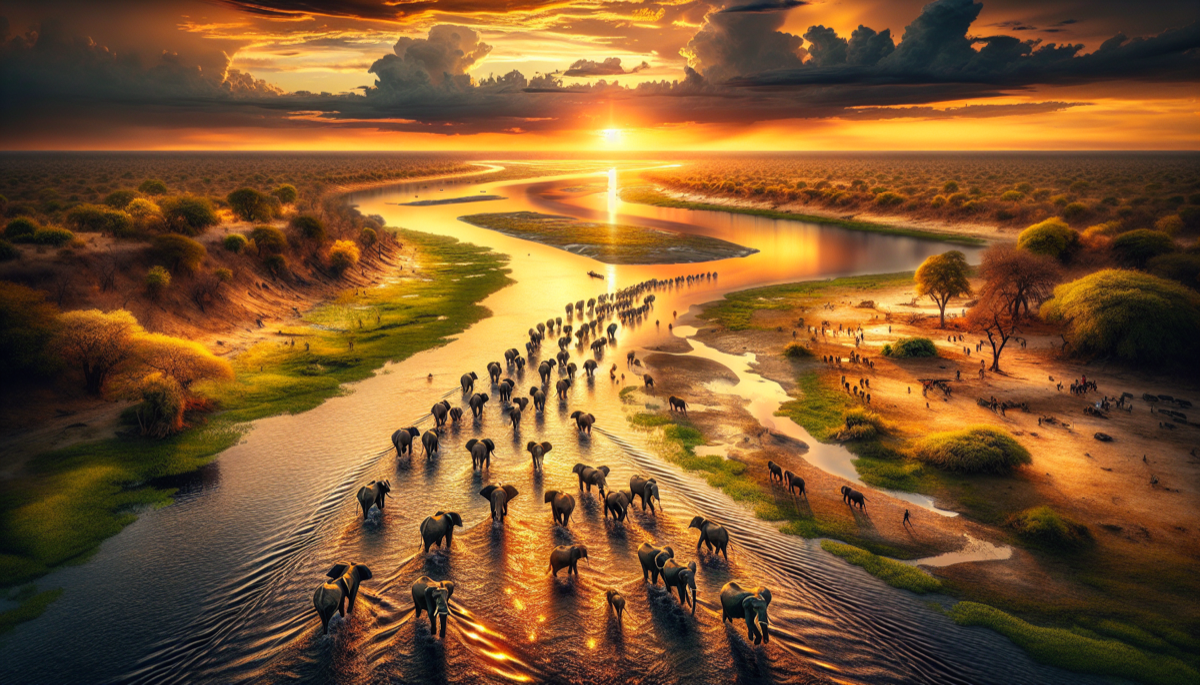
River and Boat Safaris
River and wetland safaris reveal wildlife that roads cannot reach. Trips range from quiet canoe or mokoro outings to motorboat searches for…
Read the experience guide →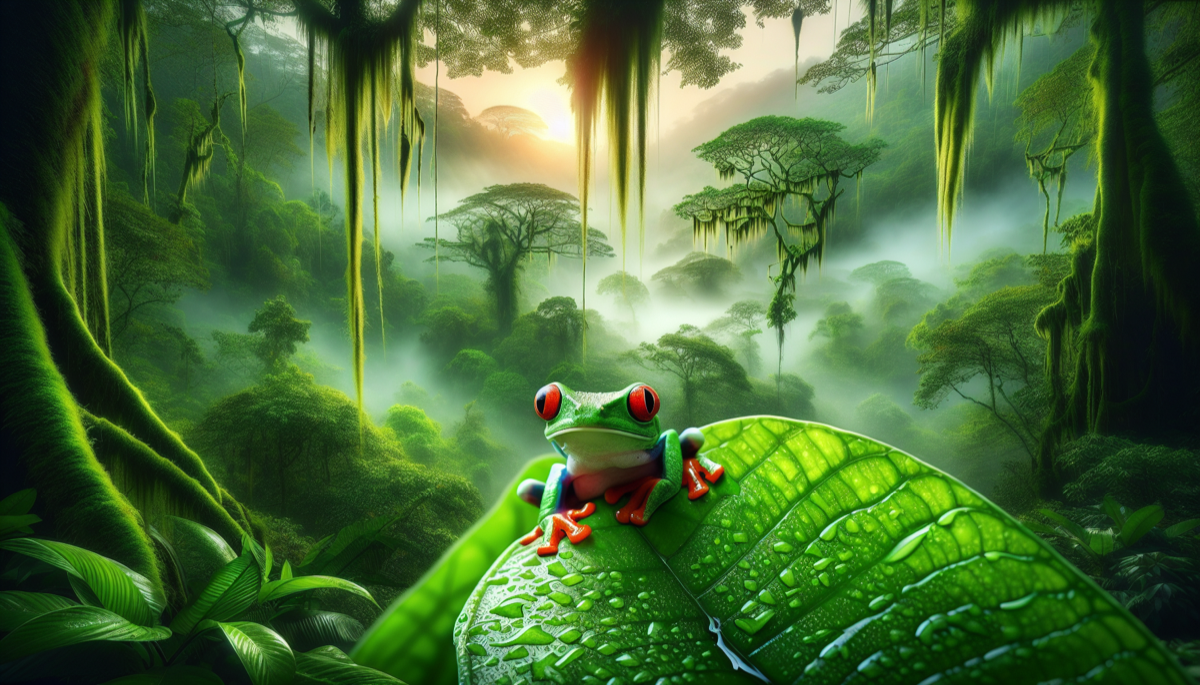
Rainforest Wildlife Tours
Rainforest wildlife trips reward attention to sound, movement, tracks, fruit, and forest layers more than long-distance vistas. A guide may…
Read the experience guide →Plan Wildlife Trips in South America
Move from a broad regional idea to country-level habitats, species, destinations, and responsible-viewing guidance.
Ecosystems in This Region
Species can use several habitats. These routes explain viewing conditions and conservation pressures across ecosystems.
Animals That Live in South America
Open any guide for habitat, best places and seasons, wild and zoo locations, photography advice, tours, safety, and conservation status.
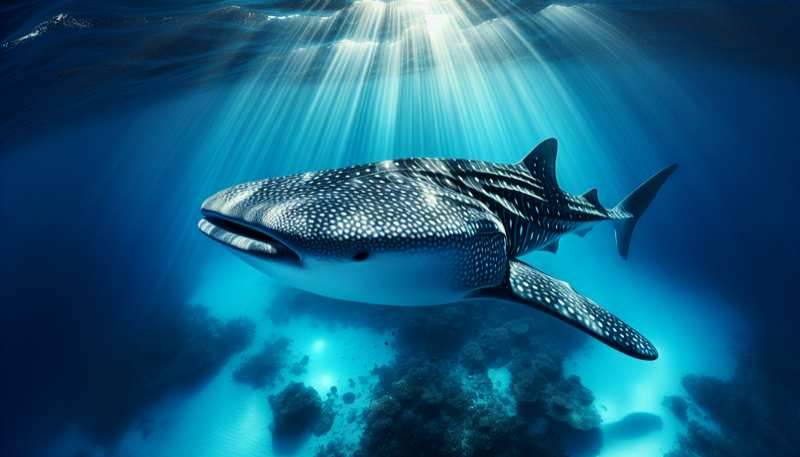
Whale Shark
ENRhincodon typus
Tropical and warm temperate oceans
Where to see whale sharks →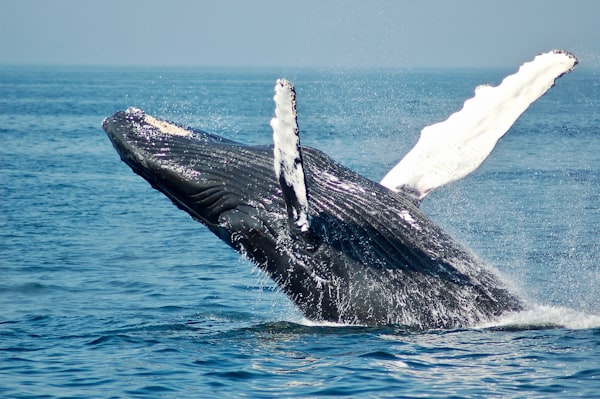
Humpback Whale
LCMegaptera novaeangliae
Open oceans, coastal waters
Where to see humpback whales →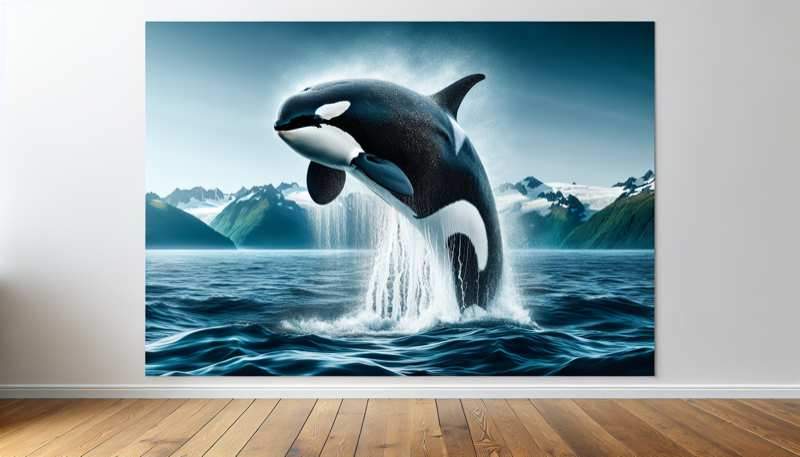
Orca (Killer Whale)
LCOrcinus orca
All oceans, from Arctic to Antarctic
Where to see orca (killer whale)s →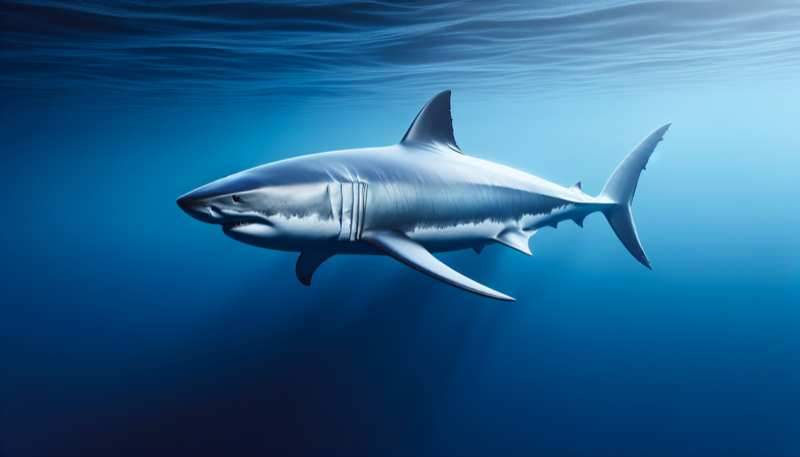
Great White Shark
VUCarcharodon carcharias
Temperate and subtropical coastal waters
Where to see great white sharks →Manta Ray
ENMobula alfredi and Mobula birostris
Productive tropical, subtropical, and warm-temperate seas, including reef cleaning stations, coastal feeding areas, island slopes, and open ocean
Where to see manta rays →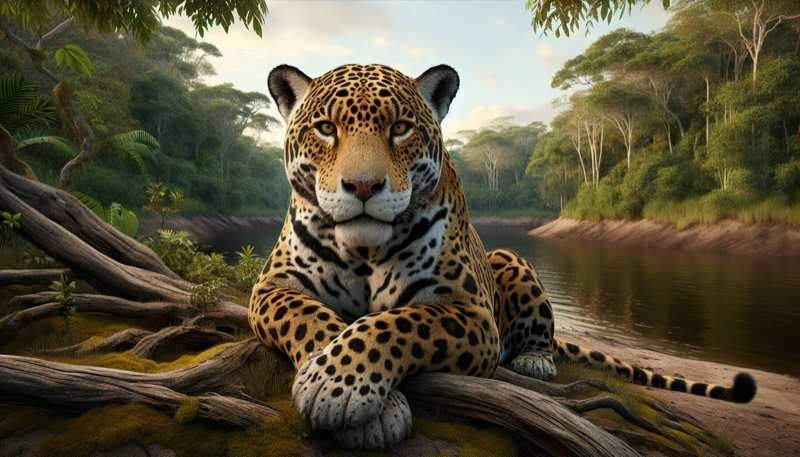
Jaguar
NTPanthera onca
Tropical rainforest, wetlands, grassland
Where to see jaguars →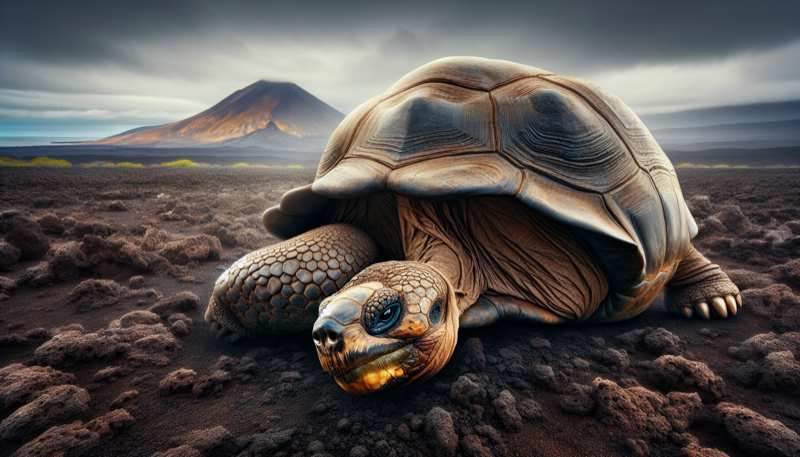
Galapagos Giant Tortoise
VUChelonoidis nigra
Volcanic islands, grassland, scrubland
Where to see galapagos giant tortoises →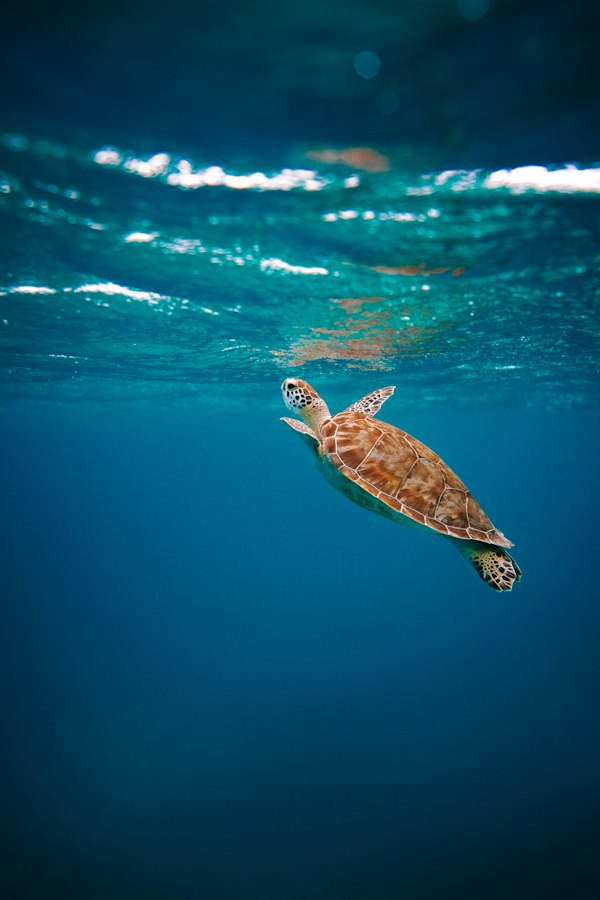
Green Sea Turtle
ENChelonia mydas
Tropical and subtropical oceans, coral reefs, seagrass beds
Where to see green sea turtles →
Bottlenose Dolphin
LCTursiops truncatus
Temperate and tropical oceans, coastal waters, estuaries
Where to see bottlenose dolphins →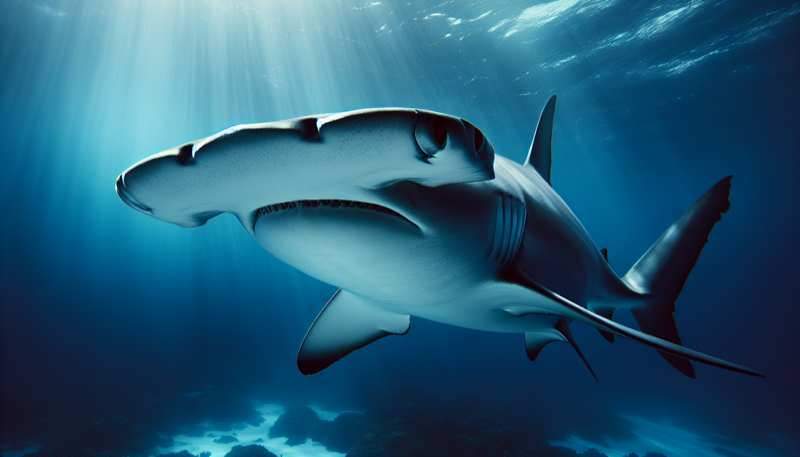
Hammerhead Shark
CRSphyrna mokarran
Tropical and warm temperate coastal waters, open ocean
Where to see hammerhead sharks →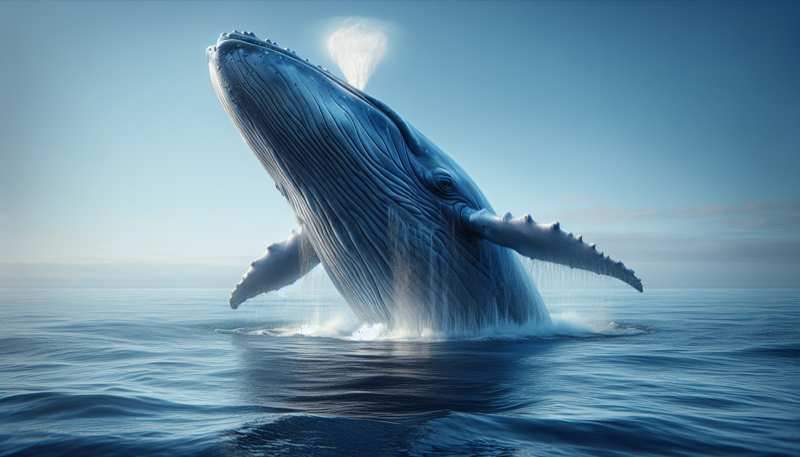
Blue Whale
ENBalaenoptera musculus
Open oceans worldwide, from polar to tropical waters
Where to see blue whales →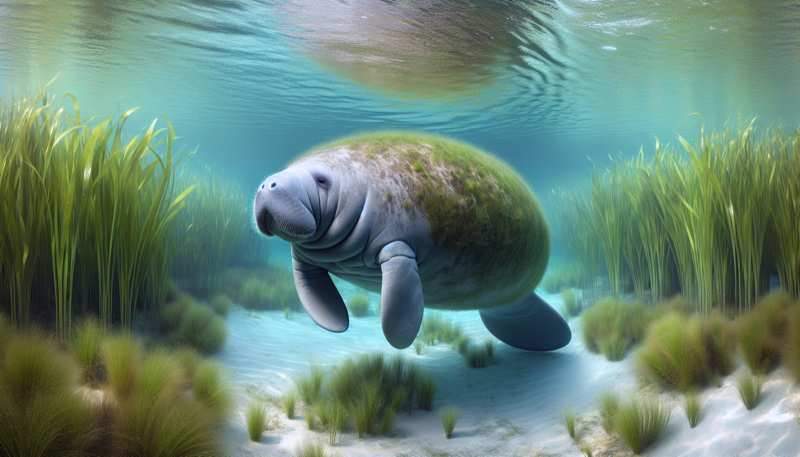
Manatee
VUTrichechus manatus
Warm coastal waters, rivers, estuaries, springs
Where to see manatees →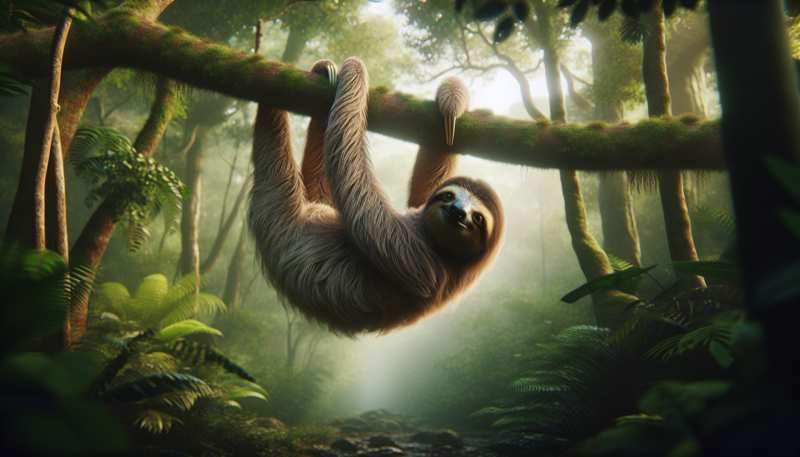
Two-toed Sloth
LCCholoepus hoffmanni
Tropical rainforest, cloud forest canopy
Where to see two-toed sloths →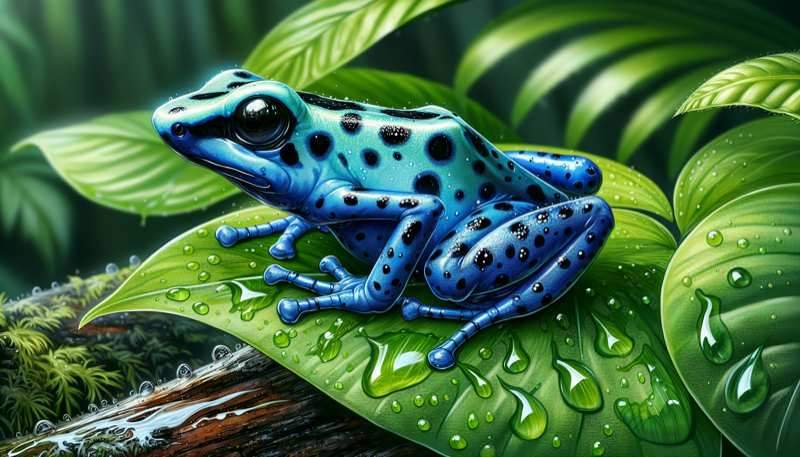
Poison Dart Frog
LCDendrobates spp.
Tropical rainforest floor, leaf litter, bromeliads
Where to see poison dart frogs →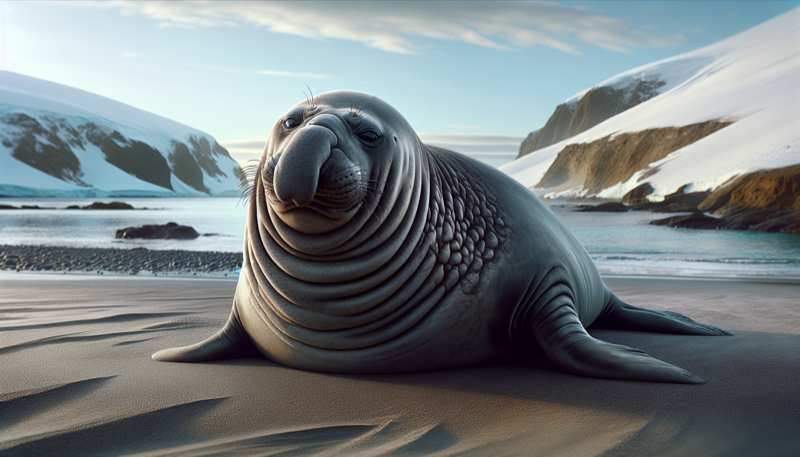
Southern Elephant Seal
LCMirounga leonina
Sub-Antarctic islands, Southern Ocean beaches
Where to see southern elephant seals →8 Threatened Species in This Guide
Whale Shark (Endangered), Great White Shark (Vulnerable), Manta Ray (Species range: Vulnerable to Endangered), Galapagos Giant Tortoise (Vulnerable), Green Sea Turtle (Endangered), and more.