
Wildlife in Asia
23 animals · 7 destination guides · practical ways to visit and help
How to Plan a Wildlife Trip in Asia
Asia spans tropical rainforest, high mountain, desert, mangrove, and island ecosystems. Wildlife journeys range from searching for tigers in Indian reserves and orangutans in Borneo to tracking snow leopards in the Himalaya and visiting the only wild Komodo dragons.
Monsoon timing, altitude, park closures, and permit systems shape Asian wildlife travel. Build the itinerary around one priority species and a realistic viewing window, then add cultural stops without shortening the time needed in the field.
Featured Wildlife Destinations in Asia
Use these destination guides to compare species, seasonal timing, logistics, tours, and places to stay.
Borneo
Borneo is a large island divided among Malaysia, Indonesia, and Brunei, not one destination with a shared visa, currency, airport, wildlife route, or ...
Plan a visit →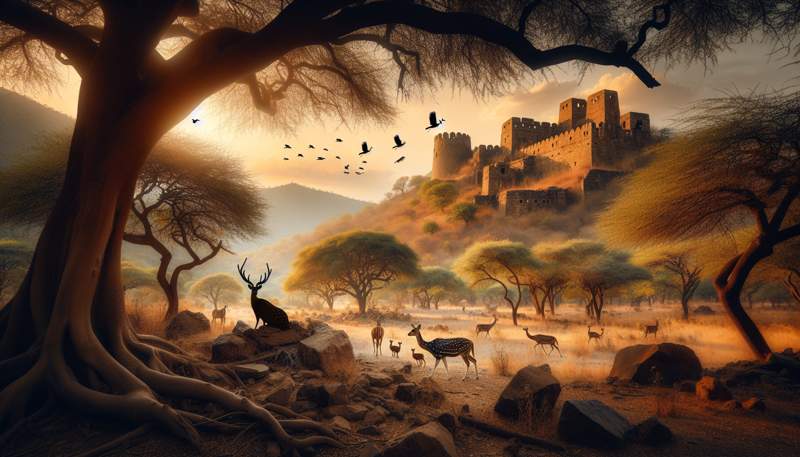
Ranthambore National Park
Ranthambore is India's most famous tiger reserve, where Bengal tigers roam among the ruins of a 10th-century fort. The park's relatively open terrain ...
Plan a visit →
Komodo National Park
Komodo National Park encompasses several volcanic islands in eastern Indonesia and is the only place on Earth where Komodo dragons live in the wild. T...
Plan a visit →
Sri Lanka
Sri Lanka is a compact island nation in the Indian Ocean that punches far above its weight as a wildlife destination. Despite its small size, the isla...
Plan a visit →
Sumatra
Sumatra is Indonesia's largest island and one of the last places on Earth where orangutans, tigers, rhinoceros, and elephants still share the same for...
Plan a visit →
Yala National Park
Yala National Park is Sri Lanka's most visited and second-largest national park, covering 979 km2 of dry monsoon forest, scrubland, and coastal lagoon...
Plan a visit →
Ladakh
Ladakh is a high-altitude Union Territory in northern India and an important snow-leopard landscape. Its wildlife authority lists Hemis High Altitude ...
Plan a visit →Wildlife Experiences in Asia
Compare access, pace, operator questions, responsible-viewing rules, and suitable destinations for each activity.
Safari Game Drives
A game drive uses a vehicle to explore protected landscapes with a guide or, where rules allow, as a self-drive visitor. It is the most…
Read the experience guide →Orangutan Trekking
Orangutan trips range from guided walks near rehabilitation landscapes to multi-day rainforest journeys and river-based wildlife expeditions.…
Read the experience guide →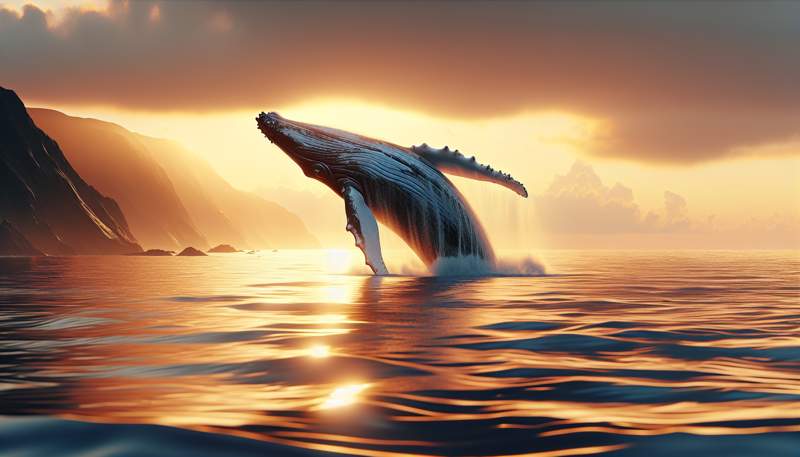
Whale Watching
Whale watching can mean a short coastal boat trip, a shore-based migration watch, or several days at sea in a remote region. Success depends on…
Read the experience guide →
Whale Shark Snorkeling
A whale shark swim is usually a boat-based snorkelling encounter in a place where seasonal feeding or movement makes sightings possible. The…
Read the experience guide →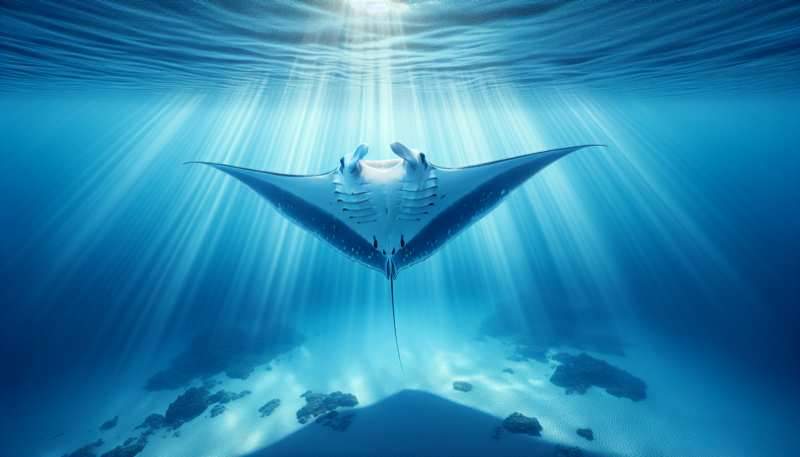
Manta Ray Snorkeling & Diving
Manta encounters take several distinct forms: snorkelling beside a natural feeding aggregation, observing a cleaning station while scuba diving,…
Read the experience guide →
Polar Wildlife Expeditions
Polar wildlife travel covers two different ends of the planet. Arctic trips may search for polar bears, walruses, whales, and tundra wildlife…
Read the experience guide →Plan Wildlife Trips in Asia
Move from a broad regional idea to country-level habitats, species, destinations, and responsible-viewing guidance.
Ecosystems in This Region
Species can use several habitats. These routes explain viewing conditions and conservation pressures across ecosystems.
Animals That Live in Asia
Open any guide for habitat, best places and seasons, wild and zoo locations, photography advice, tours, safety, and conservation status.
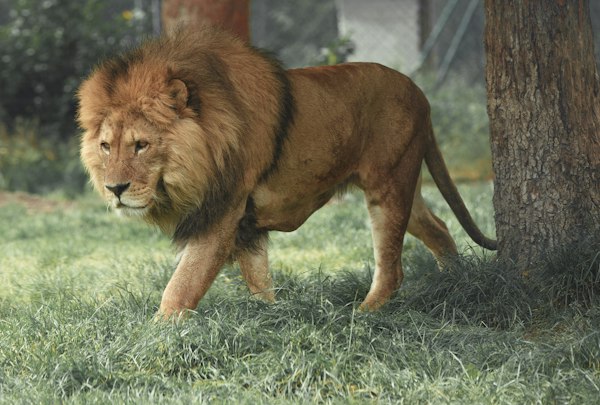
Lion
VUPanthera leo
Savanna, grassland, open woodland
Where to see lions →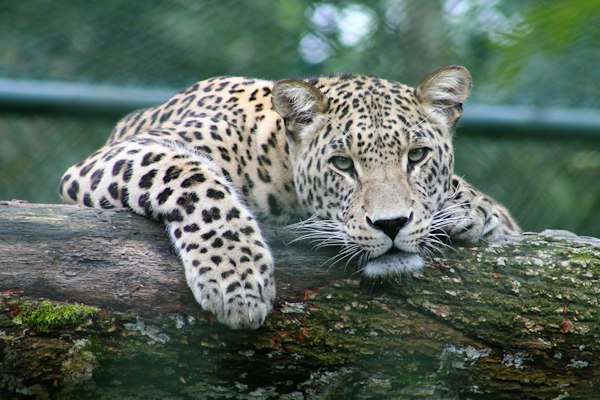
Leopard
VUPanthera pardus
Savanna, rainforest, mountain, desert
Where to see leopards →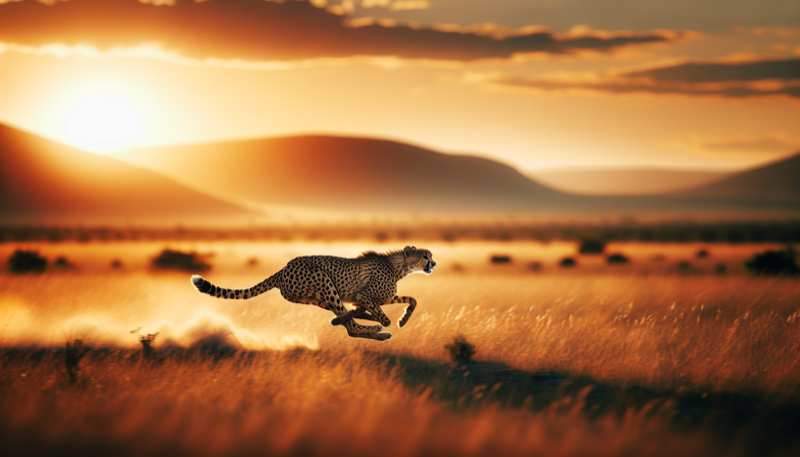
Cheetah
VUAcinonyx jubatus
Open savanna, grassland
Where to see cheetahs →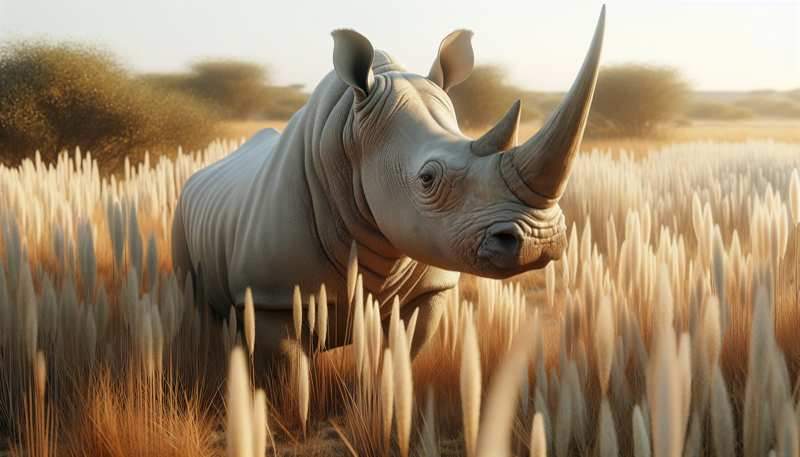
Rhinoceros
CRRhinocerotidae — five living species
Savanna, shrubland, floodplain grassland, wetland, and tropical forest
Where to see rhinoceross →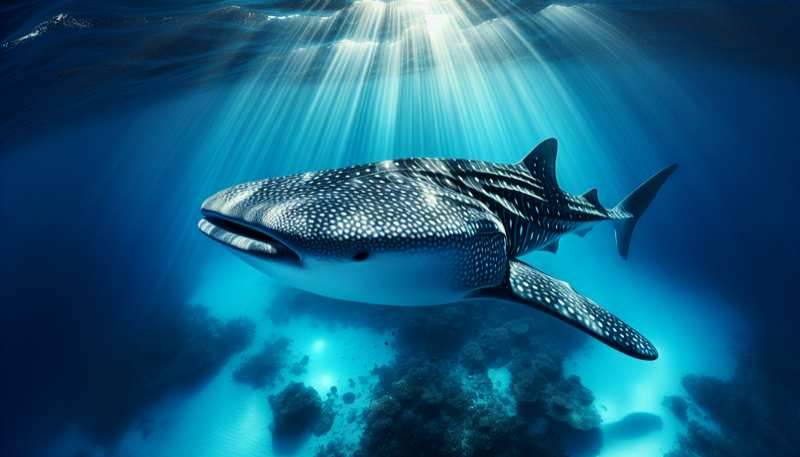
Whale Shark
ENRhincodon typus
Tropical and warm temperate oceans
Where to see whale sharks →Manta Ray
ENMobula alfredi and Mobula birostris
Productive tropical, subtropical, and warm-temperate seas, including reef cleaning stations, coastal feeding areas, island slopes, and open ocean
Where to see manta rays →
Bengal Tiger
ENPanthera tigris tigris
Tropical and subtropical forests, mangroves, grassland
Where to see bengal tigers →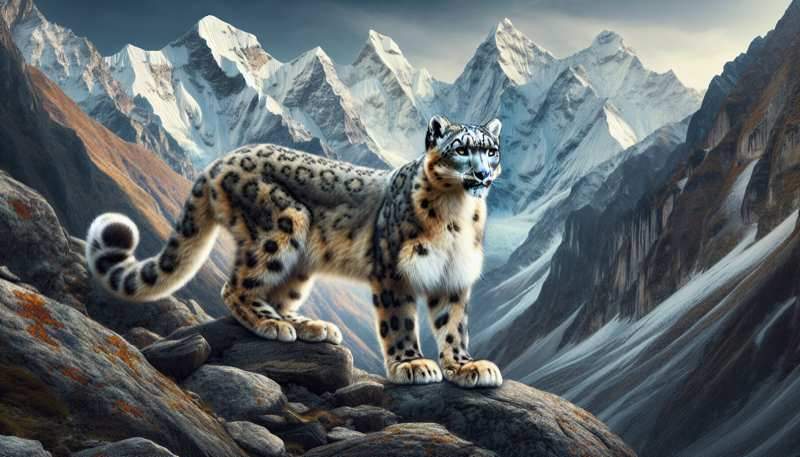
Snow Leopard
VUPanthera uncia
Alpine and subalpine zones, rocky mountains
Where to see snow leopards →
Orangutan
CRPongo pygmaeus, Pongo abelii, and Pongo tapanuliensis
Lowland, peat-swamp, riverine, hill, and montane forests in Borneo and northern Sumatra, with species- and population-specific ranges
Where to see orangutans →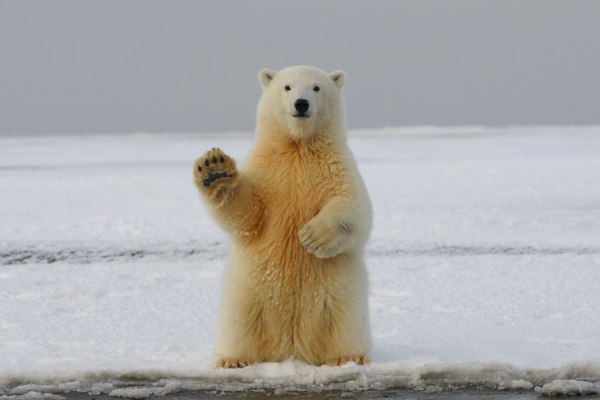
Polar Bear
VUUrsus maritimus
Arctic sea ice, coastal tundra
Where to see polar bears →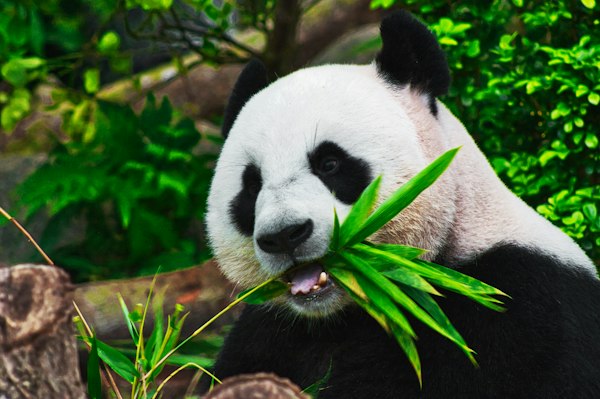
Giant Panda
VUAiluropoda melanoleuca
Temperate bamboo forests (1,200-3,400m elevation)
Where to see giant pandas →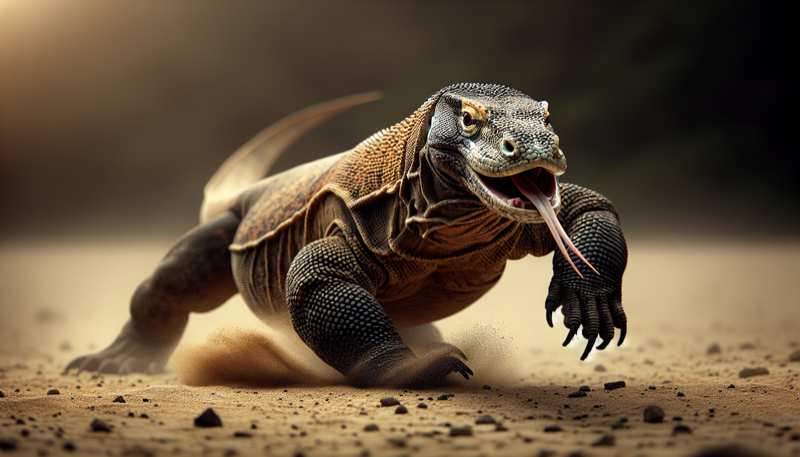
Komodo Dragon
ENVaranus komodoensis
Tropical savanna, monsoon forest
Where to see komodo dragons →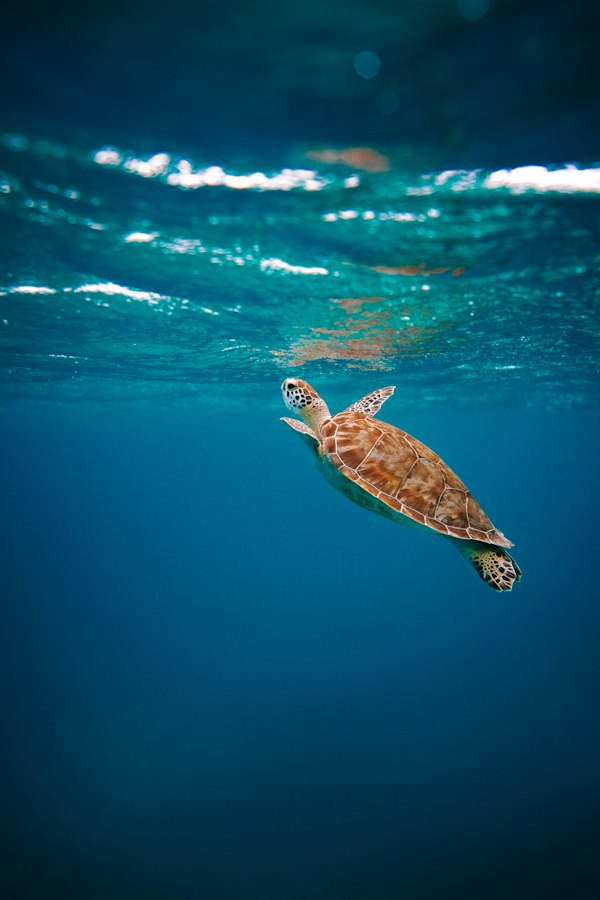
Green Sea Turtle
ENChelonia mydas
Tropical and subtropical oceans, coral reefs, seagrass beds
Where to see green sea turtles →
Bottlenose Dolphin
LCTursiops truncatus
Temperate and tropical oceans, coastal waters, estuaries
Where to see bottlenose dolphins →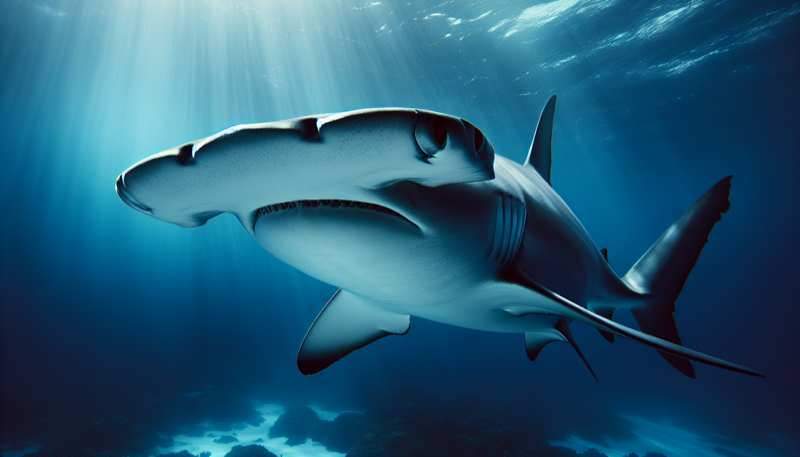
Hammerhead Shark
CRSphyrna mokarran
Tropical and warm temperate coastal waters, open ocean
Where to see hammerhead sharks →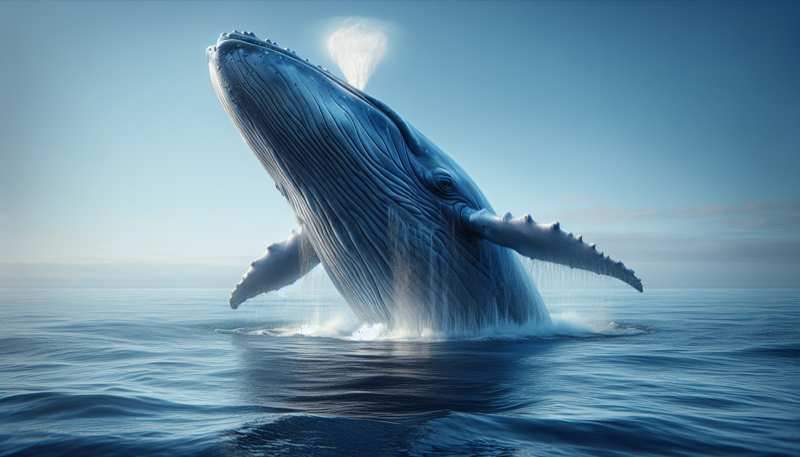
Blue Whale
ENBalaenoptera musculus
Open oceans worldwide, from polar to tropical waters
Where to see blue whales →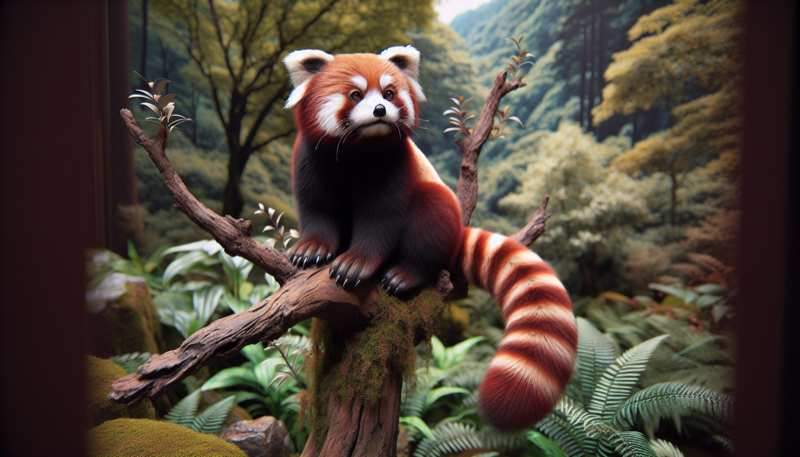
Red Panda
ENAilurus fulgens
Temperate broadleaf and mixed forests, bamboo understory (2,200-4,800m)
Where to see red pandas →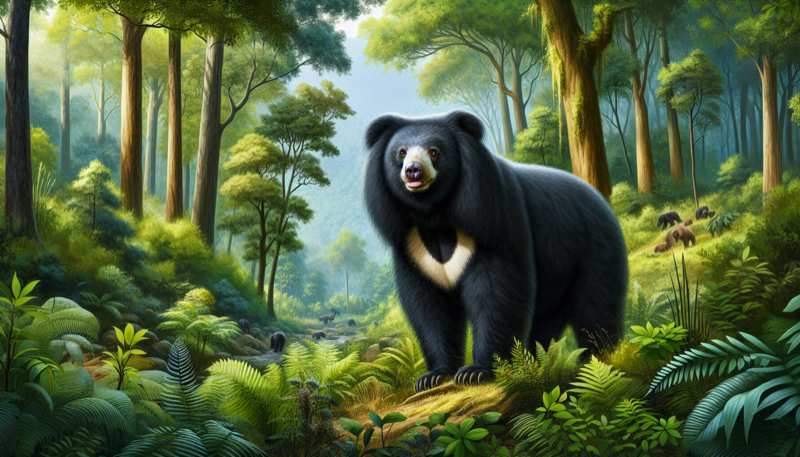
Sloth Bear
VUMelursus ursinus
Dry and moist tropical forests, grasslands
Where to see sloth bears →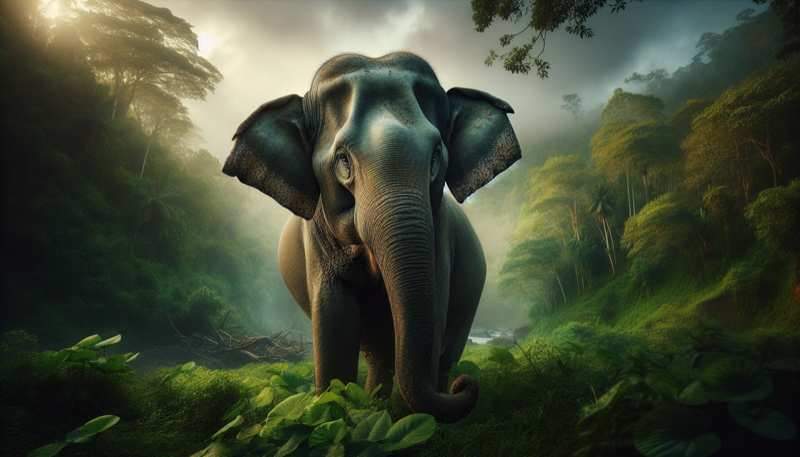
Asian Elephant
ENElephas maximus
Tropical and subtropical forests, grasslands, scrublands
Where to see asian elephants →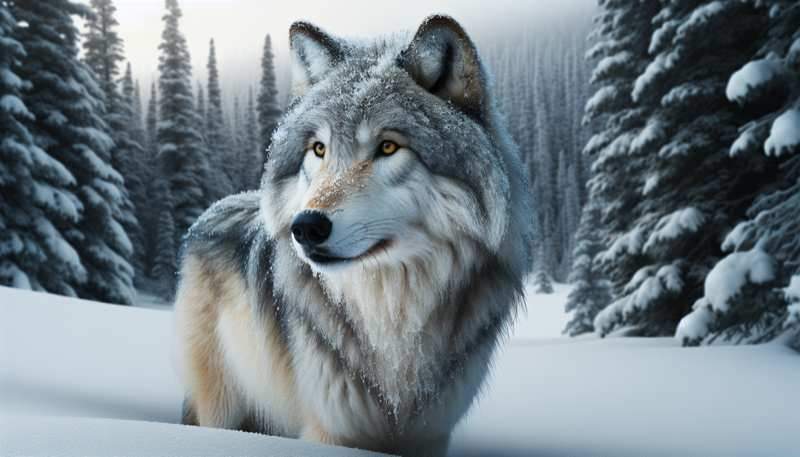
Gray Wolf
LCCanis lupus
Tundra, boreal and temperate forest, grassland, steppe, mountain, and some human-dominated landscapes where prey and tolerance permit
Where to see gray wolfs →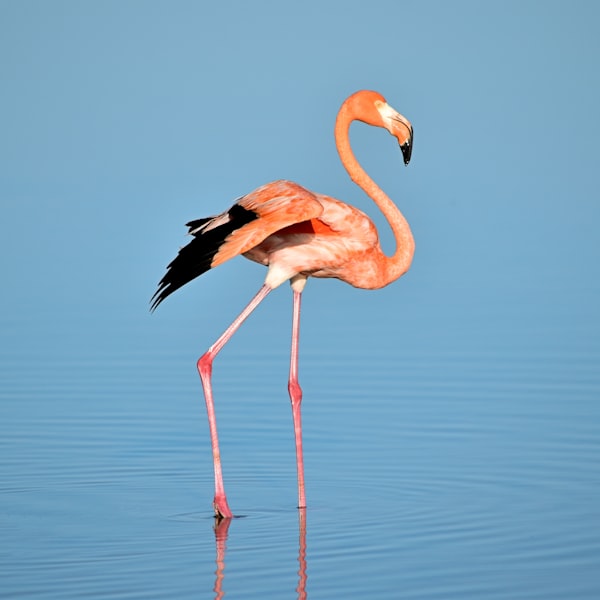
Greater Flamingo
LCPhoenicopterus roseus
Alkaline and saline lakes, mudflats, coastal lagoons
Where to see greater flamingos →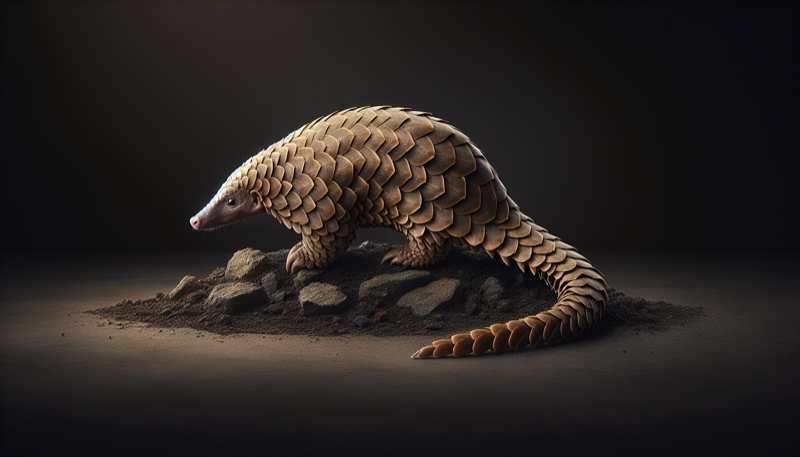
Pangolin
CRFamily Manidae — eight living species
Species-dependent tropical and subtropical forest, woodland, savanna, grassland, and scrub with suitable prey and shelter
Where to see pangolins →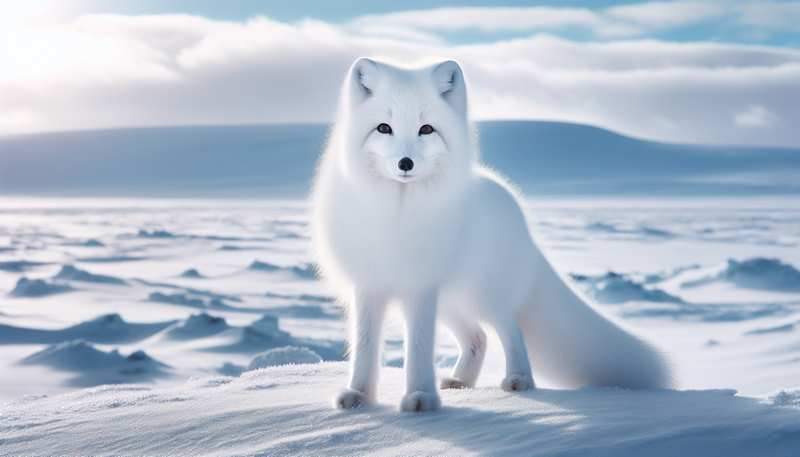
Arctic Fox
LCVulpes lagopus
Arctic tundra, coastal areas, pack ice
Where to see arctic foxs →19 Threatened Species in This Guide
Lion (Vulnerable), Leopard (Vulnerable), Cheetah (Vulnerable), Rhinoceros (Species range: Near Threatened to Critically Endangered), Whale Shark (Endangered), and more.