
Wildlife in Europe
7 animals · 1 destination guide · practical ways to visit and help
How to Plan a Wildlife Trip in Europe
Europe rewards slower, habitat-led wildlife travel. Forests, wetlands, mountain ranges, islands, and northern seas support bears, wolves, bison, seabirds, whales, and seasonal migrations, often within reach of rail-connected towns and established national parks.
Many European mammals are elusive or nocturnal, so local hides and specialist guides can matter more than distance travelled. For marine and bird trips, confirm the seasonal window and cancellation policy before booking transport.
Featured Wildlife Destinations in Europe
Use these destination guides to compare species, seasonal timing, logistics, tours, and places to stay.
Wildlife Experiences in Europe
Compare access, pace, operator questions, responsible-viewing rules, and suitable destinations for each activity.
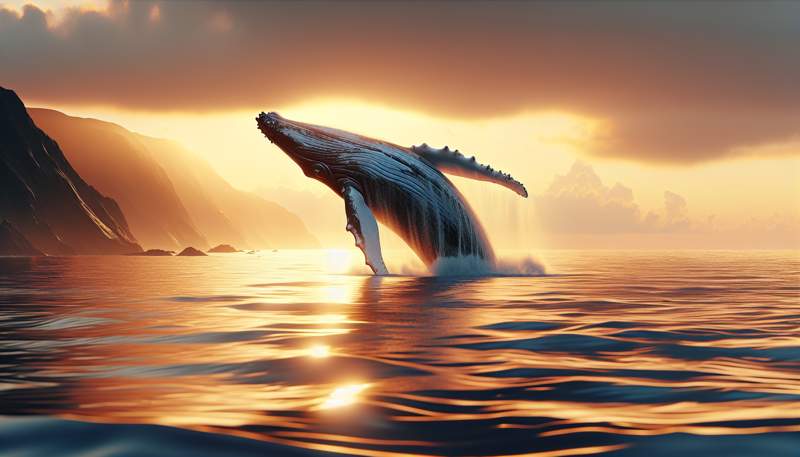
Whale Watching
Whale watching can mean a short coastal boat trip, a shore-based migration watch, or several days at sea in a remote region. Success depends on…
Read the experience guide →
Polar Wildlife Expeditions
Polar wildlife travel covers two different ends of the planet. Arctic trips may search for polar bears, walruses, whales, and tundra wildlife…
Read the experience guide →
Wildlife Photography Tours
A wildlife photography tour should improve access, fieldcraft, and learning without turning animal welfare into a competition for the closest…
Read the experience guide →Plan Wildlife Trips in Europe
Move from a broad regional idea to country-level habitats, species, destinations, and responsible-viewing guidance.
Ecosystems in This Region
Species can use several habitats. These routes explain viewing conditions and conservation pressures across ecosystems.
Animals That Live in Europe
Open any guide for habitat, best places and seasons, wild and zoo locations, photography advice, tours, safety, and conservation status.

Orca (Killer Whale)
LCOrcinus orca
All oceans, from Arctic to Antarctic
Where to see orca (killer whale)s →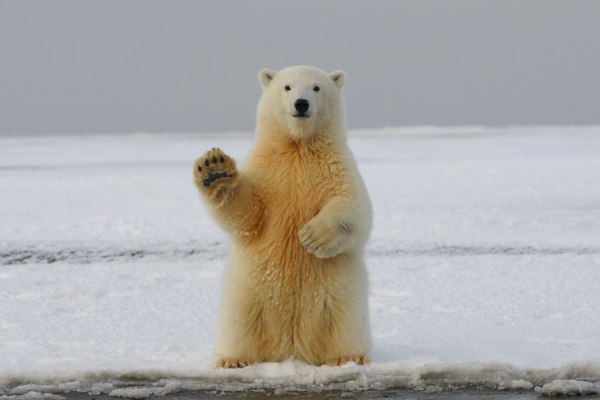
Polar Bear
VUUrsus maritimus
Arctic sea ice, coastal tundra
Where to see polar bears →
Bottlenose Dolphin
LCTursiops truncatus
Temperate and tropical oceans, coastal waters, estuaries
Where to see bottlenose dolphins →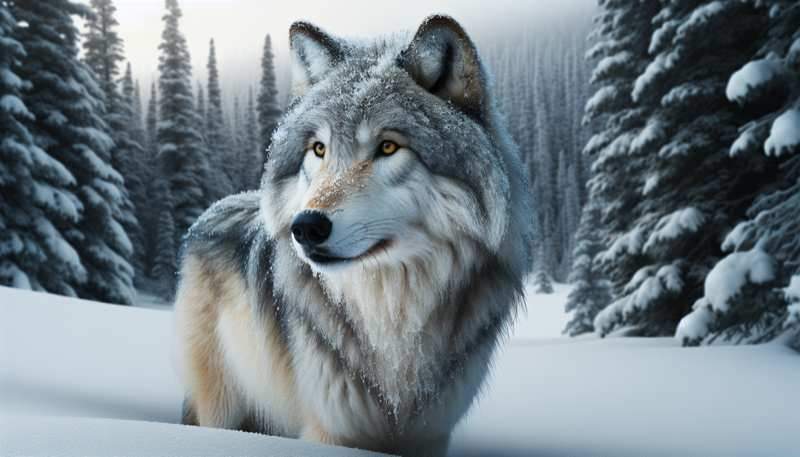
Gray Wolf
LCCanis lupus
Tundra, boreal and temperate forest, grassland, steppe, mountain, and some human-dominated landscapes where prey and tolerance permit
Where to see gray wolfs →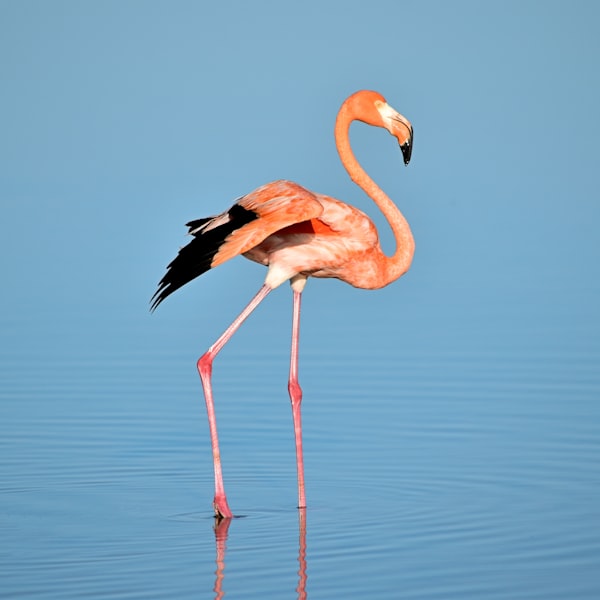
Greater Flamingo
LCPhoenicopterus roseus
Alkaline and saline lakes, mudflats, coastal lagoons
Where to see greater flamingos →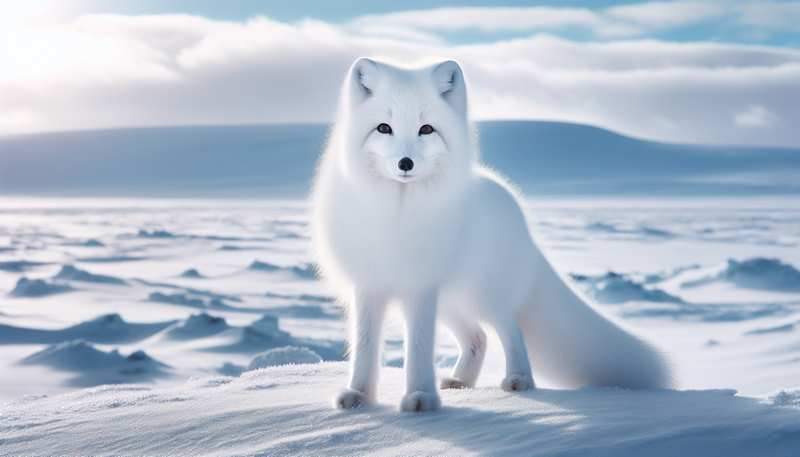
Arctic Fox
LCVulpes lagopus
Arctic tundra, coastal areas, pack ice
Where to see arctic foxs →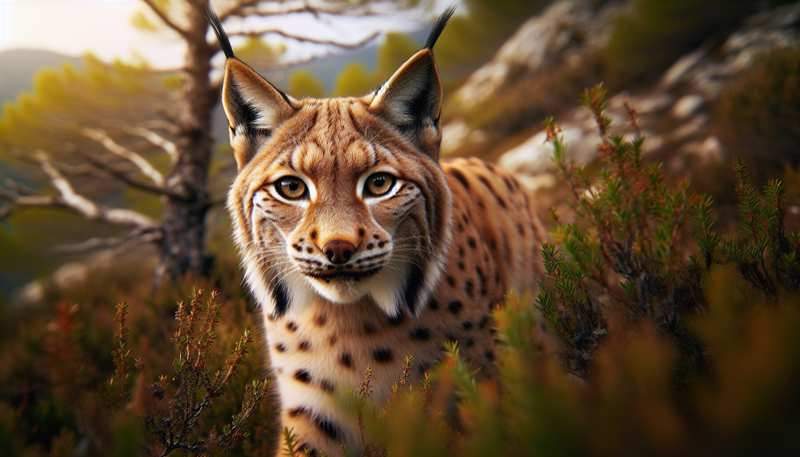
Iberian Lynx
VULynx pardinus
Mediterranean scrubland, open forest, maquis
Where to see iberian lynxs →2 Threatened Species in This Guide
Polar Bear (Globally Vulnerable; Canadian status varies by jurisdiction), Iberian Lynx (Vulnerable).