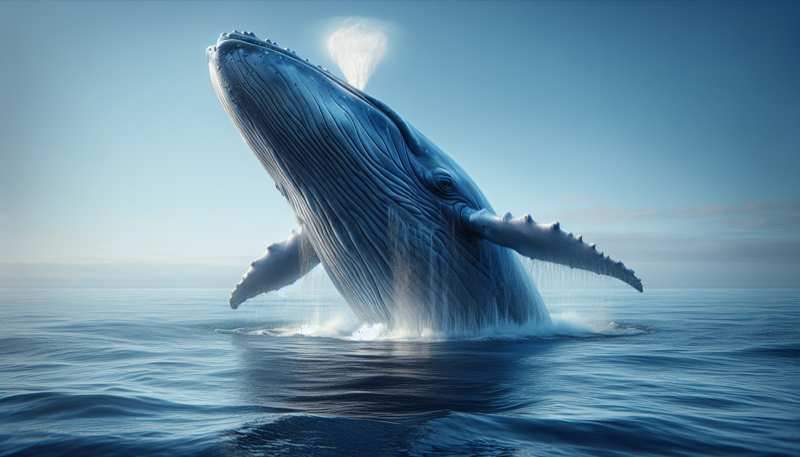
Whale and Dolphin Conservation Support
Donate · Programme donation · Global ocean
Programme donation Through Whale and Dolphin Conservation
A support route for whale and dolphin conservation, campaigning, research, rescue, education, action against entanglement and captivity, and work for healthier seas.
The contribution is associated with a defined conservation portfolio, but it may still be pooled across projects, places, and types of work.
Independent listing: WhereAnimalsLive does not collect or route this contribution, receive a referral fee, represent Whale and Dolphin Conservation, certify its claims, or guarantee that this offer will remain available. The organisation's official website is the source of truth at checkout.
What This Page Can—and Cannot—Decide
This review can help you identify the official Whale and Dolphin Conservation route, understand why we classify it as programme donation, see which species make the connection relevant, and arrive at the payment page with better questions. It can also expose a common mismatch: a supporter may expect money to follow one animal while the official terms allow it to support a wider portfolio.
It cannot decide whether Whale and Dolphin Conservation Support is the best use of your money, verify every field outcome, replace regulated financial or tax advice, or predict a future change in leadership, policy, delivery, or programme design. Conservation results are rarely attributable to one payment or organisation, and simple overhead ratios do not measure field quality on their own.
What the Official Material Says It Supports
The official support page offers donations and symbolic adoptions. This record uses the donation route because blue whales are not necessarily the named species in a current adoption catalogue, while the official species guide confirms programme relevance.
That description is a concise editorial summary of the official source reviewed on the date above. It is not a promise from WhereAnimalsLive and it should not replace the organisation's current programme page, financial information, policies, or payment terms.
What You May Receive
A donation does not include a named whale unless the supporter deliberately selects a separate adoption product. Regional sites may offer different currencies, benefits, and legal entities.
Certificates, biographies, updates, merchandise, event access, and tax receipts are secondary to conservation outcomes. Check stock, delivery territory, digital access, privacy, and any benefit value before choosing an option.
Important Programme Context
WDC's adoption catalogue can feature identifiable humpback whales or orcas; a general contribution remains programme support. No gift can guarantee a sighting or authorise a close approach on a whale-watching trip.
A conservation label does not automatically prove impact, and a compelling animal story does not show how every payment is allocated. Good due diligence looks at the organisation, the specific offer, the legal recipient, recent reporting, and the role of local communities as a connected system.
Animals Connected to This Programme
These links show verified editorial relevance, not a promise that a general contribution is restricted to every species listed. Open each guide for habitat, wild locations, responsible viewing, conservation status, and trip planning.
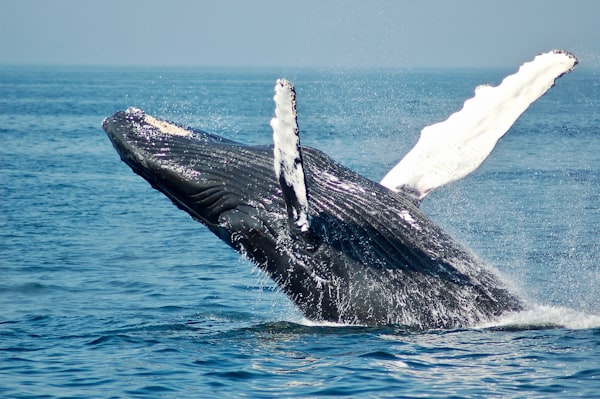
Humpback Whale
LCMegaptera novaeangliae
Least Concern · Open oceans, coastal waters
Where it lives →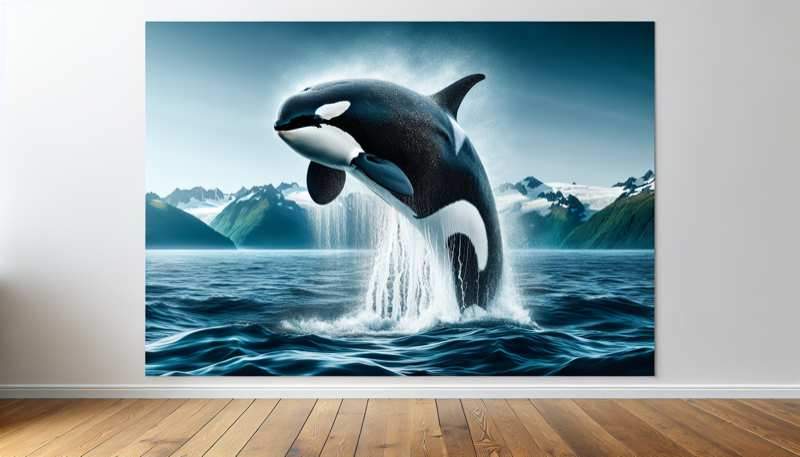
Orca (Killer Whale)
LCOrcinus orca
Least Concern · All oceans, from Arctic to Antarctic
Where it lives →
Bottlenose Dolphin
LCTursiops truncatus
Least Concern · Temperate and tropical oceans, coastal waters, estuaries
Where it lives →Blue Whale
ENBalaenoptera musculus
Endangered · Open oceans worldwide, from polar to tropical waters
Where it lives →Verify Before You Contribute
- Choose the correct regional WDC site and legal entity for your location.
- Distinguish a general donation from any current named-whale adoption product.
- Review recurrence, currency, tax, privacy, and programme reporting before checkout.
- Start from the official domain shown above rather than a social advertisement, copied payment link, or unsolicited message.
- Save the receipt and current terms if the contribution renews, includes delivery, or needs to be documented for tax purposes.
See the Wider Wildlife Context
A contribution does not offset poor wildlife-viewing behaviour. Use these guides to understand habitat, seasonality, operator questions, access, local rules, and the pressure tourism can place on the same species.