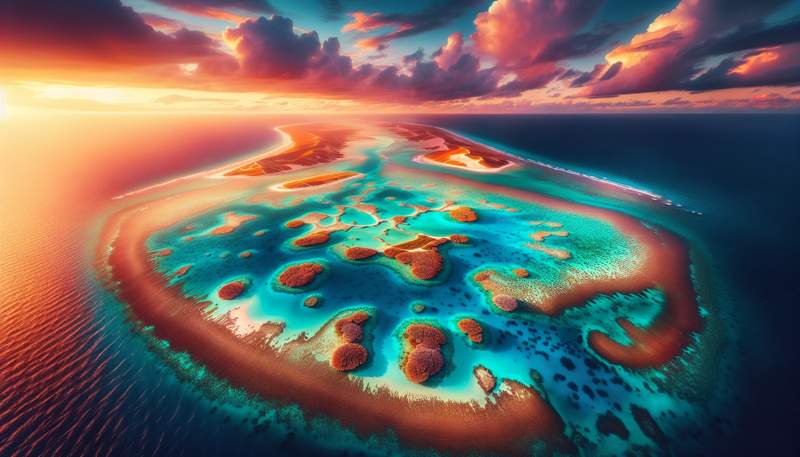
Whale Shark Snorkeling
3 featured places · 3 relevant species · responsible operator checklist
Is Whale Shark Snorkeling Right for You?
A whale shark swim is usually a boat-based snorkelling encounter in a place where seasonal feeding or movement makes sightings possible. The animal is a wild shark, not an attraction that should be chased, touched, or surrounded. Rules vary between locations, but the central questions are consistent: how animals are found, how many swimmers enter at once, what distance is required, and whether feeding changes natural behaviour.
Timing the Trip
Whale sharks are seasonal in many destinations, but peak windows and daily encounter conditions vary. Compare the ecological reason for the aggregation, local monitoring, and historical season rather than copying a global month list. Wind, swell, water visibility, and port closures may determine whether a trip runs even during the normal season.
What to Expect
- A safety and wildlife briefing before searching, with no assurance that a swim will be possible.
- Quick but controlled entries where the guide positions swimmers beside the shark’s direction of travel.
- Surface swimming rather than holding position for a posed photograph or approaching from the front.
- Other reef wildlife and substantial transit time as part of a full marine day, not only the headline encounter.
How to Plan
Ask about minimum swimming ability, flotation aids, group size, time in the water, entry style, guide-to-guest ratio, and what happens if conditions are unsuitable. Practise using a mask and snorkel before the trip. Choose reef-safe sun protection and avoid loose equipment. If an operator advertises guaranteed close contact, feeding, touching, or riding, choose another experience.
Build Your Wildlife TripResponsible Whale Shark Snorkeling
Enter calmly when instructed, remain to the side of the animal, keep clear of the head and tail, and never dive down onto its path. Do not touch, chase, block, or use flash close to the animal. Operators should stagger entries, stop swimmers from converging, respect current distance rules, and end an interaction when the shark changes direction or speed to avoid people.
Whale shark tourism can make a living animal economically valuable and support identification research, but repeated crowding, propellers, provisioning, and poor swimmer control can cause harm. Prefer regulated locations with operator licensing, interaction limits, data collection, and enforcement. Ask whether spotter methods, aircraft use, fuel, and reef impacts are addressed in the trip’s environmental policy.
Understand Conservation ClaimsFeatured Whale Shark Snorkeling Destinations
Use each destination guide to compare seasons, wildlife, access, travel logistics, and relevant tour listings. Inclusion means the place fits this activity type; it is not an endorsement of every local operator.

Galapagos Islands
The Galápagos Islands are a tightly managed Ecuadorian national park and marine reserve where island isolation, ocean currents, and volcanic processes support…
Open destination guide →Ningaloo Reef
The Ningaloo Coast World Heritage property combines a near-shore coral reef, open ocean, beaches, Cape Range, and an arid coastline in remote Western…
Open destination guide →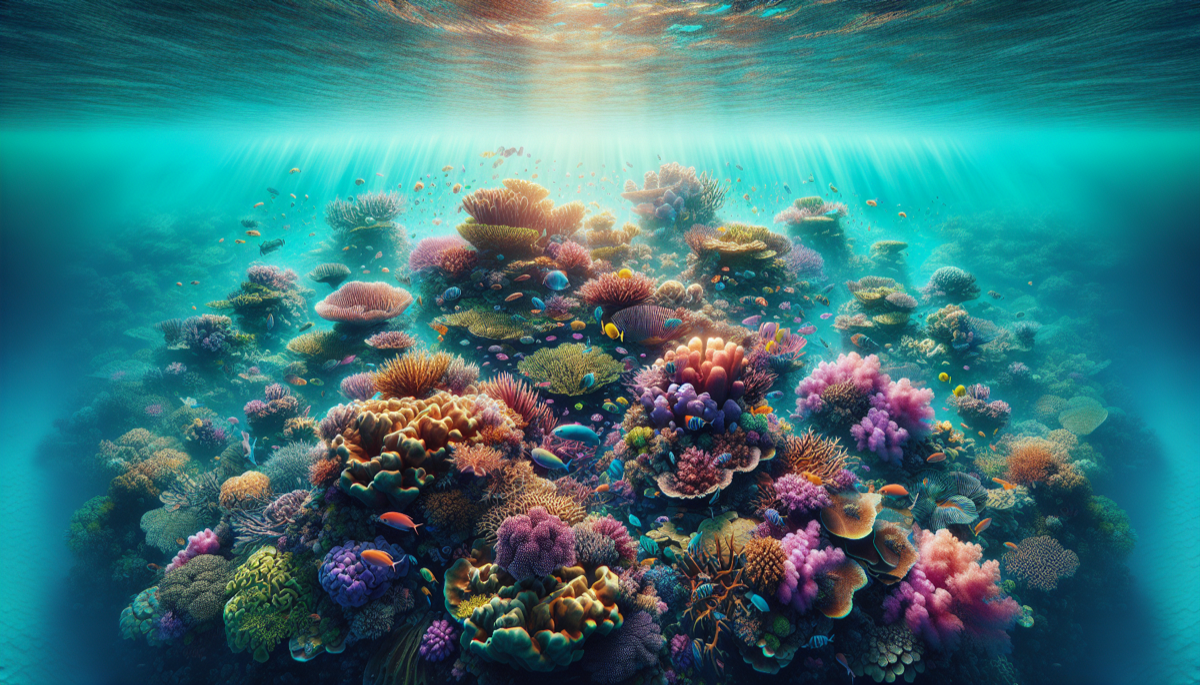
Great Barrier Reef
The Great Barrier Reef is a vast, multi-region marine park and World Heritage Area along Queensland, not one interchangeable Cairns excursion. A credible trip…
Open destination guide →Animals You May Encounter
No species or behaviour is guaranteed. Open the animal guides for wild locations, habitat, seasonal context, safety, conservation status, and alternative places to look.
Whale Shark Snorkeling Planning Guides
Compare destinations, itineraries, timing, costs, photography, and responsible choices in our related editorial guides.

Best Wildlife Destinations in Europe
Compare Andújar, Abruzzo, Białowieża, the Danube Delta, Isle of May, the Azores, and Svalbard by wildlife, access, safety, season, and trip fit.
Read guide →
Best Wildlife Destinations in North America
Compare Yellowstone, Denali, Churchill, the Everglades, Monterey Bay, Baja, and Corcovado by wildlife, access, season, safety, and trip fit.
Read guide →
Best Wildlife Destinations in Australia
Compare Kangaroo Island, Ningaloo, the Great Barrier Reef, Daintree, Kakadu, and Maria Island by wildlife, access, season, safety, and trip fit.
Read guide →Threatened Species and Independent Support
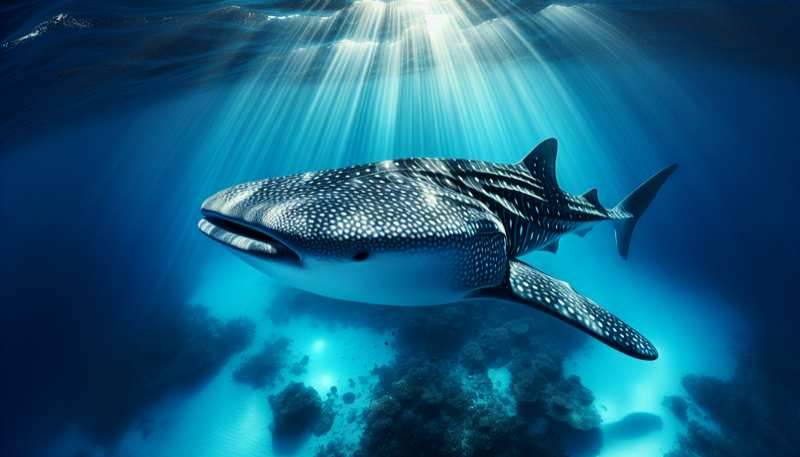
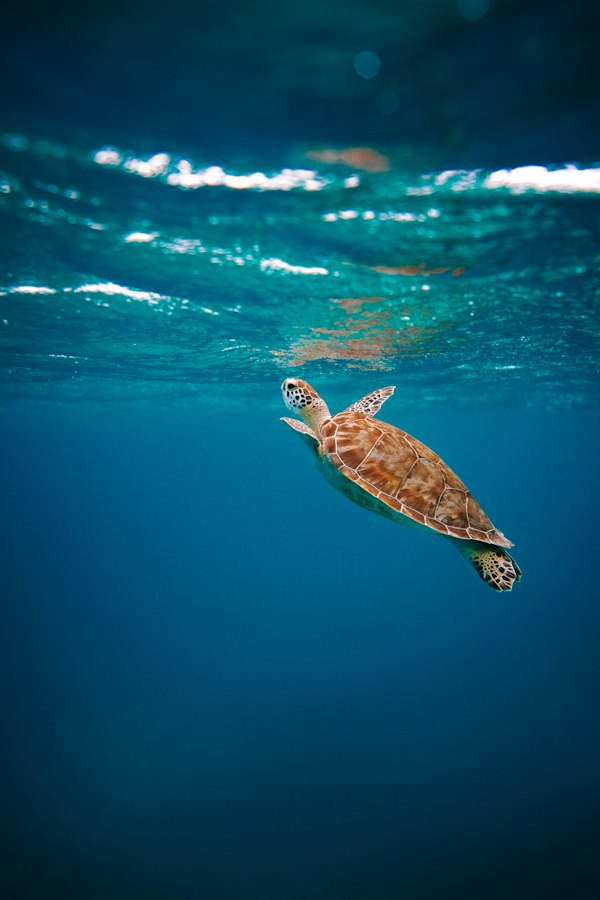
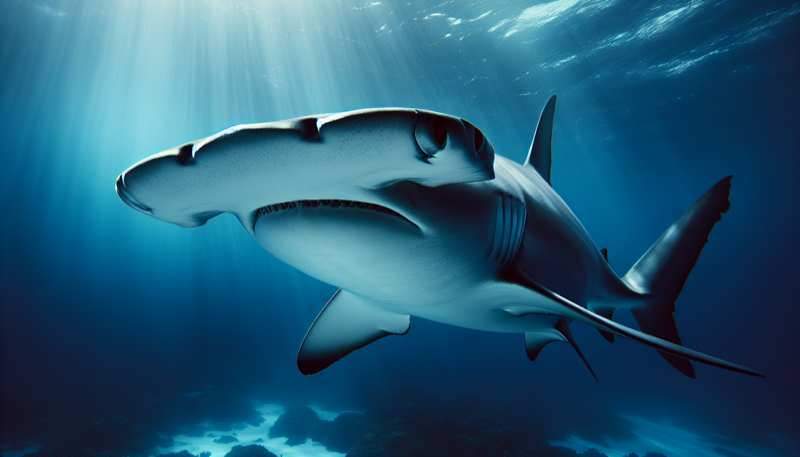
3 species connected to this experience are listed in our guides as Vulnerable, Endangered, or Critically Endangered: Whale Shark (Endangered), Green Sea Turtle (Endangered), Hammerhead Shark (Critically Endangered).
Tourism can contribute through protected-area fees and local work, but it does not replace habitat protection or careful operator practice.
Explore Endangered AnimalsCompare Whale Shark Snorkeling Tours
Listings are supplied by an external booking partner. Confirm the exact location, wildlife policy, operator, itinerary, permits, recent reviews, availability, total price, and cancellation terms before booking.

Small Group Whale Shark Snorkeling in La Paz, Mexico
3 hours
Whale Shark snorkeling tour in a reduced group with local marine biologist
3 hours
La Paz Whale Shark Snorkeling Tour and Lunch From Los Cabos
10 hours
Turtle Tour - Ningaloo Reef Half Day Sea Kayak and Snorkel Tour
3h 30m
La Paz Whale Shark & Sea Lion Snorkeling + Balandra Tour
6 hours
Snorkel Tour with Whale Shark in La Paz
2 hoursRelated Wildlife Experiences
Whale Watching
Whale watching can mean a short coastal boat trip, a shore-based migration watch, or several days at sea in a remote region. Success depends on…
Compare the experience →
Polar Wildlife Expeditions
Polar wildlife travel covers two different ends of the planet. Arctic trips may search for polar bears, walruses, whales, and tundra wildlife around…
Compare the experience →
Wildlife Photography Tours
A wildlife photography tour should improve access, fieldcraft, and learning without turning animal welfare into a competition for the closest frame.…
Compare the experience →