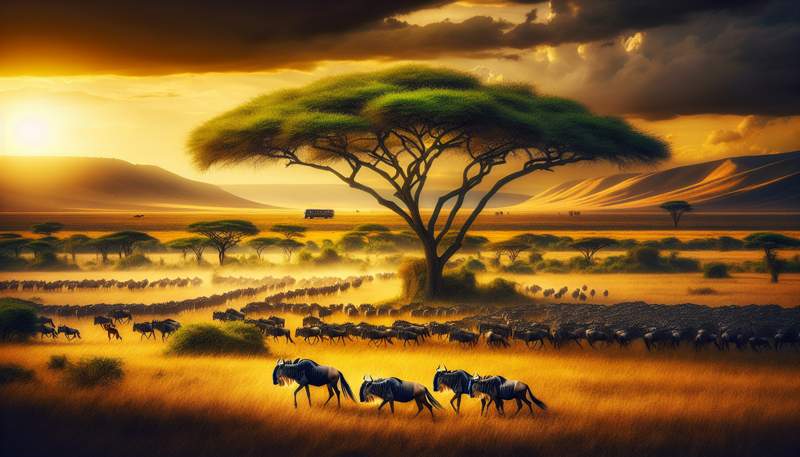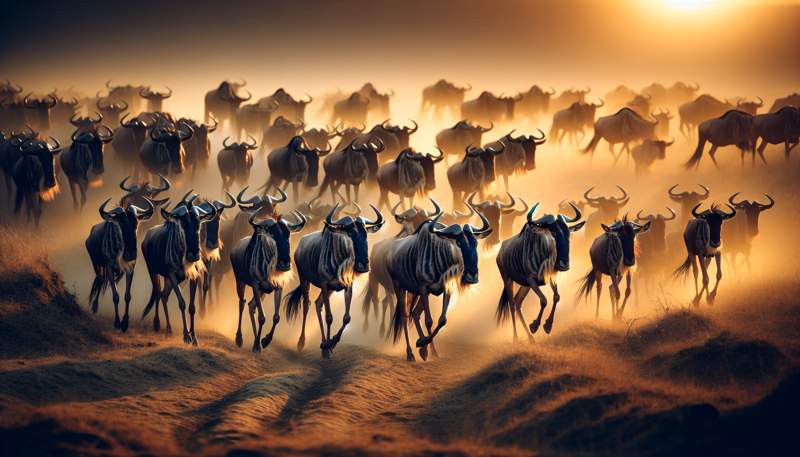
The Serengeti's Great Migration is one of nature's most spectacular events, drawing wildlife enthusiasts from around the globe to witness over two million wildebeest, zebras, and gazelles on their epic circular journey. But here's the thing—timing is everything when it comes to experiencing this incredible phenomenon. Choose the wrong month, and you might find yourself staring at empty plains instead of witnessing the thunderous hooves and dramatic river crossings that make this migration legendary.
Understanding the Serengeti Migration Cycle
The Great Migration isn't just a simple A-to-B journey—it's a complex, year-round cycle that follows ancient patterns driven by rainfall and grass quality. The massive herds move in a roughly clockwise direction through the Serengeti-Mara ecosystem, covering approximately 1,800 miles annually between Tanzania and Kenya.
The migration timing can vary by several weeks each year depending on rainfall patterns, which have become increasingly unpredictable due to climate changes observed through 2026. However, the general pattern remains consistent enough to plan your visit strategically.
- December to March: Southern Serengeti calving season
- April to June: Western corridor movement and river crossings
- July to October: Northern Serengeti and Masai Mara
- November: Return journey south begins
Peak Season: July to October River Crossings
If you're looking for the most dramatic migration scenes, July through October offers the best opportunity to witness the famous Mara River crossings. During this period, the herds concentrate in the northern Serengeti and Kenya's Masai Mara, creating some of the most intense wildlife viewing experiences on Earth.
The river crossings are particularly spectacular because they represent life-or-death moments for the migrating animals. Crocodiles lurk in the waters while lions and other predators wait on the banks. The chaos and drama of these crossings make for unforgettable wildlife photography opportunities.
During peak season, expect higher prices and larger crowds. Browse safari packages on BookAllSafaris to compare options, or let Safari.com plan your luxury Serengeti experience. Book well in advance—many premium camps and lodges sell out 6-12 months ahead for this period.
The Calving Season: January to March
For a completely different but equally magnificent experience, visit during the calving season from January to March. The herds congregate in the southern Serengeti plains, particularly around the Ndutu area and southern Ngorongoro Conservation Area. This period coincides perfectly with our current season here in March 2026.
During calving season, approximately 500,000 wildebeest calves are born, mostly within a three-week window in February. The abundance of vulnerable young animals attracts predators in large numbers, creating exceptional opportunities to observe hunting behavior and predator-prey interactions.
Advantages of visiting during calving season include:
- Lower accommodation costs (30-40% less than peak season)
- Fewer tourists and vehicles
- Exceptional predator activity
- Stunning photography opportunities with newborn animals
- Pleasant weather with minimal rainfall
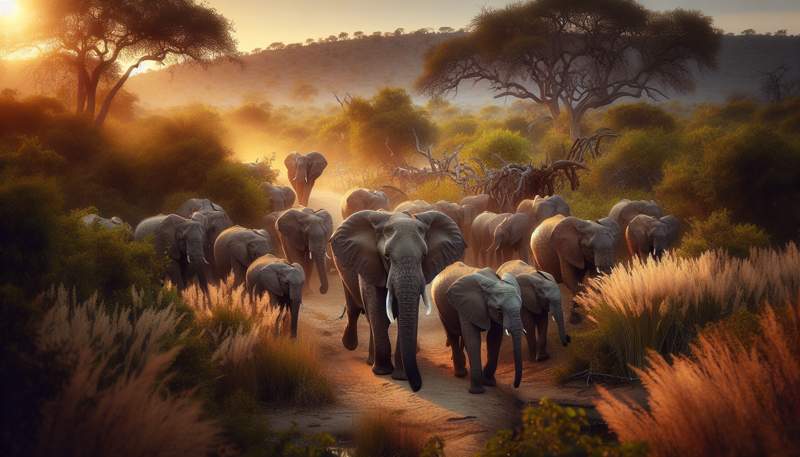
The southern Serengeti during this time offers some of the best wildlife density you'll find anywhere in Africa, making it an excellent choice for first-time safari visitors or those seeking incredible African elephant sightings alongside the migration herds.
Shoulder Seasons: April-June and November
The shoulder seasons offer unique advantages for savvy travelers willing to trade the guaranteed drama of peak periods for better value and different experiences. April through June sees the herds moving through the western corridor, including the famous Western Serengeti and Grumeti area.
During this period, you'll witness the first river crossings of the year at the Grumeti River, which are often less crowded than the later Mara River crossings but equally dramatic. The landscape is lush and green from the long rains, creating beautiful photographic conditions.
November represents the short dry season and the beginning of the return journey south. The herds are dispersed but moving, and you'll often find excellent game viewing with very few other tourists. This is particularly appealing for photographers and wildlife enthusiasts who prefer a more exclusive experience.
Find wildlife experiences on GetYourGuide often features excellent deals during shoulder seasons, making it an ideal time for budget-conscious travelers to experience the migration.
Planning Your Migration Safari
Successful migration planning requires more than just picking the right month. Consider these essential factors when planning your 2026 or 2027 visit:
Accommodation Strategy
Mobile camps that follow the herds offer the most authentic experience but require advance booking. Permanent lodges provide more luxury but may require game drives to reach the herds. Find safari lodges on Expedia to compare options across different price ranges.
Transportation and Logistics
Flying between camps maximizes your time with the herds but increases costs. Road transfers are more economical but time-consuming. Most visitors fly into Kilimanjaro International Airport for southern circuit access or Wilson Airport in Nairobi for Masai Mara access. Compare flights on Expedia to find the best routing options.
Essential Gear and Preparation
Migration viewing requires specific equipment for optimal enjoyment. Quality binoculars, telephoto camera lenses, and appropriate clothing are essential. Don't forget comprehensive travel insurance, as medical facilities are limited in remote areas. Get adventure travel insurance from World Nomads to protect your investment and ensure peace of mind.
Check our comprehensive safari packing list for detailed gear recommendations, and consider our wildlife photography guide to make the most of your migration experience.
Budget Considerations and Costs
Migration safari costs vary dramatically based on timing, accommodation level, and group size. Here's what to expect in 2026:
- Budget camping safaris: $200-400 per person per day
- Mid-range lodge safaris: $500-800 per person per day
- Luxury tented camps: $800-1,500 per person per day
- Ultra-luxury mobile camps: $1,500-3,000+ per person per day
Peak season (July-October) commands premium pricing, while calving season (January-March) and shoulder seasons offer 20-40% savings. Consider planning your luxury safari with Go2Africa for expert guidance on optimizing your budget and timing.
Additional costs include park fees ($70-80 per person per day), international flights ($800-2,000+ depending on origin), and gratuities for guides and camp staff.
Making the Final Decision
The best time to visit the Serengeti migration ultimately depends on your priorities, budget, and travel style. If witnessing dramatic river crossings tops your list and budget isn't a primary concern, plan for July through September. For incredible value, amazing predator action, and fewer crowds, the calving season from January to March offers an unbeatable experience.
Remember that the migration is a living, breathing phenomenon that doesn't follow strict schedules. Even during "off" periods, the Serengeti offers world-class wildlife viewing with resident populations of lions, leopards, cheetahs, and African elephants.
For more detailed planning assistance, explore our safari planning guide and seasonal wildlife calendar. Whether you choose the drama of river crossings or the tender moments of calving season, the Serengeti migration will provide memories to last a lifetime. Start planning your migration adventure today—the herds are waiting, and 2026 offers excellent opportunities for both seasoned safari-goers and first-time visitors to witness one of nature's greatest spectacles.