
Rainforest Wildlife Tours
6 featured places · 8 relevant species · responsible operator checklist
Is Rainforest Wildlife Tours Right for You?
Rainforest wildlife trips reward attention to sound, movement, tracks, fruit, and forest layers more than long-distance vistas. A guide may locate monkeys, sloths, frogs, birds, reptiles, and insects that an untrained visitor would pass without noticing. The habitat is the main event: sightings are often partial or brief, and learning how species use the canopy, understory, rivers, and forest floor makes the trip richer.
Timing the Trip
Rain is part of a rainforest experience, not automatically a reason to avoid it. Seasonal patterns influence fruiting, river access, amphibian activity, trail conditions, and transport. Identify which species and activity matter most, then compare that local pattern with rainfall and access. Morning, late afternoon, and guided night walks may reveal completely different communities.
What to Expect
- Slow walking with frequent stops to listen, scan vegetation, and understand tracks or feeding signs.
- Many small discoveries and occasional larger sightings obscured by leaves, distance, or low light.
- Rapid weather changes, high humidity, insects, mud, and equipment that needs waterproof protection.
- Different wildlife communities by forest layer, time of day, elevation, water, and disturbance level.
How to Plan
Choose a guide who interprets the whole ecosystem and keeps group size low enough for quiet observation. Confirm trail length, gradient, surfaces, boat transfers, lighting policy, footwear, insect precautions, and whether night walks are suitable for children or mobility needs. Stay long enough to repeat a trail under different conditions; a one-hour rushed stop rarely represents the forest.
Build Your Wildlife TripResponsible Rainforest Wildlife Tours
Remain on approved trails, disinfect footwear where required, keep hands away from plants and animals, and never handle frogs, reptiles, insects, or primates for a photograph. Playback, flash, bright lights, feeding, and cutting vegetation can disrupt wildlife. Night guides should limit light intensity and duration, avoid known nests or roosts, and rotate viewing rather than surrounding an animal.
Rainforest tourism can support intact habitat and local livelihoods, but poorly planned lodges may clear land, consume scarce resources, or create wildlife feeding and waste problems. Ask about land tenure, local employment, water and sewage treatment, trail limits, and whether conservation payments protect a defined area. Avoid treating an animal selfie as evidence of rescue or conservation.
Understand Conservation ClaimsFeatured Rainforest Wildlife Tours Destinations
Use each destination guide to compare seasons, wildlife, access, travel logistics, and relevant tour listings. Inclusion means the place fits this activity type; it is not an endorsement of every local operator.

Borneo
Borneo is a large island divided among Malaysia, Indonesia, and Brunei, not one destination with a shared visa, currency, airport, wildlife route, or visitor…
Open destination guide →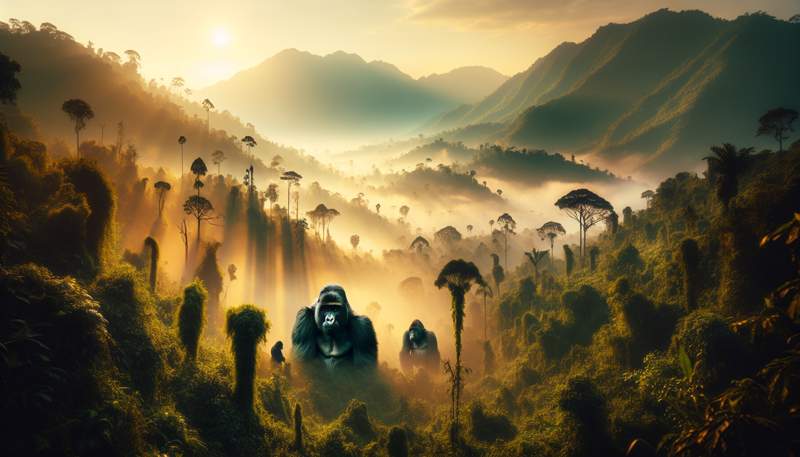
Bwindi Impenetrable Forest
Bwindi Impenetrable National Park is a UNESCO World Heritage forest in south-western Uganda and one of two landscapes where mountain gorillas live. Uganda…
Open destination guide →Costa Rica
Costa Rica is one of the most biodiverse countries on Earth, with over 500,000 species packed into a land area smaller than West Virginia. This Central…
Open destination guide →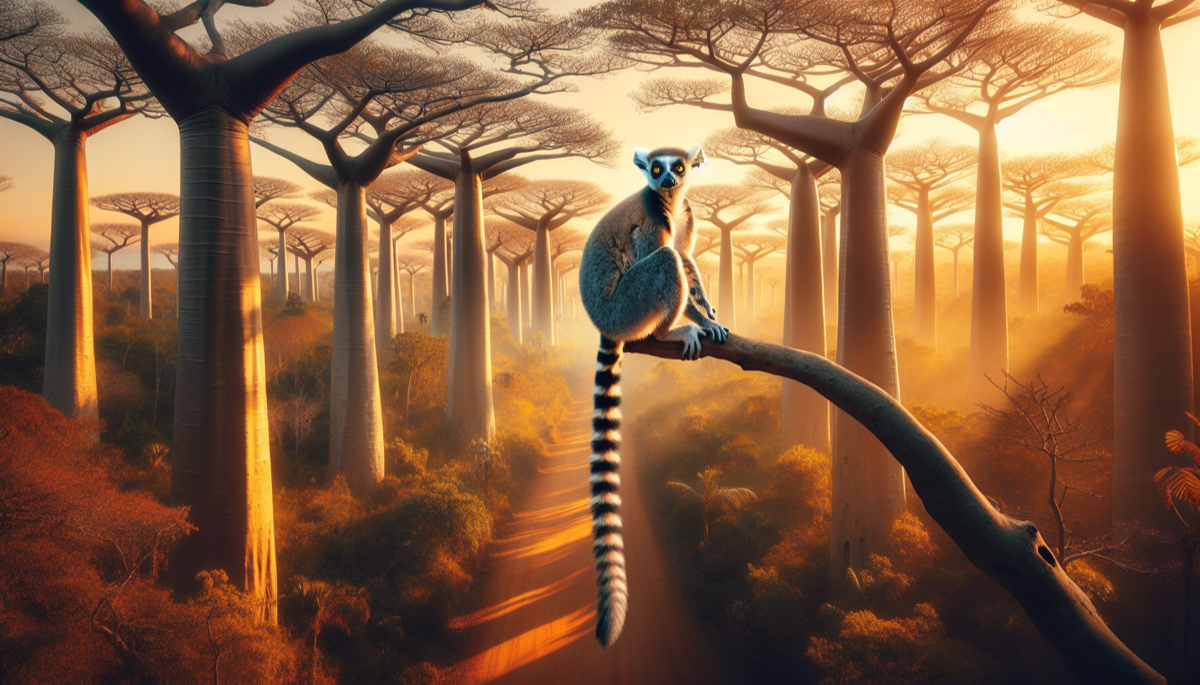
Madagascar
Madagascar is the world's fourth-largest island and one of the planet's most extraordinary biodiversity hotspots. Separated from mainland Africa over 80…
Open destination guide →
Amazon Rainforest
The Amazon is a vast multi-country biome, not one destination reached interchangeably from Manaus or Iquitos. A useful wildlife trip starts with a named…
Open destination guide →
Sumatra
Sumatra is Indonesia's largest island and one of the last places on Earth where orangutans, tigers, rhinoceros, and elephants still share the same forest. The…
Open destination guide →Animals You May Encounter
No species or behaviour is guaranteed. Open the animal guides for wild locations, habitat, seasonal context, safety, conservation status, and alternative places to look.

Mountain Gorilla
ENGorilla beringei beringei
Montane and bamboo forest
Where it lives →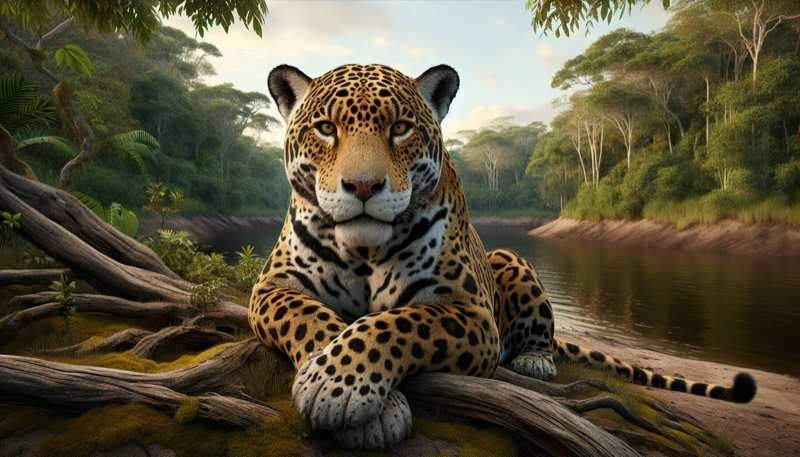
Jaguar
NTPanthera onca
Tropical rainforest, wetlands, grassland
Where it lives →
Orangutan
CRPongo pygmaeus, Pongo abelii, and Pongo tapanuliensis
Lowland, peat-swamp, riverine, hill, and montane forests in Borneo and northern Sumatra, with species- and population-specific ranges
Where it lives →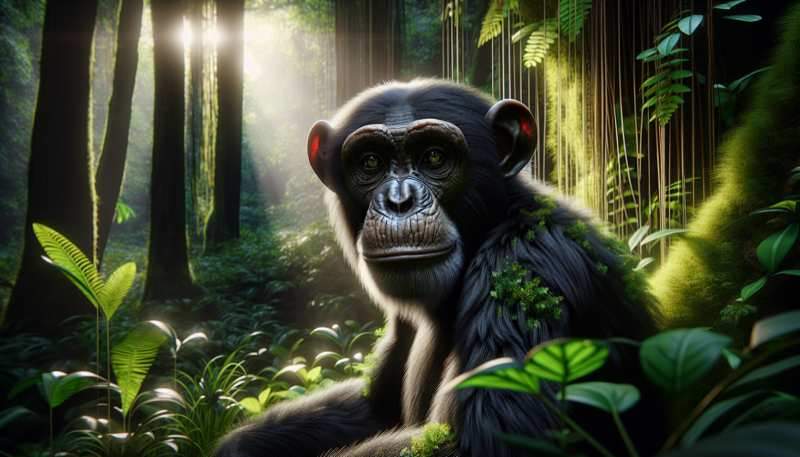
Chimpanzee
ENPan troglodytes
Tropical rainforest, woodland savanna
Where it lives →
Two-toed Sloth
LCCholoepus hoffmanni
Tropical rainforest, cloud forest canopy
Where it lives →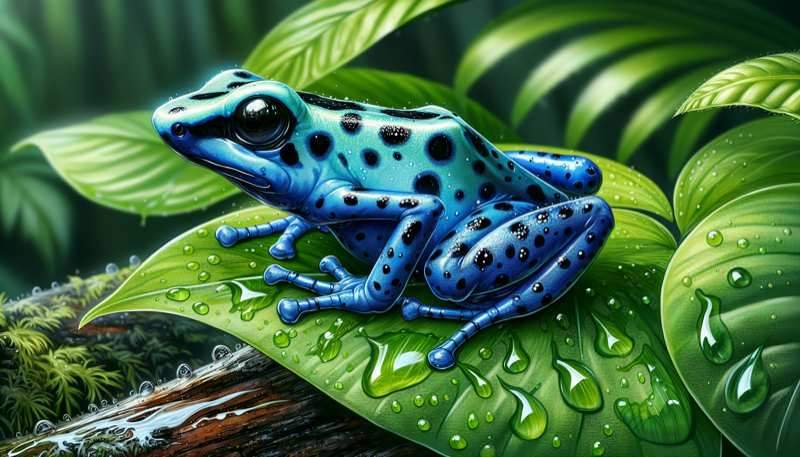
Poison Dart Frog
LCDendrobates spp.
Tropical rainforest floor, leaf litter, bromeliads
Where it lives →
Pangolin
CRFamily Manidae — eight living species
Species-dependent tropical and subtropical forest, woodland, savanna, grassland, and scrub with suitable prey and shelter
Where it lives →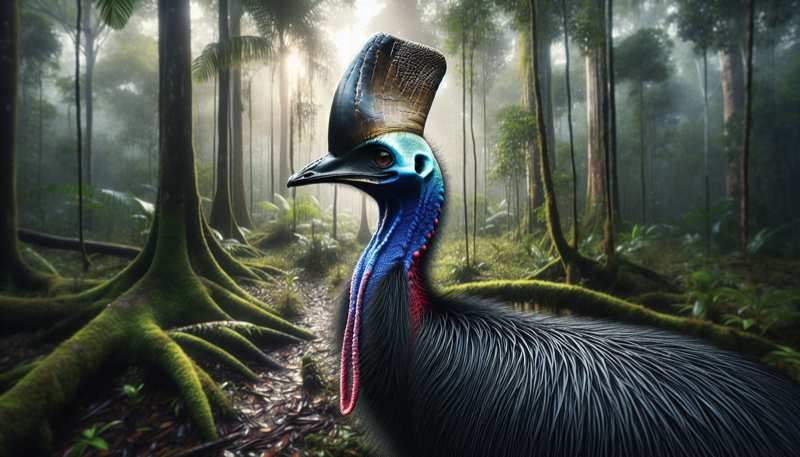
Southern Cassowary
LCCasuarius casuarius
Tropical rainforest, mangroves, fruit orchards
Where it lives →Explore by Country
Rainforest Wildlife Tours Planning Guides
Compare destinations, itineraries, timing, costs, photography, and responsible choices in our related editorial guides.

Best Wildlife Destinations in Europe
Compare Andújar, Abruzzo, Białowieża, the Danube Delta, Isle of May, the Azores, and Svalbard by wildlife, access, safety, season, and trip fit.
Read guide →
Best Wildlife Destinations in North America
Compare Yellowstone, Denali, Churchill, the Everglades, Monterey Bay, Baja, and Corcovado by wildlife, access, season, safety, and trip fit.
Read guide →Best Wildlife Destinations in Asia
Compare Borneo, Indian tiger reserves, Sri Lanka, Komodo, Ladakh, and Shiretoko by wildlife, access, season, safety, field method, and responsible trip fit.
Read guide →Threatened Species and Independent Support
4 species connected to this experience are listed in our guides as Vulnerable, Endangered, or Critically Endangered: Mountain Gorilla (Endangered), Orangutan (All three species are Critically Endangered), Chimpanzee (Endangered), Pangolin (Species range: Vulnerable to Critically Endangered).
Tourism can contribute through protected-area fees and local work, but it does not replace habitat protection or careful operator practice.
Explore Endangered AnimalsCompare Rainforest Wildlife Tours Tours
Listings are supplied by an external booking partner. Confirm the exact location, wildlife policy, operator, itinerary, permits, recent reviews, availability, total price, and cancellation terms before booking.

Sloth Watching Wildlife Tour in La Fortuna, Costa Rica
2 hours
Sloth Tour in the Rainforest from Costa Rica
55min
Rainforest Aerial Tram & Zipline Tour in Jacó, Costa Rica
2h 30m
Wildlife Rescue Center Tour in Costa Rica
2 hours
Rainforest Aerial Tram Tour in Jaco, Costa Rica
2 hours
Ketchikan Rainforest Adventure Nature & Wildlife Tour
2h 30mRelated Wildlife Experiences
Orangutan Trekking
Orangutan trips range from guided walks near rehabilitation landscapes to multi-day rainforest journeys and river-based wildlife expeditions. The…
Compare the experience →Gorilla Trekking
Gorilla trekking is a guided forest visit to a habituated gorilla group under a permit system. The walk may be short or may involve hours on steep,…
Compare the experience →
River and Boat Safaris
River and wetland safaris reveal wildlife that roads cannot reach. Trips range from quiet canoe or mokoro outings to motorboat searches for…
Compare the experience →