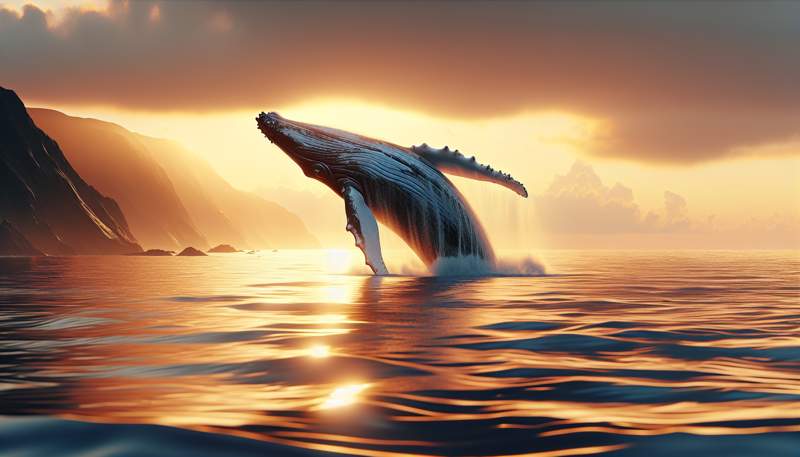
Whale Watching
5 featured places · 5 relevant species · responsible operator checklist
Is Whale Watching Right for You?
Whale watching can mean a short coastal boat trip, a shore-based migration watch, or several days at sea in a remote region. Success depends on choosing the right place and seasonal population, then accepting that wild whales control the encounter. A responsible trip values patient observation and interpretation over repeated close approaches. Species, migration timing, sea state, boat design, and local rules all affect the experience.
Timing the Trip
Match the destination to a named species and a locally documented seasonal movement, feeding period, or residency pattern. “Whale season” can cover months with very different encounter rates and weather. Ask operators which species are normally present, how sightings are recorded, when trips are cancelled for sea conditions, and whether another date is offered when no whales are seen.
What to Expect
- Searching time between sightings and an itinerary shaped by weather, visibility, and animal movement.
- Brief surfacing sequences where the guide’s positioning instructions help everyone see safely.
- Identification based on blows, fins, flukes, body shape, group behaviour, and location.
- Possible dolphins, seabirds, seals, turtles, or other marine life without any guaranteed species list.
How to Plan
Compare vessel size, passenger capacity, viewing decks, toilets, shade, seating, boarding method, trip length, and seasickness exposure. A fast small boat and a stable larger vessel serve different travellers. Bring layered wind protection and secure camera equipment; follow medical advice for motion sickness rather than waiting until the boat is moving. If photography matters, prioritise deck access and time on the water over claims of getting closest.
Build Your Wildlife TripResponsible Whale Watching
Look for operators that follow local approach distances, limit speed and direction changes near whales, avoid cutting across a travel path, and restrict the number of vessels around an animal. Calves, resting animals, feeding groups, and whales showing avoidance need extra space. Swimming, touching, drones, playback, and underwater noise may be restricted or inappropriate depending on species and jurisdiction.
Whale-watching fleets can contribute sightings and public support for marine protection, but fuel use, vessel strikes, underwater noise, crowding, and poor approach behaviour create real costs. Ask whether the operator participates in recognised local monitoring, reports entanglements, trains crew, and records wildlife interactions. Conservation language should be backed by operating practices on the water.
Understand Conservation ClaimsFeatured Whale Watching Destinations
Use each destination guide to compare seasons, wildlife, access, travel logistics, and relevant tour listings. Inclusion means the place fits this activity type; it is not an endorsement of every local operator.
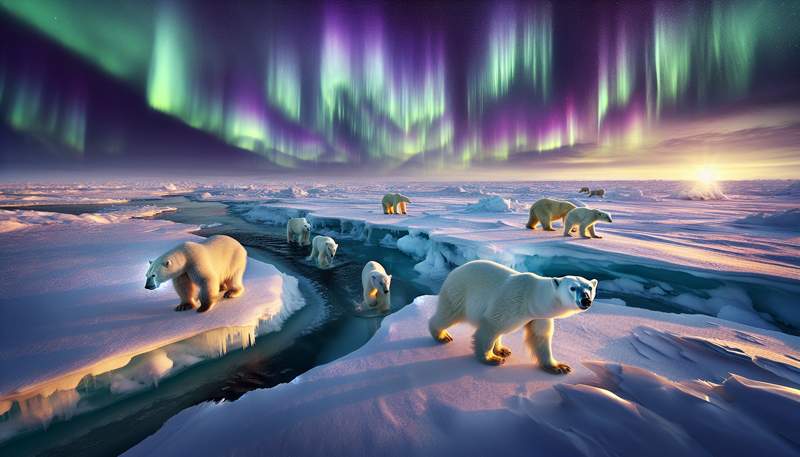
Churchill, Manitoba
Churchill is a remote Hudson Bay community reached by train or air, with no road connection to the wider Manitoba network. Autumn polar-bear viewing, summer…
Open destination guide →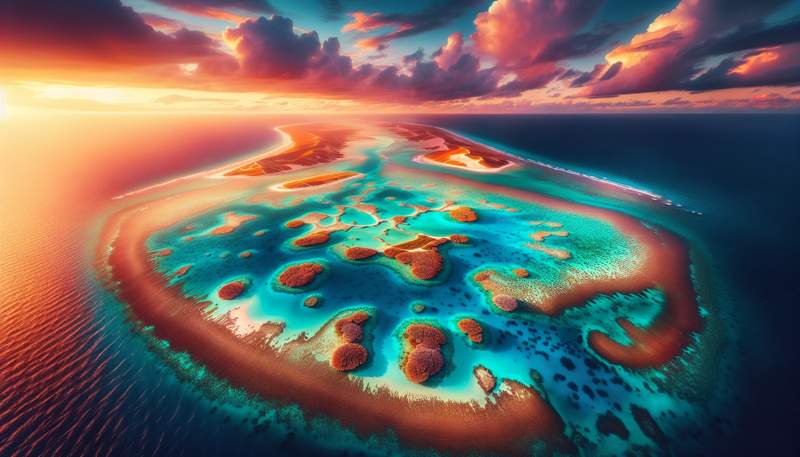
Ningaloo Reef
The Ningaloo Coast World Heritage property combines a near-shore coral reef, open ocean, beaches, Cape Range, and an arid coastline in remote Western…
Open destination guide →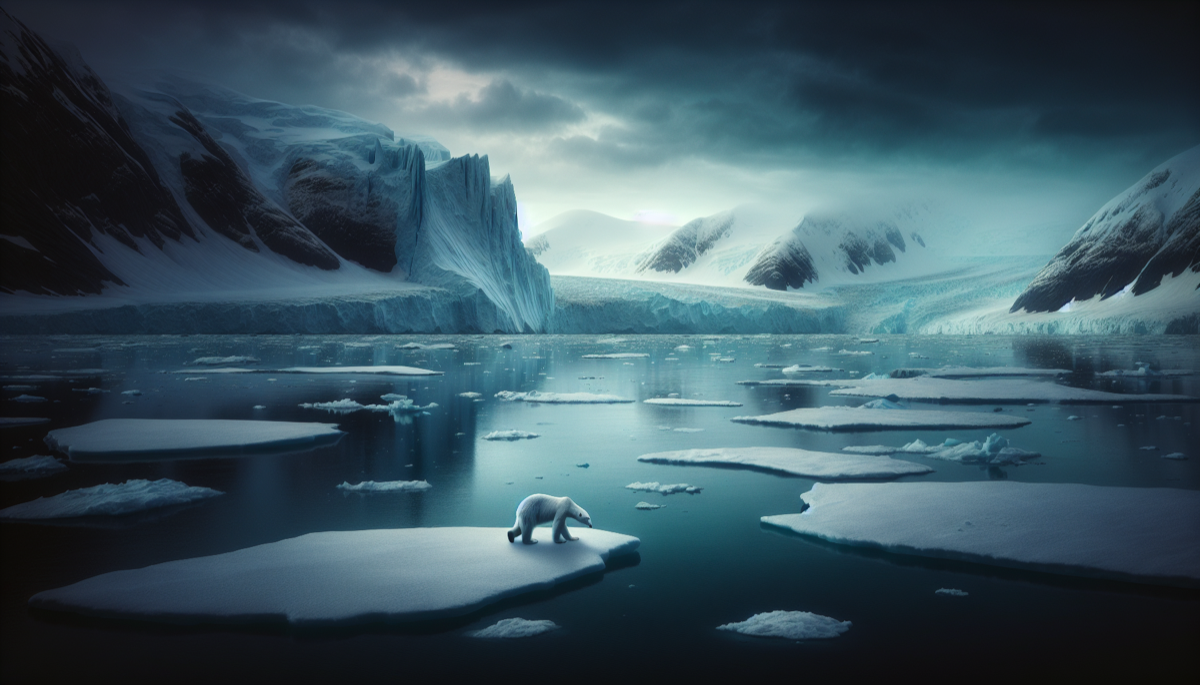
Svalbard
Svalbard is a Norwegian Arctic archipelago reached by most independent visitors through Longyearbyen. It rewards a route-first plan: a town-based stay can…
Open destination guide →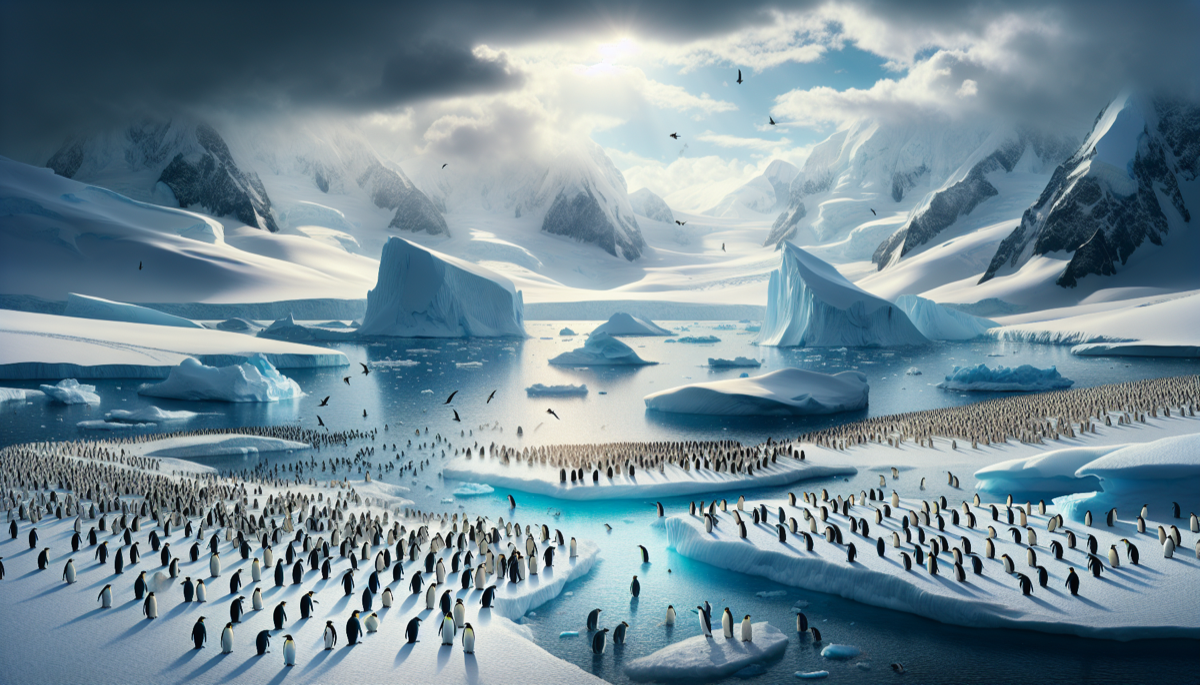
Antarctica
Antarctica is not one interchangeable cruise destination. Most visitors travel by expedition vessel to the Antarctic Peninsula during the austral visitor…
Open destination guide →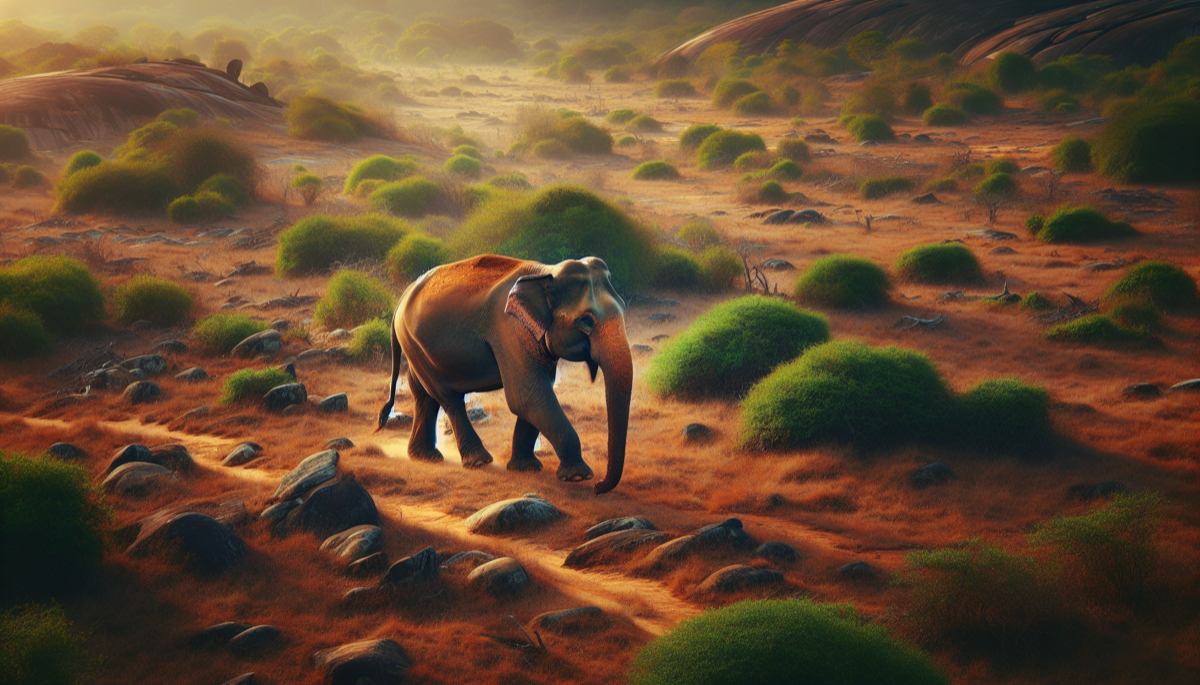
Sri Lanka
Sri Lanka is a compact island nation in the Indian Ocean that punches far above its weight as a wildlife destination. Despite its small size, the island…
Open destination guide →Animals You May Encounter
No species or behaviour is guaranteed. Open the animal guides for wild locations, habitat, seasonal context, safety, conservation status, and alternative places to look.
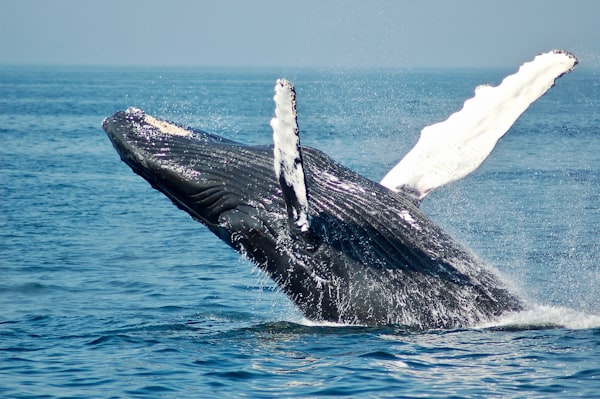
Humpback Whale
LCMegaptera novaeangliae
Open oceans, coastal waters
Where it lives →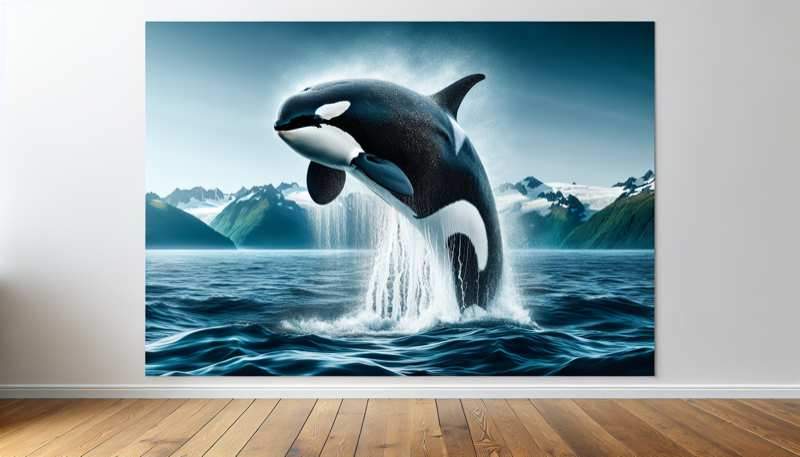
Orca (Killer Whale)
LCOrcinus orca
All oceans, from Arctic to Antarctic
Where it lives →
Bottlenose Dolphin
LCTursiops truncatus
Temperate and tropical oceans, coastal waters, estuaries
Where it lives →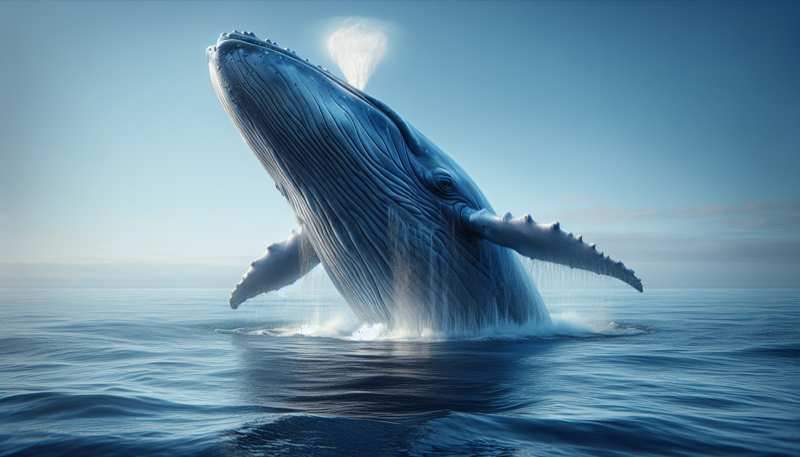
Blue Whale
ENBalaenoptera musculus
Open oceans worldwide, from polar to tropical waters
Where it lives →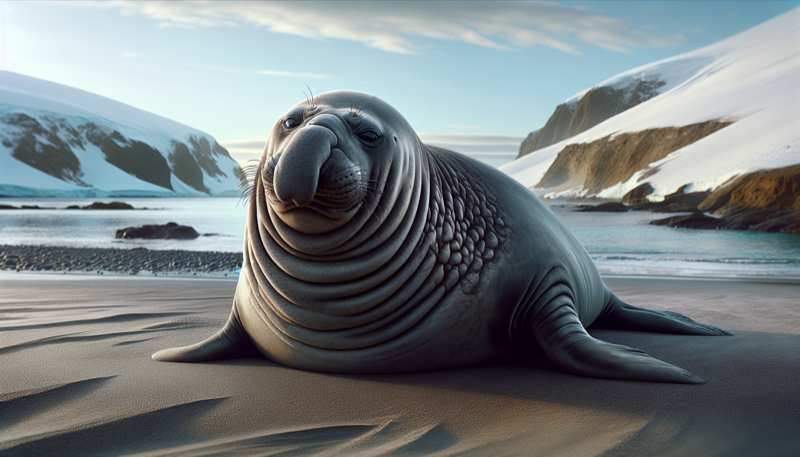
Southern Elephant Seal
LCMirounga leonina
Sub-Antarctic islands, Southern Ocean beaches
Where it lives →Explore by Country
Whale Watching Planning Guides
Compare destinations, itineraries, timing, costs, photography, and responsible choices in our related editorial guides.
Best Wildlife Destinations in Europe
Compare Andújar, Abruzzo, Białowieża, the Danube Delta, Isle of May, the Azores, and Svalbard by wildlife, access, safety, season, and trip fit.
Read guide →
Best Wildlife Destinations in North America
Compare Yellowstone, Denali, Churchill, the Everglades, Monterey Bay, Baja, and Corcovado by wildlife, access, season, safety, and trip fit.
Read guide →
Best Wildlife Destinations in Australia
Compare Kangaroo Island, Ningaloo, the Great Barrier Reef, Daintree, Kakadu, and Maria Island by wildlife, access, season, safety, and trip fit.
Read guide →Threatened Species and Independent Support
1 species connected to this experience is listed in our guides as Vulnerable, Endangered, or Critically Endangered: Blue Whale (Endangered).
Tourism can contribute through protected-area fees and local work, but it does not replace habitat protection or careful operator practice.
Explore Endangered AnimalsCompare Whale Watching Tours
Listings are supplied by an external booking partner. Confirm the exact location, wildlife policy, operator, itinerary, permits, recent reviews, availability, total price, and cancellation terms before booking.


Related Wildlife Experiences
Whale Shark Snorkeling
A whale shark swim is usually a boat-based snorkelling encounter in a place where seasonal feeding or movement makes sightings possible. The animal…
Compare the experience →Polar Wildlife Expeditions
Polar wildlife travel covers two different ends of the planet. Arctic trips may search for polar bears, walruses, whales, and tundra wildlife around…
Compare the experience →
Wildlife Photography Tours
A wildlife photography tour should improve access, fieldcraft, and learning without turning animal welfare into a competition for the closest frame.…
Compare the experience →