Where to See
Best Wildlife Destinations in Europe
Compare Andújar, Abruzzo, Białowieża, the Danube Delta, Isle of May, the Azores, and Svalbard by wildlife, access, safety, season, and trip fit.
Read guide →
6 animal guides · 3 destinations · ecology-led trip planning
Arctic tundra, sea ice, sub-Antarctic islands, and the Southern Ocean support animals adapted to cold, seasonal light, long migrations, and concentrated breeding sites. Access is expensive and weather-led, and small operational choices carry outsized environmental consequences.
Compare itinerary flexibility, guide ratio, landing practice, clothing, medical limits, and buffer days before cabin category. Ice and weather determine what is possible, so no responsible expedition can guarantee a particular landing or animal.
These guides represent different access styles and regions within the broader habitat. Check local seasonal information before booking.
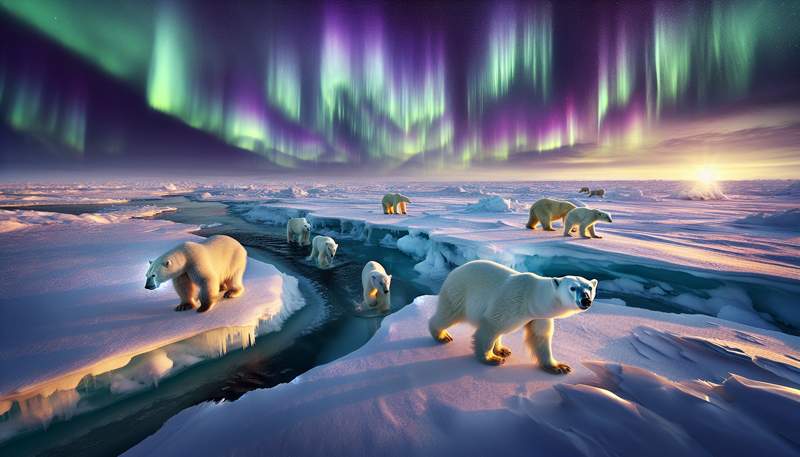
Churchill is a remote Hudson Bay community reached by train or air, with no road connection to the wider Manitoba network. Autumn polar-bear viewing, summer bel...
Plan a visit →Svalbard is a Norwegian Arctic archipelago reached by most independent visitors through Longyearbyen. It rewards a route-first plan: a town-based stay can combi...
Plan a visit →Antarctica is not one interchangeable cruise destination. Most visitors travel by expedition vessel to the Antarctic Peninsula during the austral visitor season...
Plan a visit →Species may use more than one habitat. Open any guide for its full range, wild locations, seasonal context, tours, zoos, and conservation status.

Orcinus orca
All oceans, from Arctic to Antarctic
Explore the species →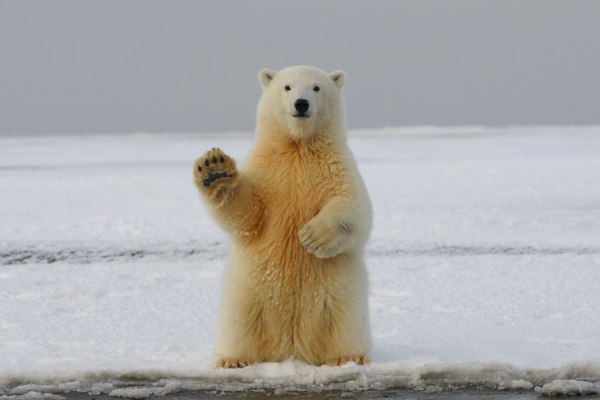
Ursus maritimus
Arctic sea ice, coastal tundra
Explore the species →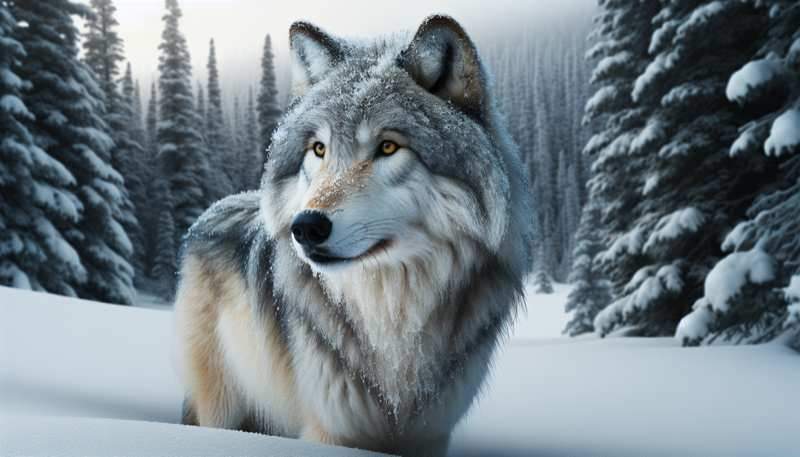
Canis lupus
Tundra, boreal and temperate forest, grassland, steppe, mountain, and some human-dominated landscapes where prey and tolerance permit
Explore the species →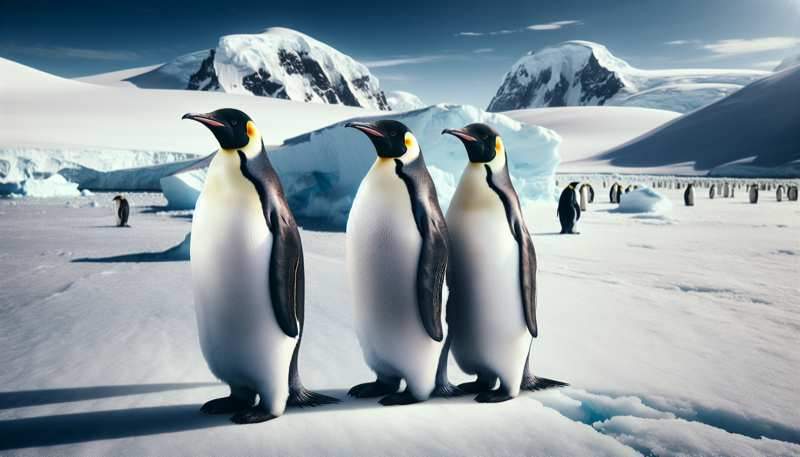
Aptenodytes forsteri
Antarctic coastal fast ice and the Southern Ocean; breeding and moult depend on suitable sea ice
Explore the species →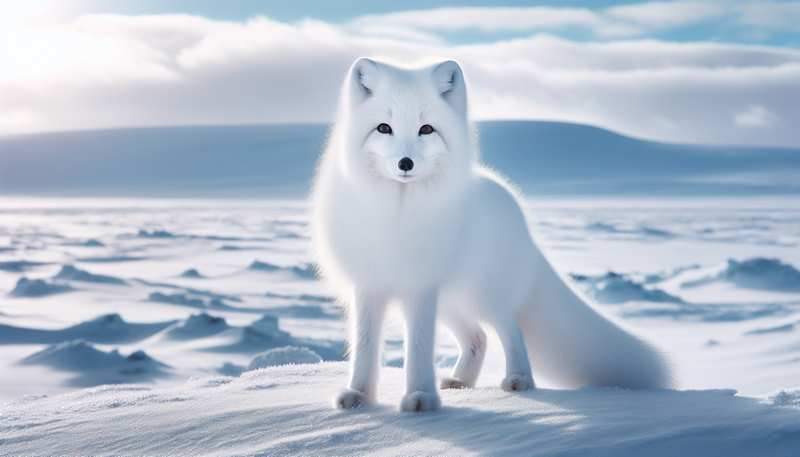
Vulpes lagopus
Arctic tundra, coastal areas, pack ice
Explore the species →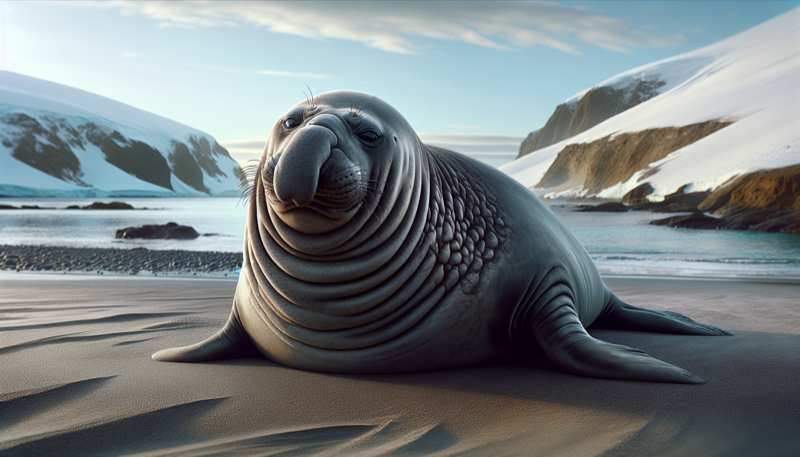
Mirounga leonina
Sub-Antarctic islands, Southern Ocean beaches
Explore the species →Activity guides connect the ecosystem to practical access, operator questions, wildlife welfare, and suitable destinations.
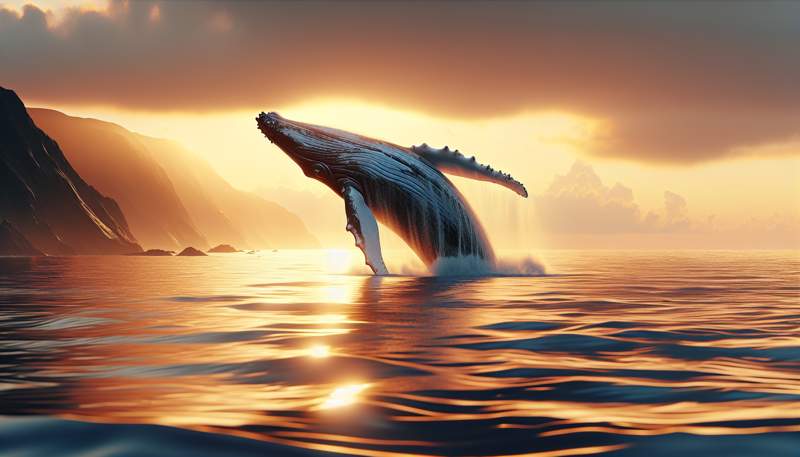
Whale watching can mean a short coastal boat trip, a shore-based migration watch, or several days at sea in a remote region. Success depends on…
Plan the experience →Polar wildlife travel covers two different ends of the planet. Arctic trips may search for polar bears, walruses, whales, and tundra wildlife…
Plan the experience →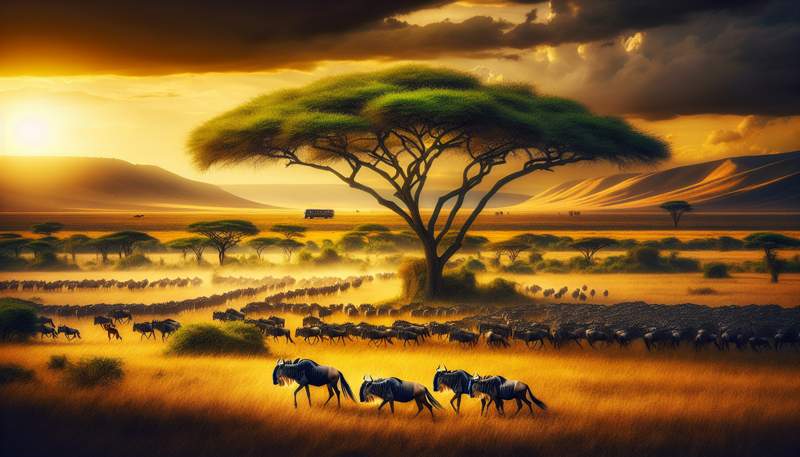
A wildlife photography tour should improve access, fieldcraft, and learning without turning animal welfare into a competition for the closest…
Plan the experience →Use these editorial guides to connect ecosystem knowledge with destinations, seasons, itineraries, photography, and responsible viewing.
Compare Andújar, Abruzzo, Białowieża, the Danube Delta, Isle of May, the Azores, and Svalbard by wildlife, access, safety, season, and trip fit.
Read guide →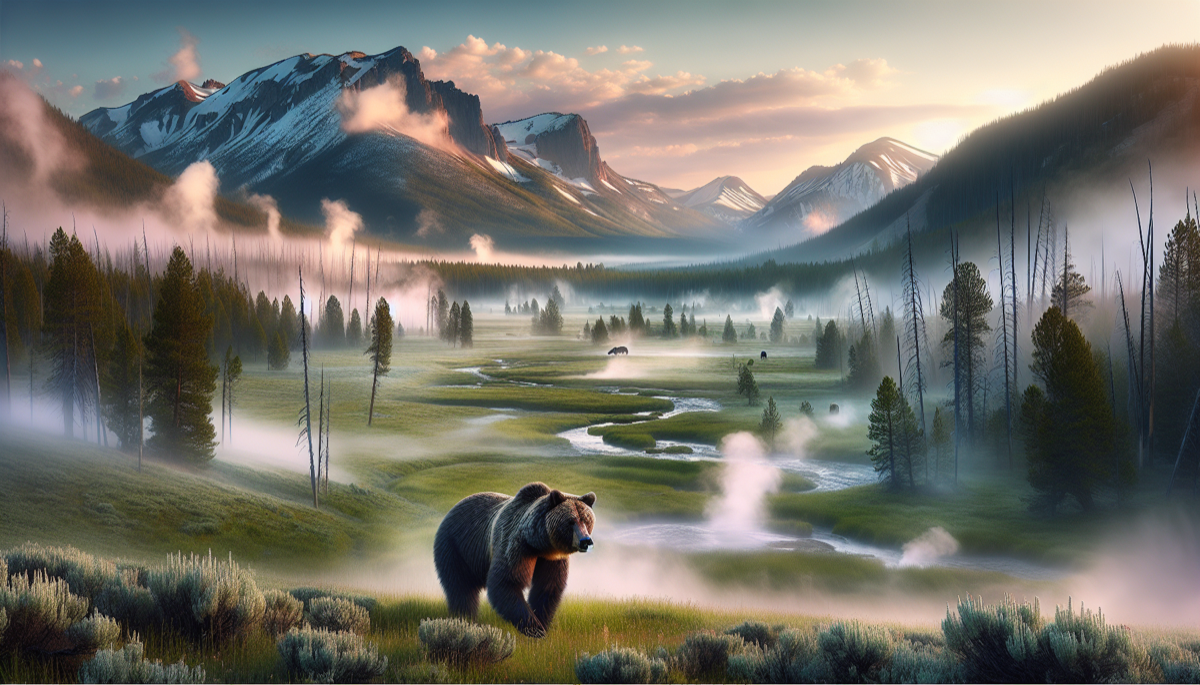
Compare Yellowstone, Denali, Churchill, the Everglades, Monterey Bay, Baja, and Corcovado by wildlife, access, season, safety, and trip fit.
Read guide →Compare Snow Hill, Antarctic Peninsula, and Ross Sea routes for emperor penguins, with access reality, expedition standards, safety, and alternatives.
Read guide →Rapid warming, sea-ice loss, fisheries, disturbance, shipping, pollution, and introduced species affect breeding, feeding, and migration at landscape scale.
2 threatened animals in this collection: Polar Bear (Globally Vulnerable; Canadian status varies by jurisdiction), Emperor Penguin (Endangered).
Explore Threatened Species