Polar Wildlife Expeditions
3 featured places · 6 relevant species · responsible operator checklist
Is Polar Wildlife Expeditions Right for You?
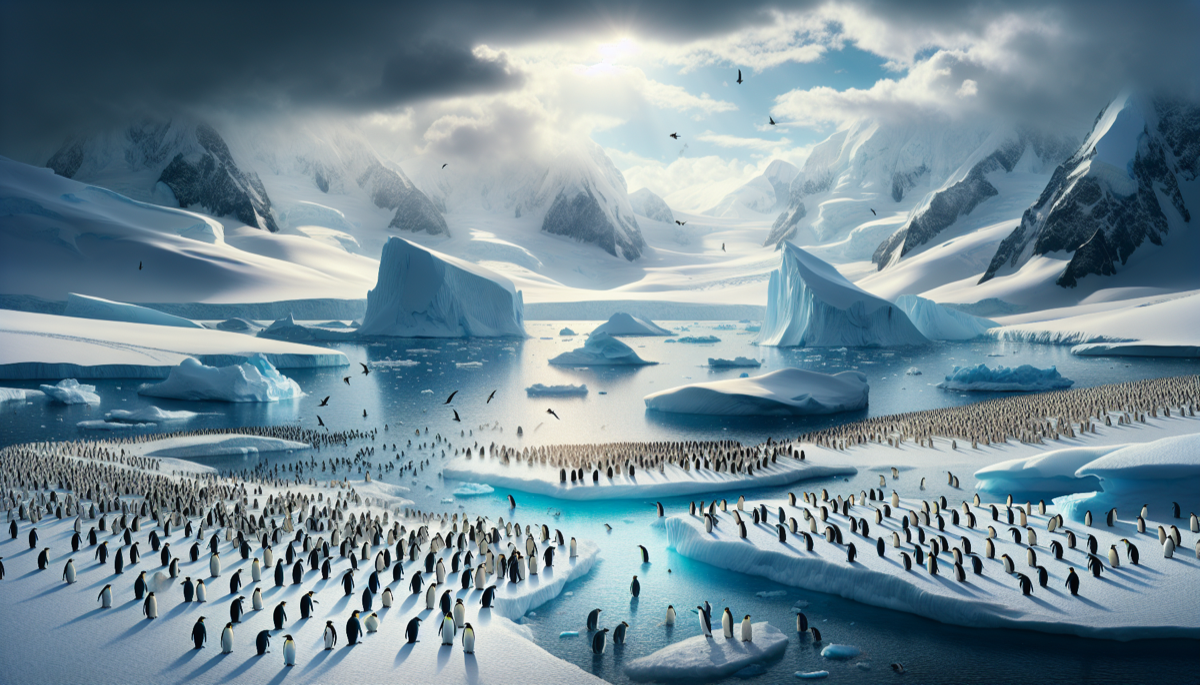
Polar wildlife travel covers two different ends of the planet. Arctic trips may search for polar bears, walruses, whales, and tundra wildlife around inhabited northern regions; Antarctic voyages focus on penguins, seals, seabirds, and whales in the Southern Ocean. Distance, weather, sea ice, permits, vessel operations, and emergency limits make these trips less flexible than an ordinary wildlife holiday.
Timing the Trip
Choose a region and ecological event before choosing a date. Sea ice, daylight, breeding cycles, migration, and vessel access change rapidly through a polar season. An operator should explain what is plausible in its specific window and avoid implying that every iconic species occurs on every itinerary. Build generous buffers around flights and onward connections.
What to Expect
- Daily plans rewritten around sea, wind, ice, wildlife, safety, and permissions.
- Wildlife viewed from ships, small boats, vehicles, or shore under different distance rules.
- Mandatory briefings covering clothing, biosecurity, landing behaviour, and emergency limitations.
- Long travel days and quiet observation periods balanced by rare, sometimes brief encounters.
How to Plan
Compare the route, vessel passenger count, ice capability, expedition staff, landing method, medical provision, evacuation reality, included equipment, and insurance requirements. Read the itinerary as an intention rather than a promise: wind, ice, wildlife, and authorities determine daily operations. Ask how many people can go ashore or into small boats at once and what alternative activities exist when a landing is not possible.
Build Your Wildlife TripResponsible Polar Wildlife Expeditions
Follow all biosecurity cleaning, landing, distance, group, and guide instructions. Never walk between an animal and the sea, crowd a colony edge, approach a den, or leave the marked group to improve a photograph. On vessels, support strict speed and wildlife-watch procedures. Drones, food, seeds, soil, and unsecured equipment can create risks far beyond the individual encounter.
Polar tourism has a large transport footprint and enters ecosystems already changing quickly. Evaluate voyage length, route efficiency, fuel and waste reporting, carbon claims, scientific support, and membership of relevant operator bodies. Citizen-science participation can be valuable but does not cancel emissions or disturbance; the most credible operators describe both contributions and impacts plainly.
Understand Conservation ClaimsFeatured Polar Wildlife Expeditions Destinations
Use each destination guide to compare seasons, wildlife, access, travel logistics, and relevant tour listings. Inclusion means the place fits this activity type; it is not an endorsement of every local operator.
Churchill, Manitoba
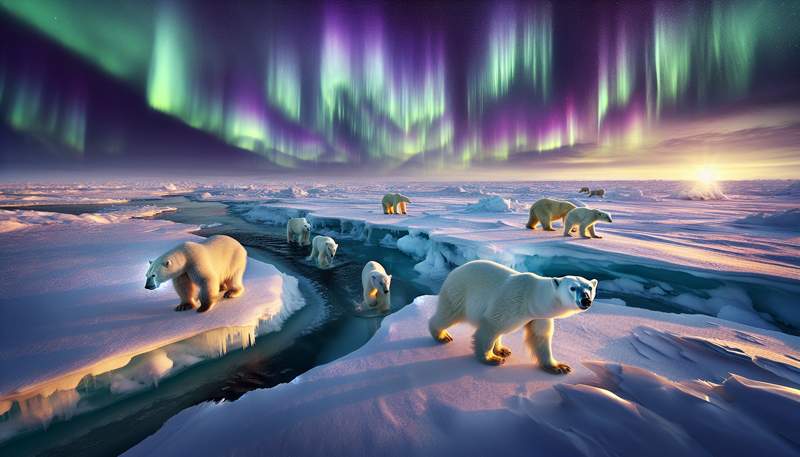
Churchill is a remote Hudson Bay community reached by train or air, with no road connection to the wider Manitoba network. Autumn polar-bear viewing, summer…
Open destination guide →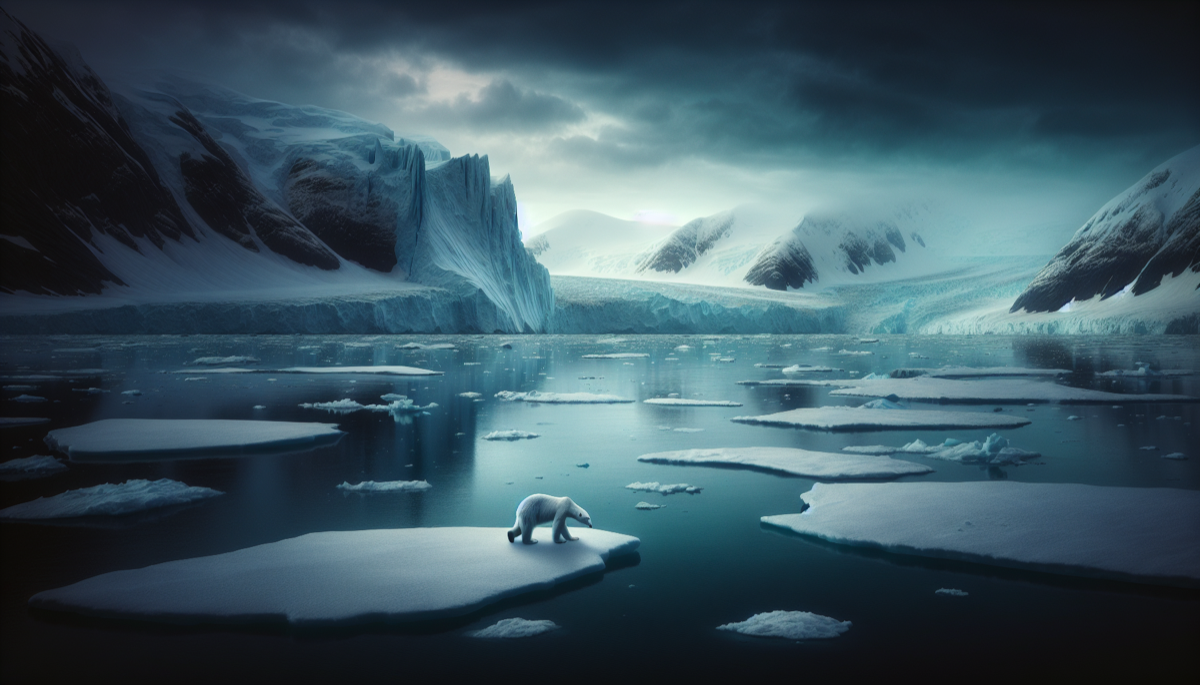
Svalbard
Svalbard is a Norwegian Arctic archipelago reached by most independent visitors through Longyearbyen. It rewards a route-first plan: a town-based stay can…
Open destination guide →Antarctica
Antarctica is not one interchangeable cruise destination. Most visitors travel by expedition vessel to the Antarctic Peninsula during the austral visitor…
Open destination guide →Animals You May Encounter
No species or behaviour is guaranteed. Open the animal guides for wild locations, habitat, seasonal context, safety, conservation status, and alternative places to look.
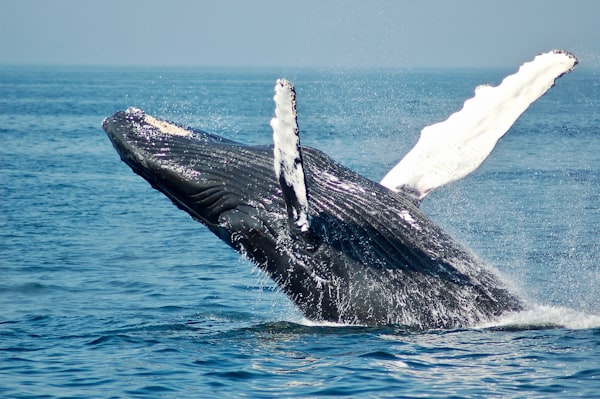
Humpback Whale
LCMegaptera novaeangliae
Open oceans, coastal waters
Where it lives →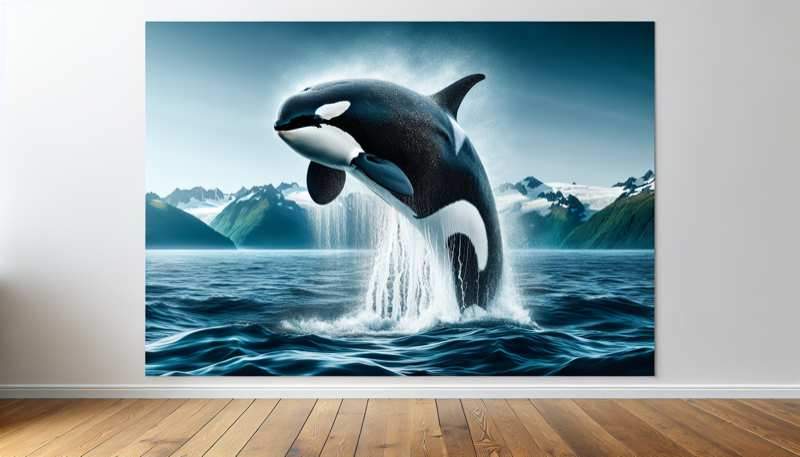
Orca (Killer Whale)
LCOrcinus orca
All oceans, from Arctic to Antarctic
Where it lives →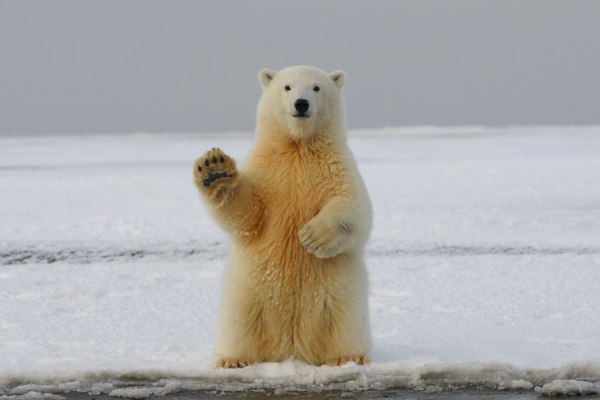
Polar Bear
VUUrsus maritimus
Arctic sea ice, coastal tundra
Where it lives →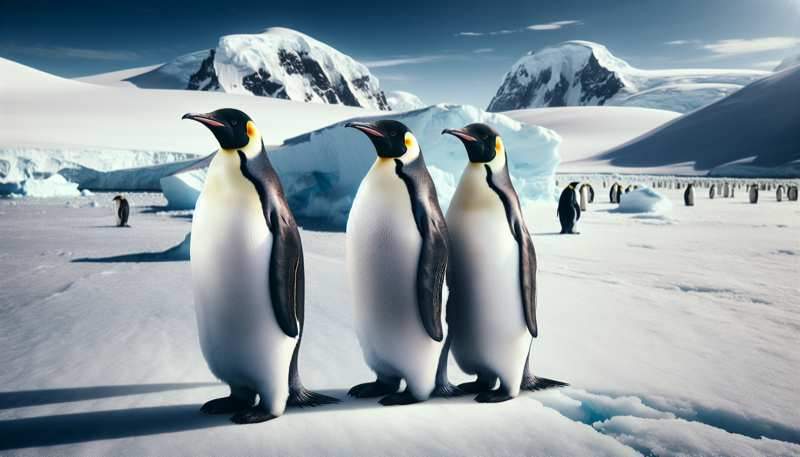
Emperor Penguin
ENAptenodytes forsteri
Antarctic coastal fast ice and the Southern Ocean; breeding and moult depend on suitable sea ice
Where it lives →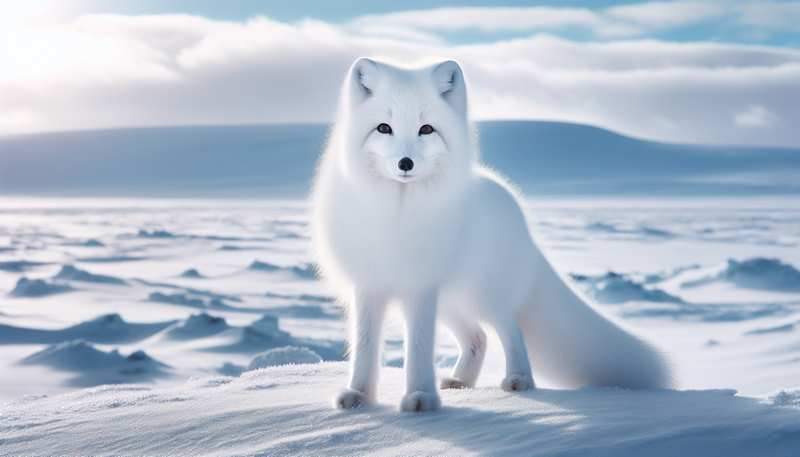
Arctic Fox
LCVulpes lagopus
Arctic tundra, coastal areas, pack ice
Where it lives →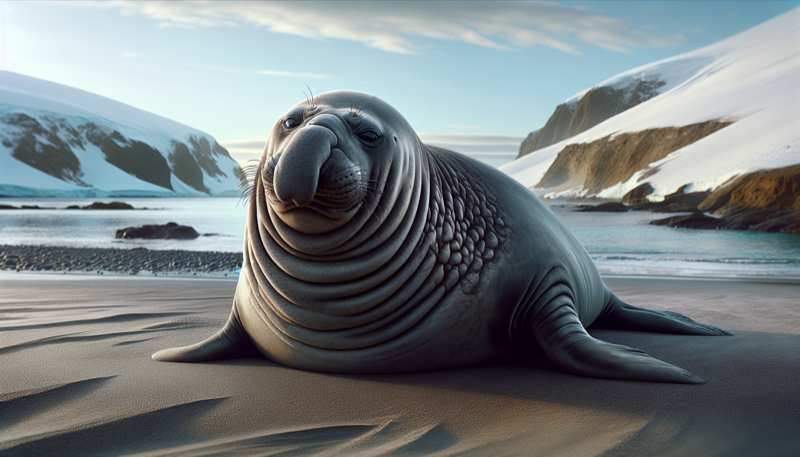
Southern Elephant Seal
LCMirounga leonina
Sub-Antarctic islands, Southern Ocean beaches
Where it lives →Polar Wildlife Expeditions Planning Guides
Compare destinations, itineraries, timing, costs, photography, and responsible choices in our related editorial guides.
Best Wildlife Destinations in Europe
Compare Andújar, Abruzzo, Białowieża, the Danube Delta, Isle of May, the Azores, and Svalbard by wildlife, access, safety, season, and trip fit.
Read guide →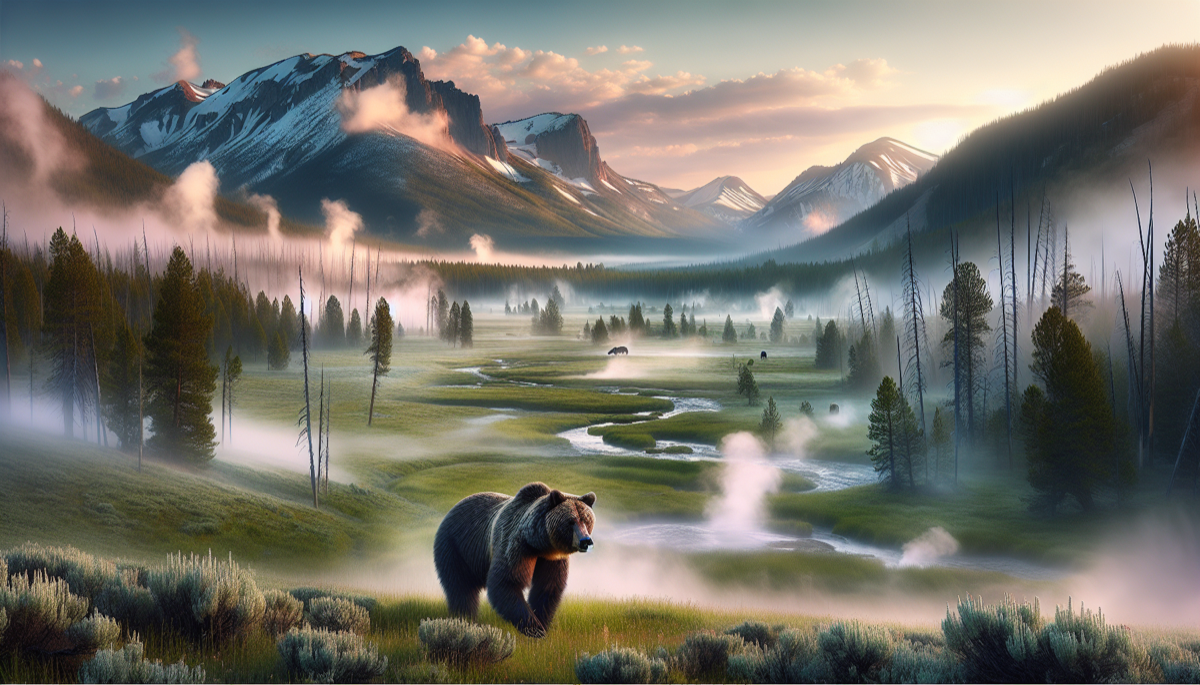
Best Wildlife Destinations in North America
Compare Yellowstone, Denali, Churchill, the Everglades, Monterey Bay, Baja, and Corcovado by wildlife, access, season, safety, and trip fit.
Read guide →Where to See Emperor Penguins
Compare Snow Hill, Antarctic Peninsula, and Ross Sea routes for emperor penguins, with access reality, expedition standards, safety, and alternatives.
Read guide →Threatened Species and Independent Support
2 species connected to this experience are listed in our guides as Vulnerable, Endangered, or Critically Endangered: Polar Bear (Globally Vulnerable; Canadian status varies by jurisdiction), Emperor Penguin (Endangered).
Tourism can contribute through protected-area fees and local work, but it does not replace habitat protection or careful operator practice.
Explore Endangered AnimalsCompare Polar Wildlife Expeditions Tours
Listings are supplied by an external booking partner. Confirm the exact location, wildlife policy, operator, itinerary, permits, recent reviews, availability, total price, and cancellation terms before booking.

Guided Polar Bear Walk incl. Polaria & Polar Museum
3 hours
Private Shackleton and Wildlife Tour in the Falkland Islands
4 hours
Arctic Polar Bear Adventure with Lunch in Rovaniemi!
5h 30mRelated Wildlife Experiences
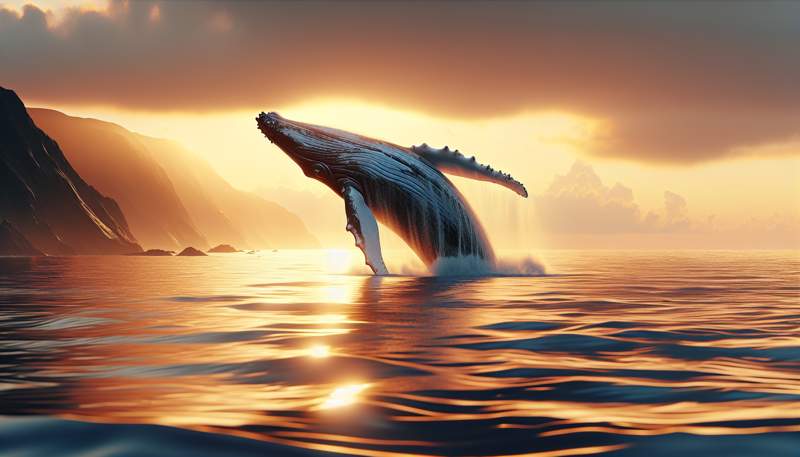
Whale Watching
Whale watching can mean a short coastal boat trip, a shore-based migration watch, or several days at sea in a remote region. Success depends on…
Compare the experience →
Wildlife Photography Tours
A wildlife photography tour should improve access, fieldcraft, and learning without turning animal welfare into a competition for the closest frame.…
Compare the experience →
Safari Game Drives
A game drive uses a vehicle to explore protected landscapes with a guide or, where rules allow, as a self-drive visitor. It is the most accessible…
Compare the experience →