River and Boat Safaris
5 featured places · 5 relevant species · responsible operator checklist
Is River and Boat Safaris Right for You?
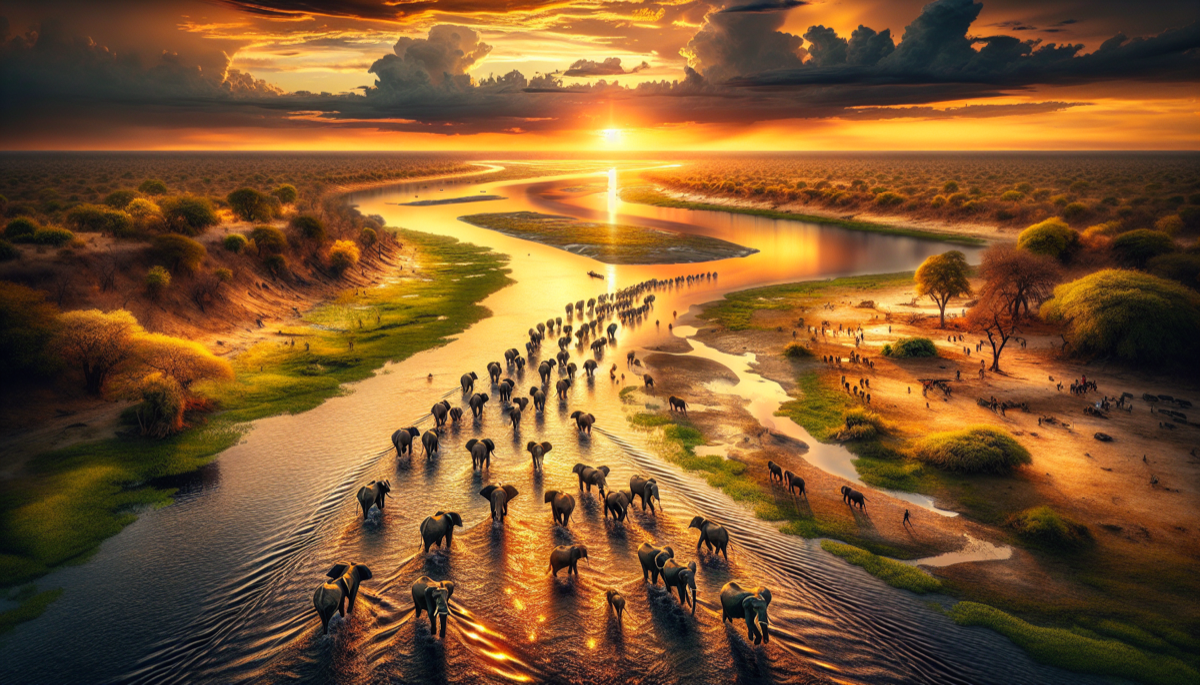
River and wetland safaris reveal wildlife that roads cannot reach. Trips range from quiet canoe or mokoro outings to motorboat searches for elephants, hippos, jaguars, primates, dolphins, and waterbirds. Being low on the water changes sight lines and sound, but it also introduces current, weather, wildlife, and vessel-safety considerations that a land safari does not have.
Timing the Trip
Water level changes access, current, wildlife concentration, vegetation, and which craft can operate. A dry-season concentration may be excellent in one river system, while seasonal flooding creates the defining experience in another. Ask about the exact waterway, recent conditions, departure time, and whether heavy rain or low water changes the route.
What to Expect
- Changing visibility around bends, reeds, islands, banks, and flooded forest rather than a fixed route.
- Close-to-water views of tracks, feeding behaviour, crossings, and species missed from a vehicle.
- A quiet pace interrupted by current, weather, navigation, or an animal requiring more space.
- Strict instructions about weight distribution, hands and feet, boarding, and movement within the craft.
How to Plan
Confirm craft type, passenger count, shade, flotation equipment, dry storage, toilet access, transfer method, and the guide’s boat-handling qualifications. Travellers with limited mobility should ask for photographs or measurements of the boarding setup rather than relying on “easy access.” Carry only secured essentials and use straps that cannot trail in the water or obstruct an exit.
Build Your Wildlife TripResponsible River and Boat Safaris
Operators should slow down near banks and animals, avoid separating groups, give nesting and resting sites space, and never use the boat to force an animal into open view. Do not ask a guide to approach hippos, crocodiles, swimming elephants, river dolphins, or shore wildlife more closely. Keep noise low and prevent any food, plastic, fuel, or equipment entering the water.
Wetlands connect wildlife, fisheries, farms, and communities, so a boat trip operates in a living shared landscape. Look for local guiding, legal access, waste and fuel controls, and respect for fishing and community routes. Claims that tourism protects a river should be supported by park fees, community partnerships, monitoring, or specific habitat work.
Understand Conservation ClaimsFeatured River and Boat Safaris Destinations
Use each destination guide to compare seasons, wildlife, access, travel logistics, and relevant tour listings. Inclusion means the place fits this activity type; it is not an endorsement of every local operator.
Pantanal
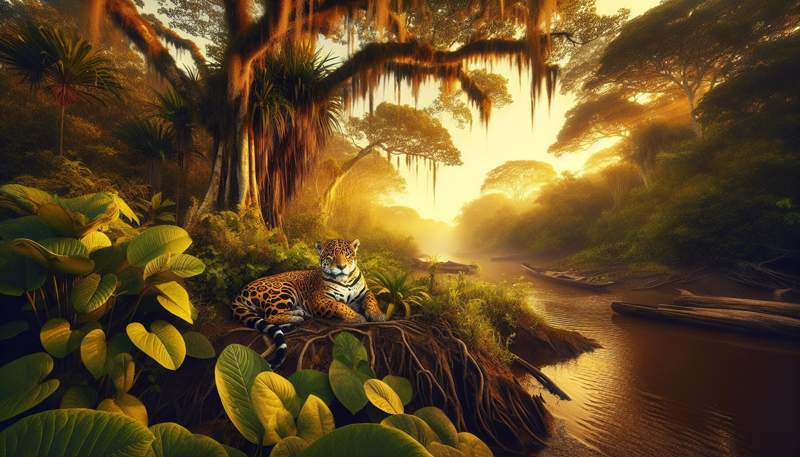
The Pantanal is one of the world's largest freshwater wetland systems, spanning a complex seasonal landscape in Brazil, Bolivia, and Paraguay. Most…
Open destination guide →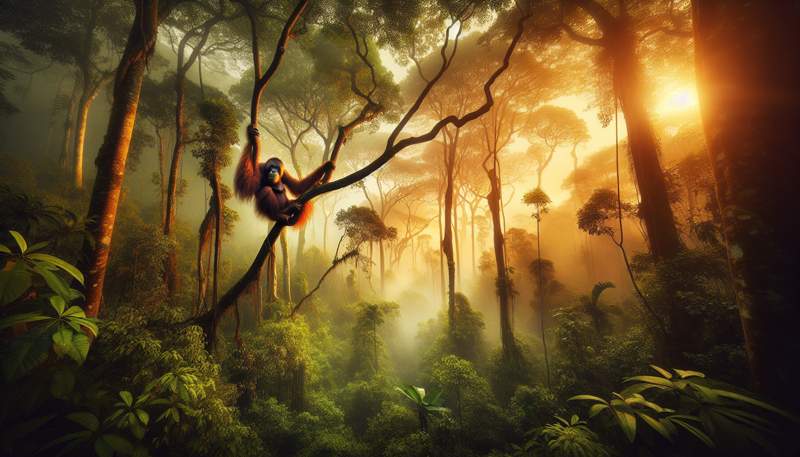
Borneo
Borneo is a large island divided among Malaysia, Indonesia, and Brunei, not one destination with a shared visa, currency, airport, wildlife route, or visitor…
Open destination guide →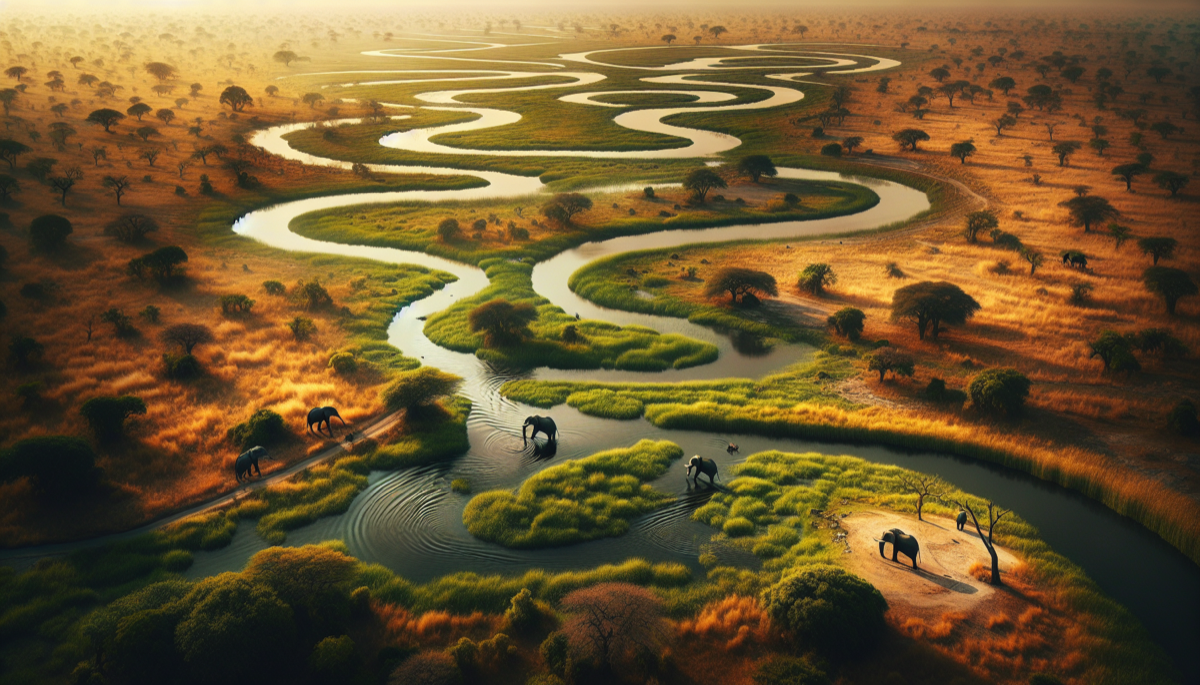
Okavango Delta
The Okavango Delta is one of the world's largest inland deltas and a UNESCO World Heritage Site, where the Okavango River fans out across the Kalahari Desert…
Open destination guide →Chobe National Park
Chobe National Park in northern Botswana is home to the largest elephant population in Africa, with an estimated 120,000 elephants moving through the park and…
Open destination guide →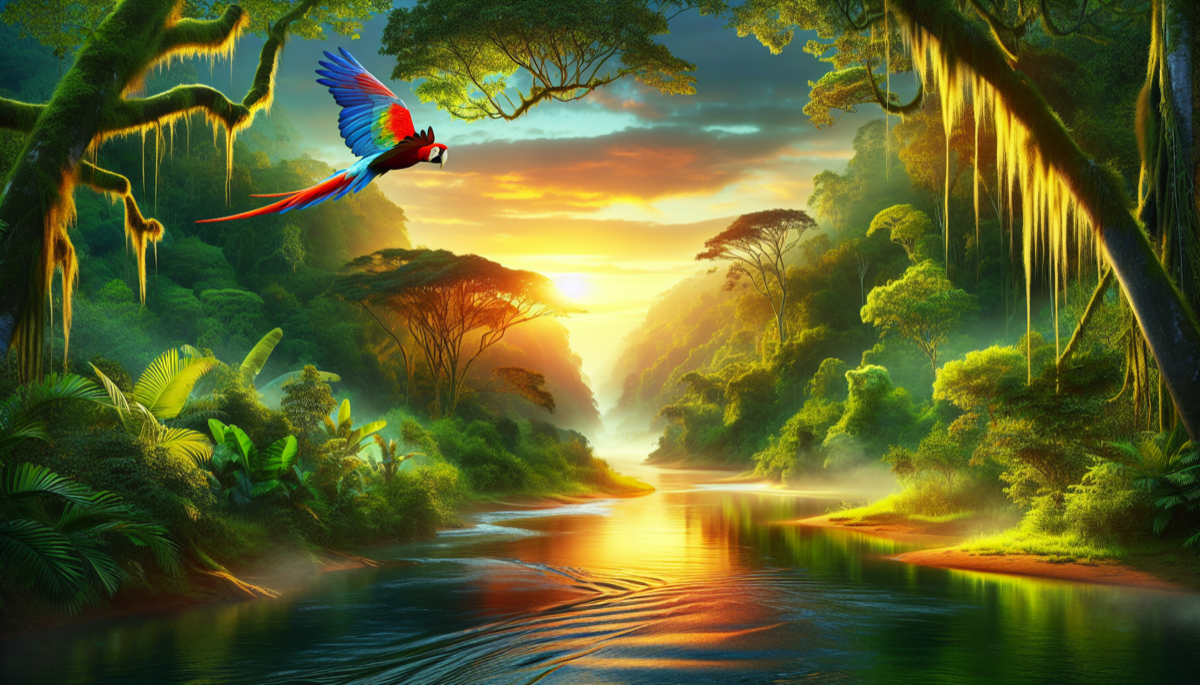
Amazon Rainforest
The Amazon is a vast multi-country biome, not one destination reached interchangeably from Manaus or Iquitos. A useful wildlife trip starts with a named…
Open destination guide →Animals You May Encounter
No species or behaviour is guaranteed. Open the animal guides for wild locations, habitat, seasonal context, safety, conservation status, and alternative places to look.
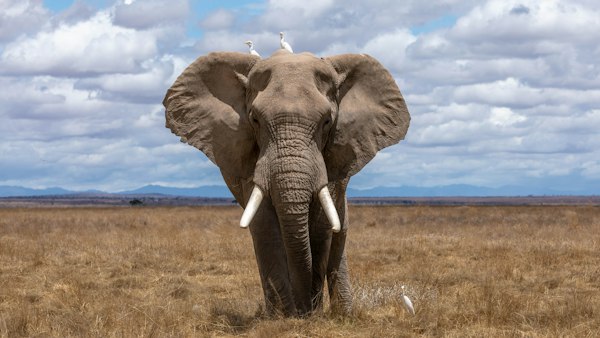
African Elephant
ENLoxodonta africana
Savanna, forest, desert, marshland
Where it lives →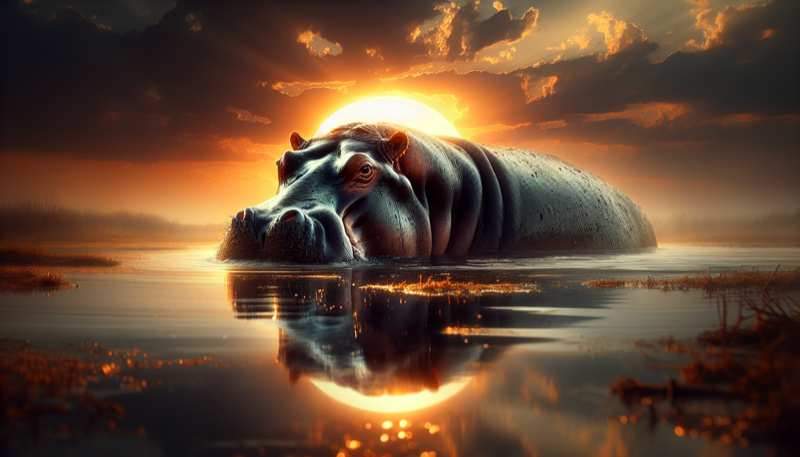
Hippopotamus
VUHippopotamus amphibius
Rivers, lakes, wetlands
Where it lives →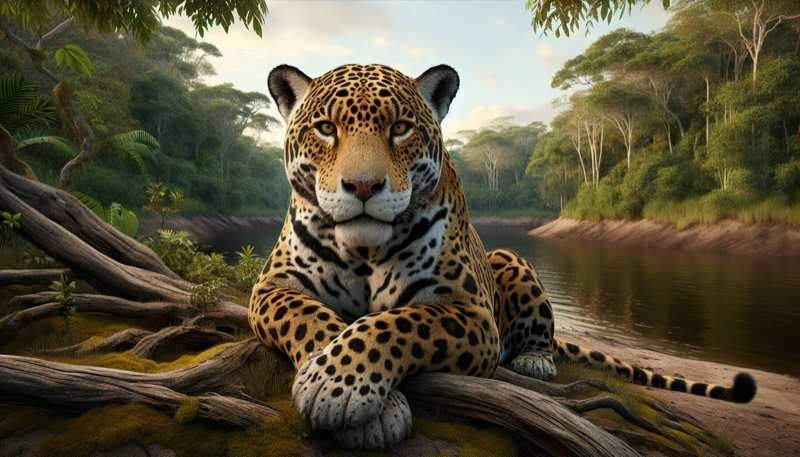
Jaguar
NTPanthera onca
Tropical rainforest, wetlands, grassland
Where it lives →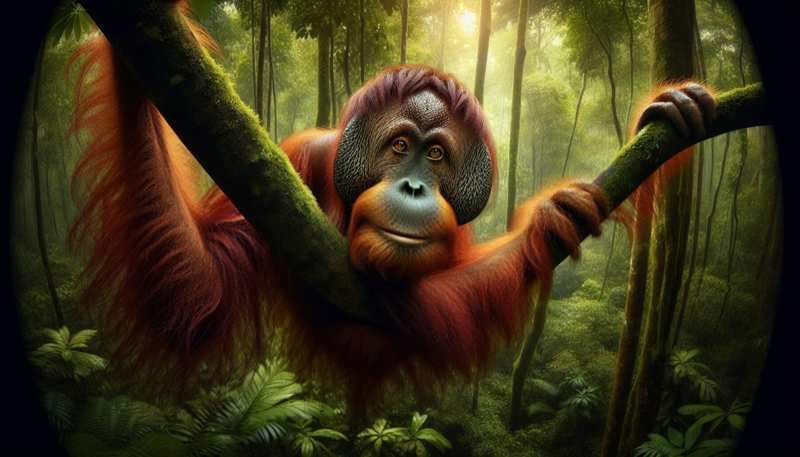
Orangutan
CRPongo pygmaeus, Pongo abelii, and Pongo tapanuliensis
Lowland, peat-swamp, riverine, hill, and montane forests in Borneo and northern Sumatra, with species- and population-specific ranges
Where it lives →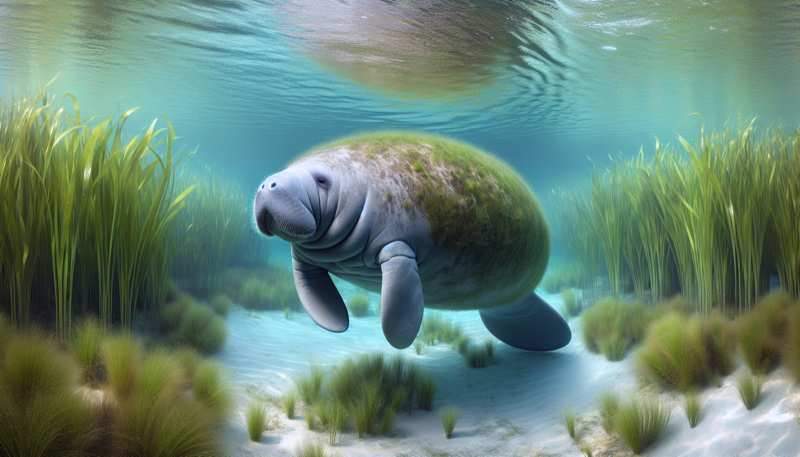
Manatee
VUTrichechus manatus
Warm coastal waters, rivers, estuaries, springs
Where it lives →Explore by Country
River and Boat Safaris Planning Guides
Compare destinations, itineraries, timing, costs, photography, and responsible choices in our related editorial guides.
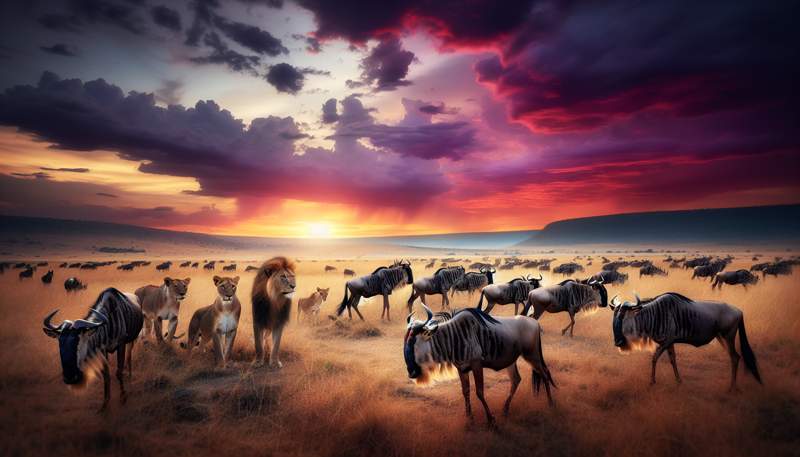
Best Safari Destinations for Wildlife Photographers
Compare safari destinations for photography by light, habitat, vehicle position, wildlife behaviour, guide skill, hides, crowding, and seasonal conditions.
Read guide →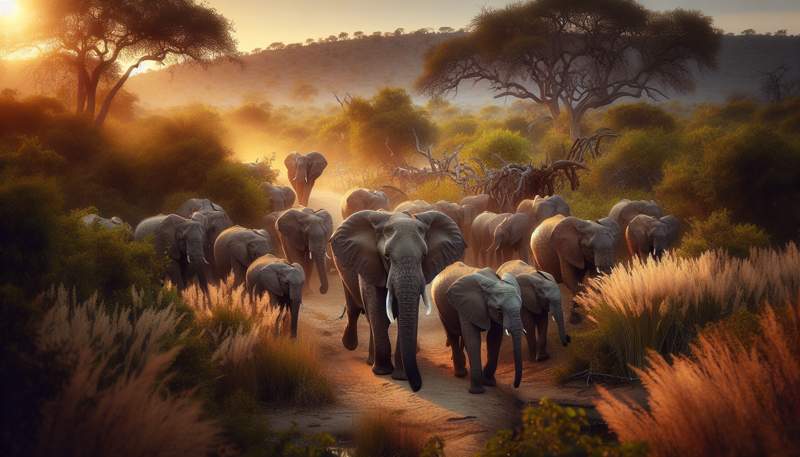
Is It Safe to Self-Drive in Kruger National Park?
Everything you need to know about self-driving in Kruger National Park. Road conditions, wildlife safety, gate times, and tips for a safe and rewarding experience.
Read guide →Okavango Delta vs Kruger: Which Safari Should You Choose?
A detailed comparison of two iconic safari destinations. Cost, wildlife density, exclusivity, self-drive options, and the overall experience compared side by side.
Read guide →Threatened Species and Independent Support
4 species connected to this experience are listed in our guides as Vulnerable, Endangered, or Critically Endangered: African Elephant (Endangered), Hippopotamus (Vulnerable), Orangutan (All three species are Critically Endangered), Manatee (Vulnerable).
Tourism can contribute through protected-area fees and local work, but it does not replace habitat protection or careful operator practice.
Explore Endangered AnimalsCompare River and Boat Safaris Tours
Listings are supplied by an external booking partner. Confirm the exact location, wildlife policy, operator, itinerary, permits, recent reviews, availability, total price, and cancellation terms before booking.

La Fortuna: Peñas Blancas River Wildlife Safari Float Tour
3h 30m
Wildlife & Nature River Safari Float on Peñas Blancas Half-Day
5 hours
Bentota River Safari By BTM (Mangrove & Wildlife Encounter)
2 hours
Solar Whisper Daintree River Crocodile and Wildlife Cruise
1 hour
Palo Verde Boat Safari + Coffee & Culture – Wildlife & Flavor
6 hours
Wildlife Safari Float by Kayak in Peñas Blancas River from Arenal
4 hoursRelated Wildlife Experiences
Safari Game Drives
A game drive uses a vehicle to explore protected landscapes with a guide or, where rules allow, as a self-drive visitor. It is the most accessible…
Compare the experience →
Rainforest Wildlife Tours
Rainforest wildlife trips reward attention to sound, movement, tracks, fruit, and forest layers more than long-distance vistas. A guide may locate…
Compare the experience →
Wildlife Photography Tours
A wildlife photography tour should improve access, fieldcraft, and learning without turning animal welfare into a competition for the closest frame.…
Compare the experience →