Maui, Hawaii
Dec-AprOne of the world's premier humpback whale watching destinations.
9 animals · 2 destination guides · responsible ways to visit
The United States has wildlife routes through national parks, Arctic tundra, wetlands, deserts, forests, mountains, islands, and extensive coastlines. Yellowstone and Alaska are major draws, but regional refuges and marine sanctuaries broaden the possibilities.
Reserve high-demand park entry, accommodation, or transport early where required, then allow several viewing windows. Road closures, wildfire, snow, and animal movement can all change a day plan.
Compare the animals, seasonal context, travel logistics, experiences, and booking links in each destination guide.
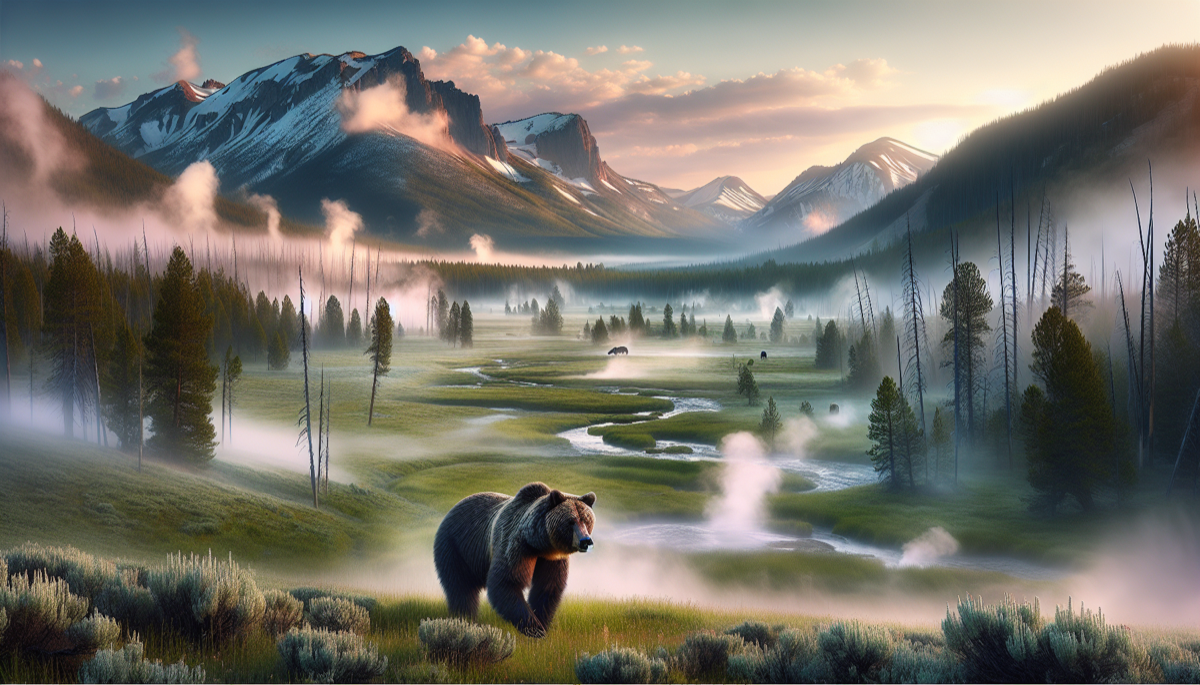
Yellowstone National Park is America's first and most famous national park, established in 1872 across 8,983 km2 of volcanic plateau in Wyoming, Montana, and Id...
Plan a visit →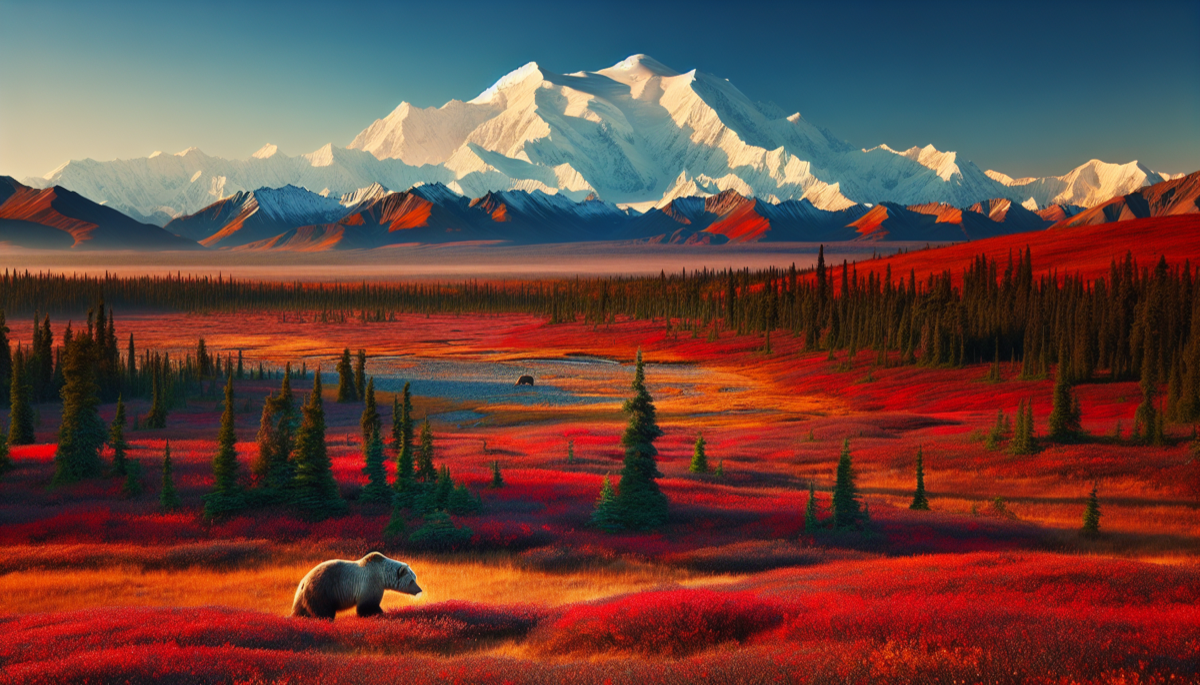
Denali National Park and Preserve in central Alaska encompasses 24,585 km2 of subarctic wilderness dominated by North America's tallest peak, Denali (formerly M...
Plan a visit →These field locations are referenced by our animal guides. Viewing windows are approximate and should be checked locally before booking.
One of the world's premier humpback whale watching destinations.
Resident orca pods in the Salish Sea (though populations are declining).
Kona’s specialist night snorkel and dive route uses light to concentrate naturally occurring plankton at established reef-manta feeding sites. Hawaiʻi authorities have documented crowding and safety concerns, and a manta-specific rule package remains listed as draft. Compare vessel control, guide ratios, central viewing position, flotation, diver separation, and the operator’s current permits.
Florida's Gulf Coast offers reliable year-round dolphin sightings from boats and shore.
Blue whales feed in the nutrient-rich waters of this marine sanctuary during summer.
Home to Brooks Falls — the most famous bear-viewing spot on Earth. Watch bears catch leaping salmon.
Iconic park with grizzly bears in the Lamar and Hayden valleys.
A summer bus journey can produce an opportunistic wolf sighting within a wider Alaska wildlife day, but annual pack movement makes sightings unpredictable. The park road was limited to Mile 43 at the July 2026 review.
Up to 4,000 bald eagles gather here each November for the late salmon run — the largest gathering on Earth.
Dense concentrations of bald eagles along Kachemak Bay.
The only place in Florida where you can legally swim with wild manatees. Hundreds gather in warm springs during winter.
Up to 700 manatees gather here during winter — view from boardwalks above crystal-clear water.
Open a species guide for habitat, wild locations, seasonal context, safety, photography, tours, zoos, and conservation status.
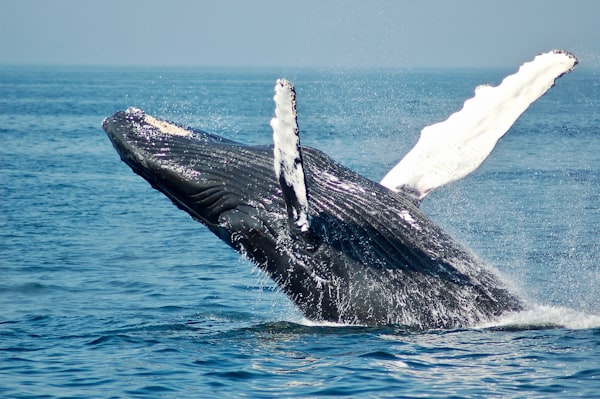
Megaptera novaeangliae
Open oceans, coastal waters
Where to see →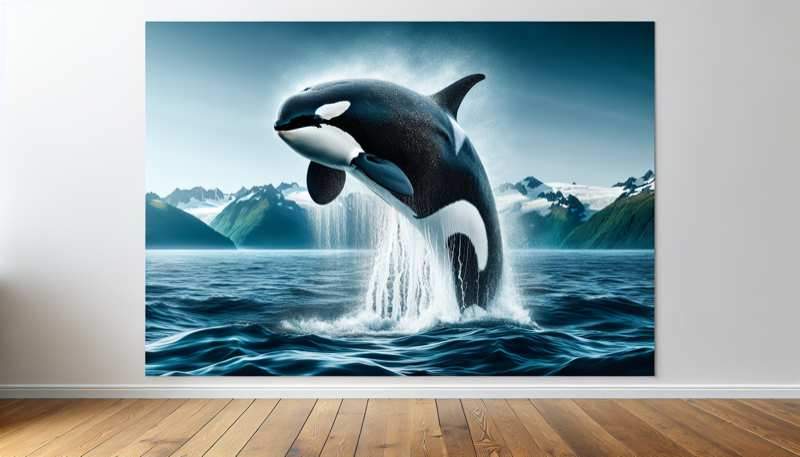
Orcinus orca
All oceans, from Arctic to Antarctic
Where to see →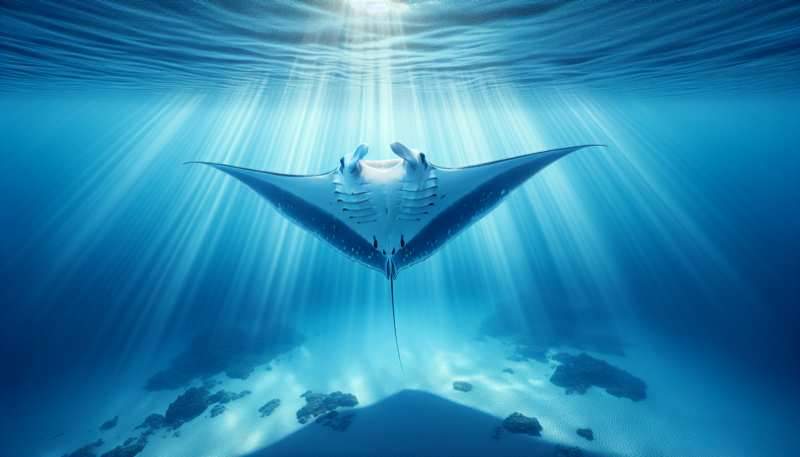
Mobula alfredi and Mobula birostris
Productive tropical, subtropical, and warm-temperate seas, including reef cleaning stations, coastal feeding areas, island slopes, and open ocean
Where to see →
Tursiops truncatus
Temperate and tropical oceans, coastal waters, estuaries
Where to see →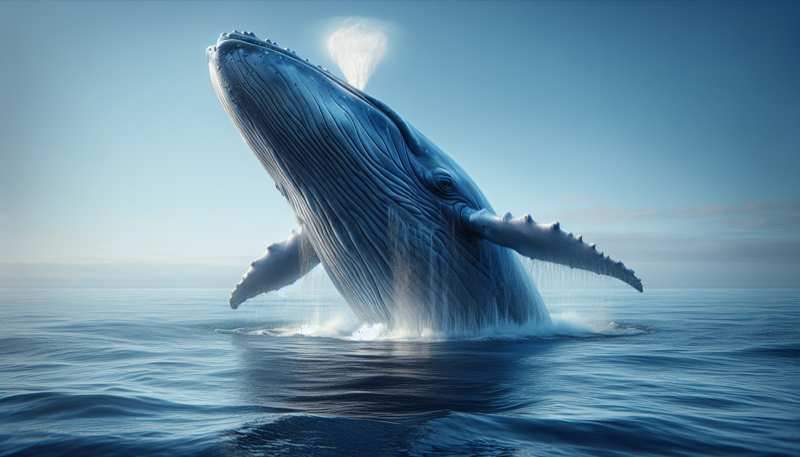
Balaenoptera musculus
Open oceans worldwide, from polar to tropical waters
Where to see →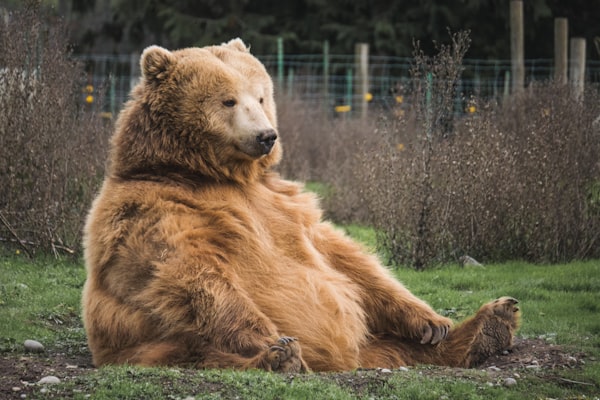
Ursus arctos horribilis
Forests, alpine meadows, river valleys, coastal areas
Where to see →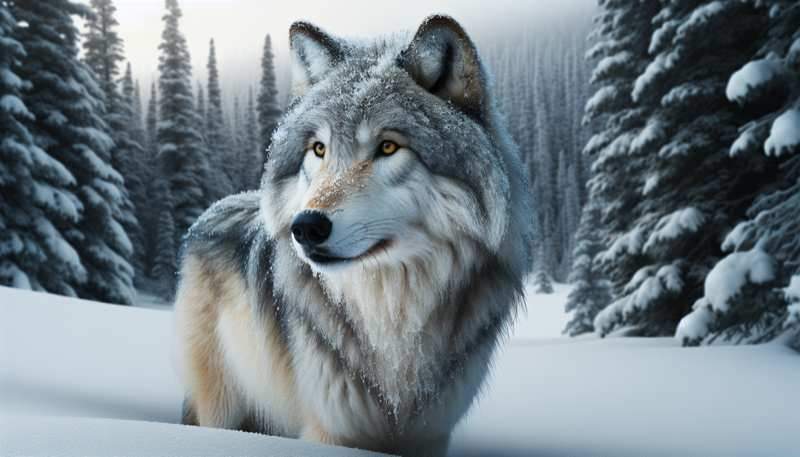
Canis lupus
Tundra, boreal and temperate forest, grassland, steppe, mountain, and some human-dominated landscapes where prey and tolerance permit
Where to see →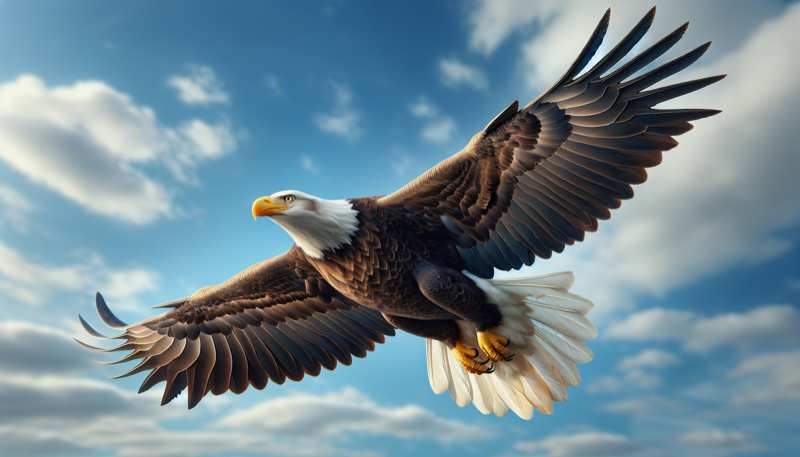
Haliaeetus leucocephalus
Near large bodies of open water, coastal areas, rivers, lakes
Where to see →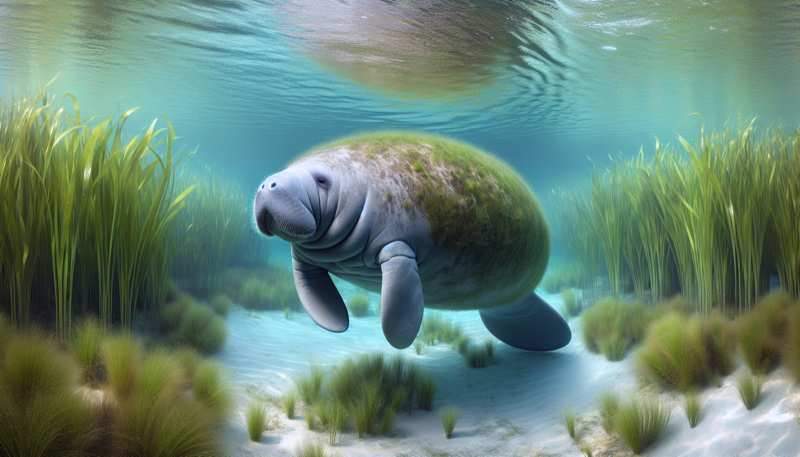
Trichechus manatus
Warm coastal waters, rivers, estuaries, springs
Where to see →Compare how each activity works, the conditions involved, questions to ask an operator, and responsible wildlife-viewing standards.
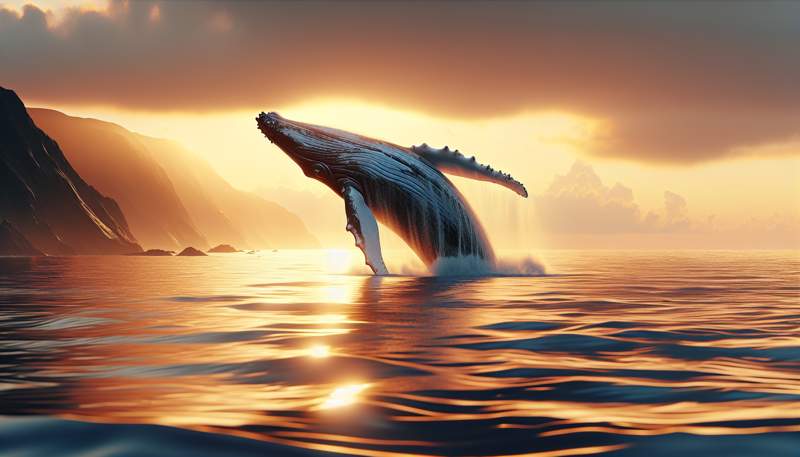
Whale watching can mean a short coastal boat trip, a shore-based migration watch, or several days at sea in a remote region. Success depends on…
Read the experience guide →Manta encounters take several distinct forms: snorkelling beside a natural feeding aggregation, observing a cleaning station while scuba diving,…
Read the experience guide →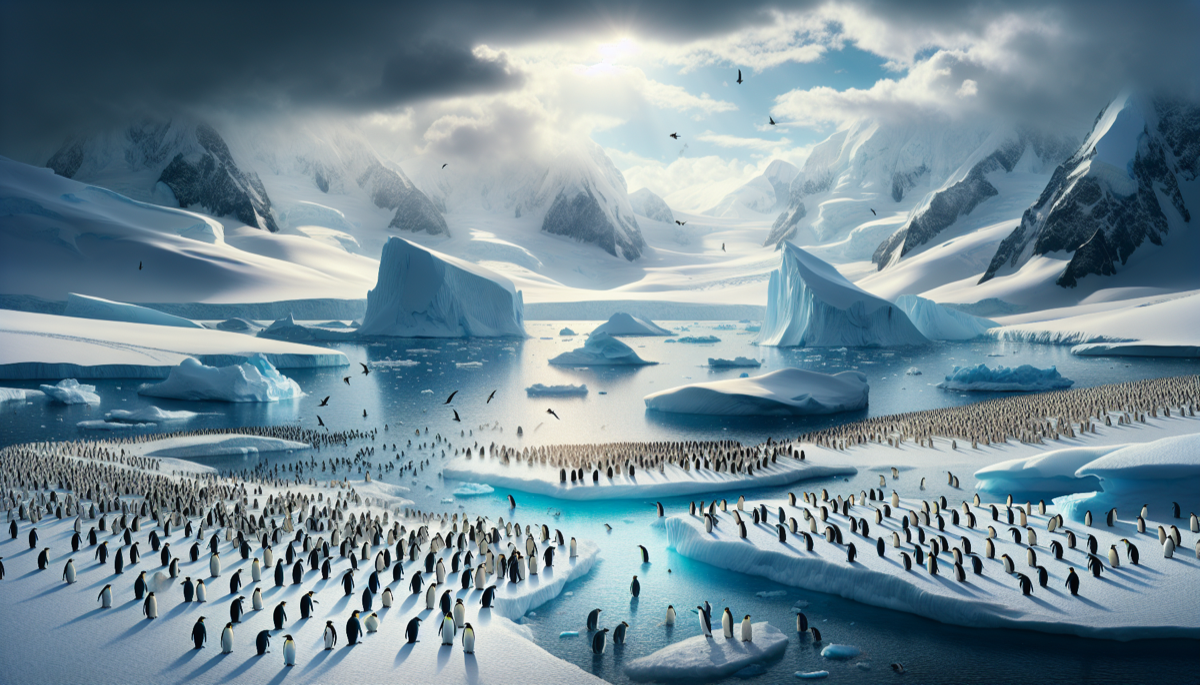
Polar wildlife travel covers two different ends of the planet. Arctic trips may search for polar bears, walruses, whales, and tundra wildlife…
Read the experience guide →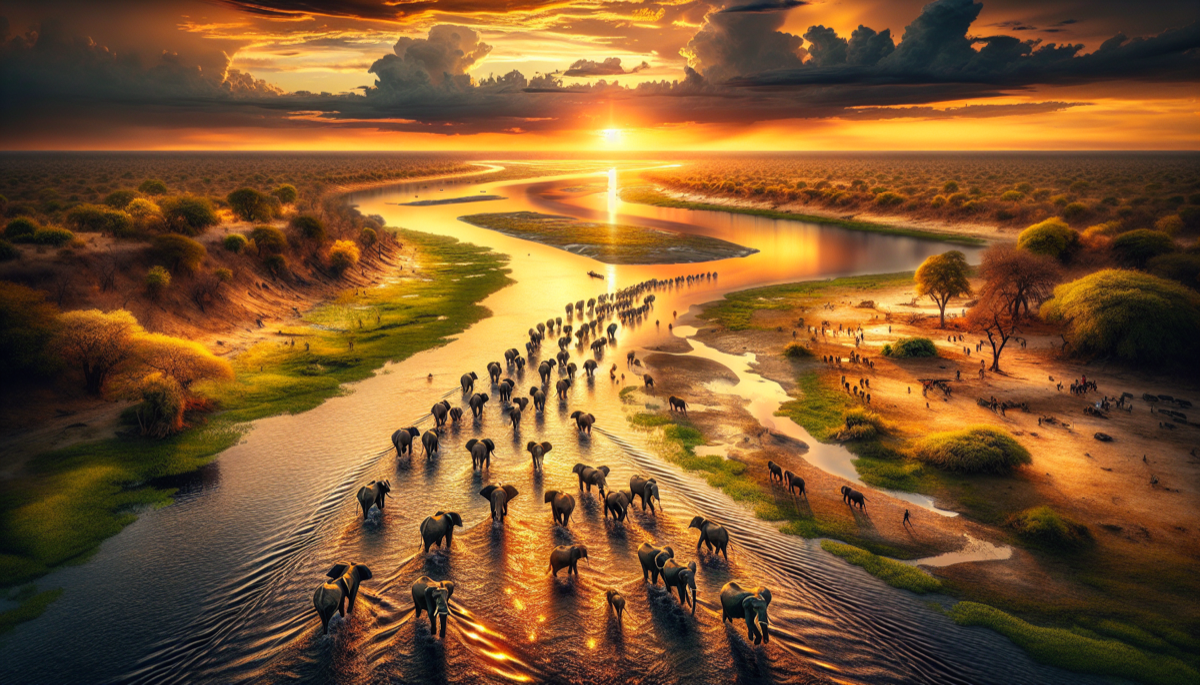
River and wetland safaris reveal wildlife that roads cannot reach. Trips range from quiet canoe or mokoro outings to motorboat searches for…
Read the experience guide →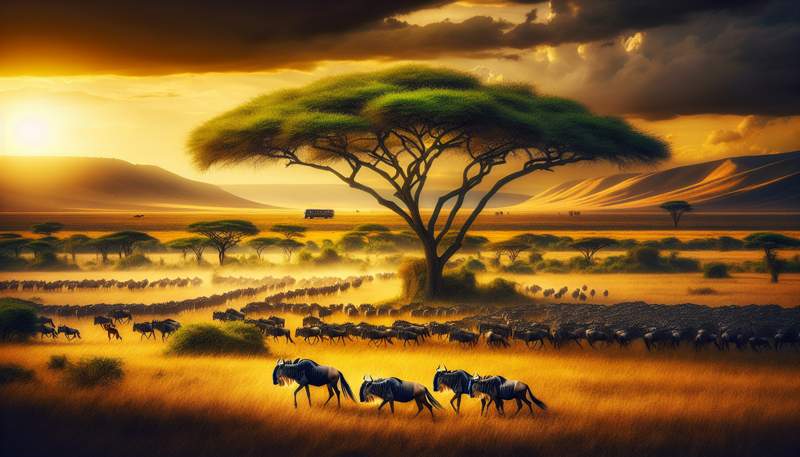
A wildlife photography tour should improve access, fieldcraft, and learning without turning animal welfare into a competition for the closest…
Read the experience guide →Treat park distance rules as minimums, secure food in bear country, never block roads for a sighting, and use a long lens instead of approaching wildlife.
3 threatened species in this guide: Manta Ray (Species range: Vulnerable to Endangered), Blue Whale (Endangered), Manatee (Vulnerable).
Explore Threatened Species