

Where to See
Best Wildlife Destinations in Europe
Compare Andújar, Abruzzo, Białowieża, the Danube Delta, Isle of May, the Azores, and Svalbard by wildlife, access, safety, season, and trip fit.
Read guide →
7 animal guides · 4 destinations · ecology-led trip planning
Deserts, semi-deserts, thorn scrub, dry bushland, and volcanic islands reward attention to water, shade, tracks, and cooler hours. Animals may be widely dispersed, nocturnal, or highly specialised for heat and scarcity.
Plan field time around dawn, dusk, and night where permitted, and treat heat, water, vehicle condition, and communications as safety essentials. Long distances make a rushed checklist especially unproductive.
These guides represent different access styles and regions within the broader habitat. Check local seasonal information before booking.

The Galápagos Islands are a tightly managed Ecuadorian national park and marine reserve where island isolation, ocean currents, and volcanic processes support e...
Plan a visit →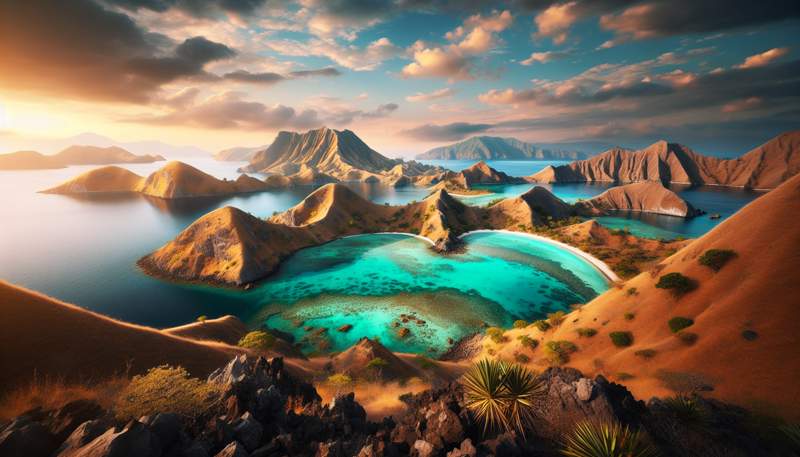
Komodo National Park encompasses several volcanic islands in eastern Indonesia and is the only place on Earth where Komodo dragons live in the wild. The surroun...
Plan a visit →Etosha National Park is Namibia's premier wildlife destination, centred around a vast, shimmering salt pan that stretches 120 km across the park's heart. Coveri...
Plan a visit →
Denali National Park and Preserve in central Alaska encompasses 24,585 km2 of subarctic wilderness dominated by North America's tallest peak, Denali (formerly M...
Plan a visit →Species may use more than one habitat. Open any guide for its full range, wild locations, seasonal context, tours, zoos, and conservation status.
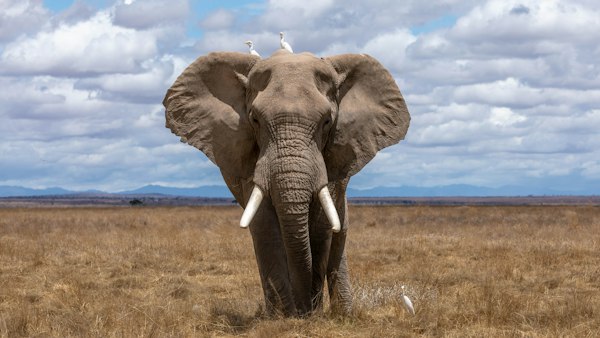
Loxodonta africana
Savanna, forest, desert, marshland
Explore the species →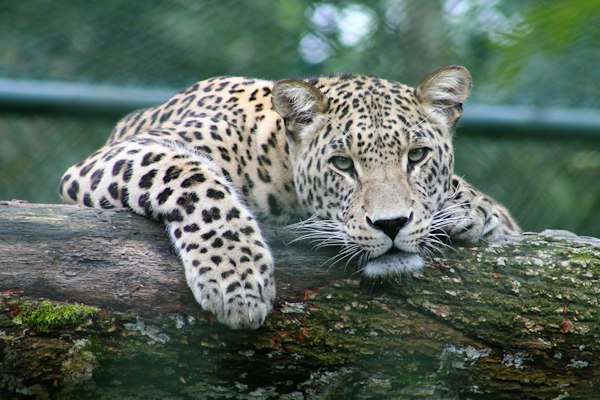
Panthera pardus
Savanna, rainforest, mountain, desert
Explore the species →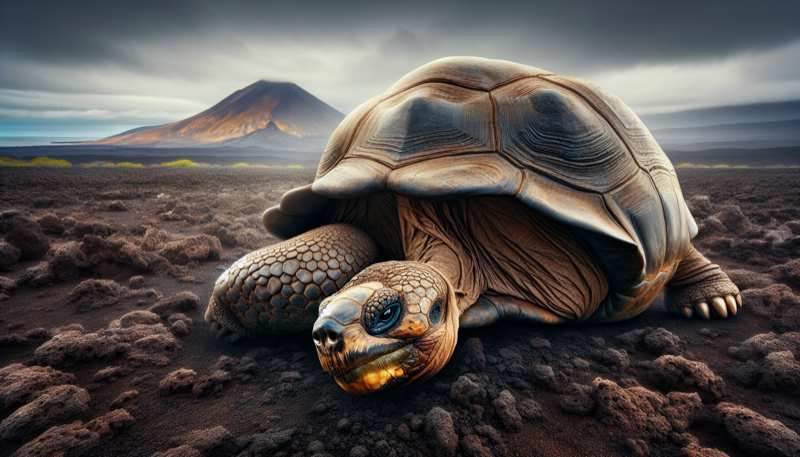
Chelonoidis nigra
Volcanic islands, grassland, scrubland
Explore the species →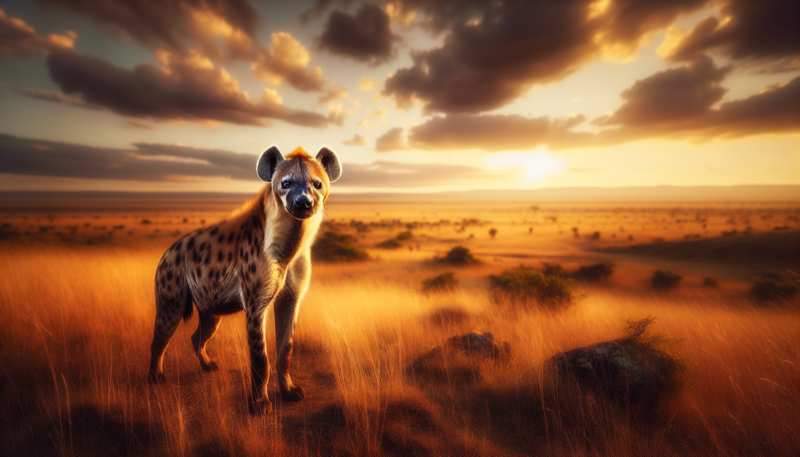
Crocuta crocuta
Savanna, grassland, woodland, semi-desert
Explore the species →
Elephas maximus
Tropical and subtropical forests, grasslands, scrublands
Explore the species →
Family Manidae — eight living species
Species-dependent tropical and subtropical forest, woodland, savanna, grassland, and scrub with suitable prey and shelter
Explore the species →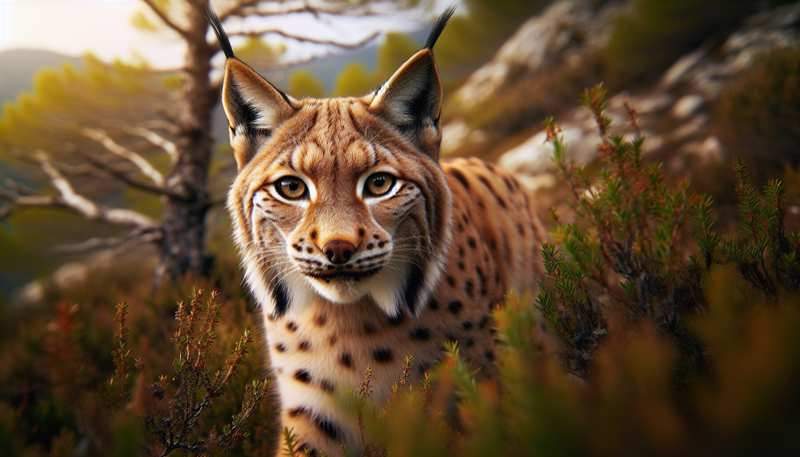
Lynx pardinus
Mediterranean scrubland, open forest, maquis
Explore the species →Activity guides connect the ecosystem to practical access, operator questions, wildlife welfare, and suitable destinations.
Use these editorial guides to connect ecosystem knowledge with destinations, seasons, itineraries, photography, and responsible viewing.
Compare Andújar, Abruzzo, Białowieża, the Danube Delta, Isle of May, the Azores, and Svalbard by wildlife, access, safety, season, and trip fit.
Read guide →
Compare Yellowstone, Denali, Churchill, the Everglades, Monterey Bay, Baja, and Corcovado by wildlife, access, season, safety, and trip fit.
Read guide →
Compare Borneo, Indian tiger reserves, Sri Lanka, Komodo, Ladakh, and Shiretoko by wildlife, access, season, safety, field method, and responsible trip fit.
Read guide →Water extraction, mining, roads, off-road driving, invasive species, and poorly planned energy development can damage slow-recovering soils and habitat.
6 threatened animals in this collection: African Elephant (Endangered), Leopard (Vulnerable), Galapagos Giant Tortoise (Vulnerable), Asian Elephant (Endangered), Pangolin (Species range: Vulnerable to Critically Endangered), Iberian Lynx (Vulnerable).
Explore Threatened Species