Ningaloo Reef
Mar-JulThe world's most reliable whale shark aggregation (March-July).
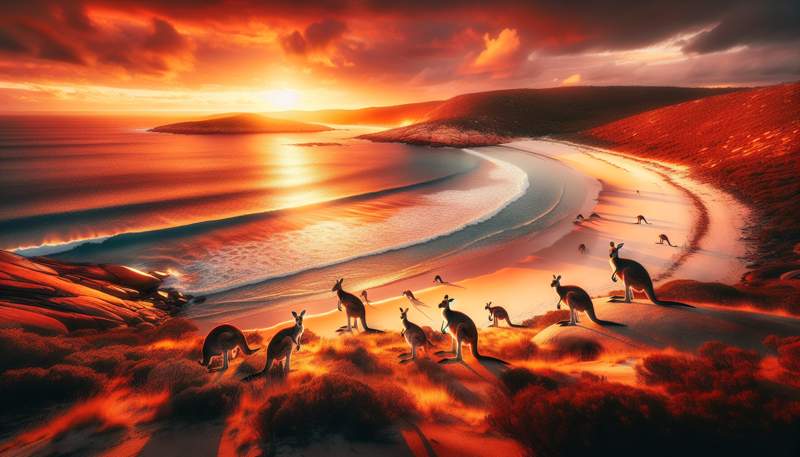
8 animals · 3 destination guides · responsible ways to visit
Australia combines marsupials, monotremes, reptiles, seabirds, whales, whale sharks, and reef life across a continent of tropical forest, desert, temperate woodland, alpine country, and coast. Seasons and distances vary dramatically by region.
Plan by state and habitat rather than trying to cover the continent. Check heat, fire, cyclone, and marine conditions for the specific region, and leave flexibility for weather-dependent boats or island access.
Compare the animals, seasonal context, travel logistics, experiences, and booking links in each destination guide.
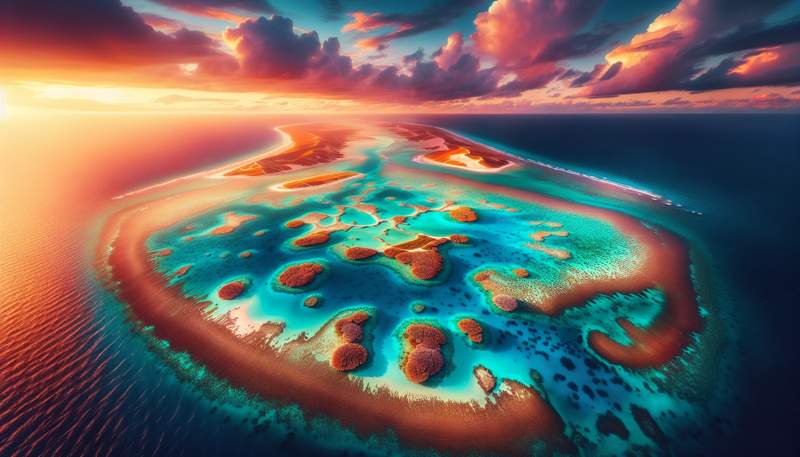
The Ningaloo Coast World Heritage property combines a near-shore coral reef, open ocean, beaches, Cape Range, and an arid coastline in remote Western Australia....
Plan a visit →Kangaroo Island is a multi-day South Australian wildlife destination reached by ferry from Cape Jervis or by air from Adelaide. Its public visitor route can com...
Plan a visit →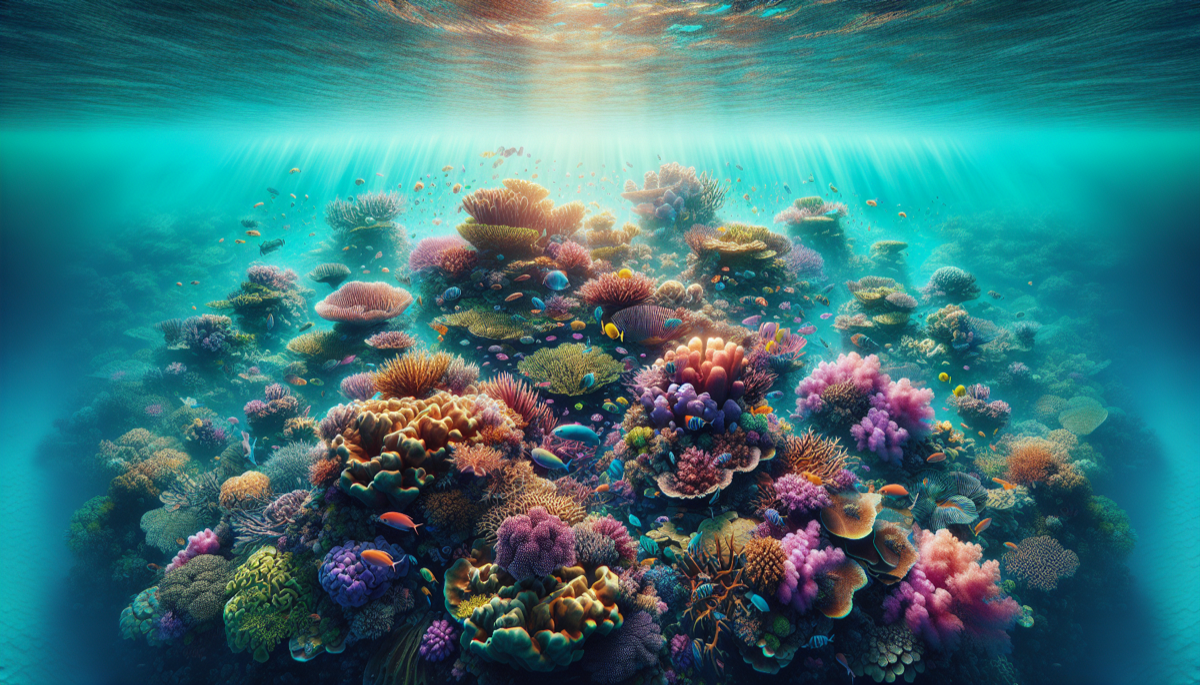
The Great Barrier Reef is a vast, multi-region marine park and World Heritage Area along Queensland, not one interchangeable Cairns excursion. A credible trip b...
Plan a visit →These field locations are referenced by our animal guides. Viewing windows are approximate and should be checked locally before booking.
The world's most reliable whale shark aggregation (March-July).
Premium cage diving with excellent white shark encounters.
Western Australia’s parks authority lists licensed snorkelling and diving tours from Coral Bay, including manta-ray swims in the reef lagoon. This is the clearest fit for travellers who want a guided daytime snorkel within a wider Ningaloo reef trip, but weather and wild-animal movement still control every entry.
A short public Koala Trail near the Paynesville passenger ferry offers a practical self-guided search. The population is also actively managed because high local density can damage habitat, so visibility is not a simple conservation-success measure.
A multi-day wildlife destination with a free-living koala population introduced in the twentieth century. Pair quiet habitat observation with Seal Bay and Flinders Chase, and check current park, road, weather, and fire alerts.
Koalas may be seen on Queensland Parks walking routes including the Forts Walk. This is part of the nationally Endangered northern population, and a sighting is never guaranteed.
Snorkel and dive with green sea turtles on the world's largest coral reef system.
Wild dolphins visit the shore daily to interact with visitors — one of the best encounters on Earth.
The world's oldest tropical rainforest is prime cassowary habitat. Sightings are possible along roads and trails.
One of the most reliable cassowary-sighting locations in Australia.
A small beach where cassowaries regularly emerge from the forest to forage.
Open a species guide for habitat, wild locations, seasonal context, safety, photography, tours, zoos, and conservation status.
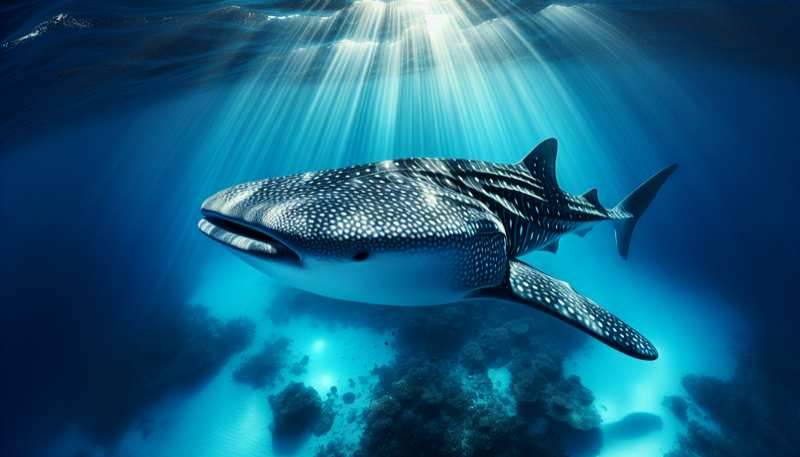
Rhincodon typus
Tropical and warm temperate oceans
Where to see →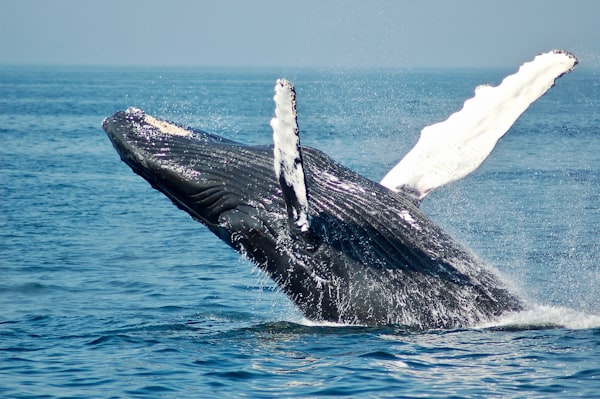
Megaptera novaeangliae
Open oceans, coastal waters
Where to see →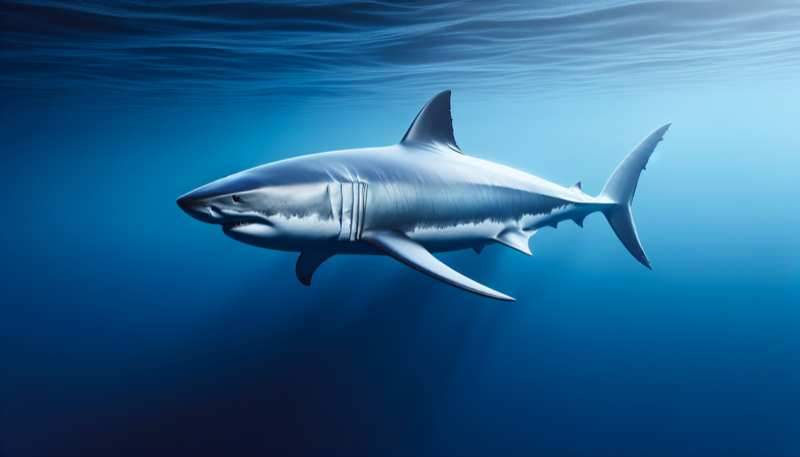
Carcharodon carcharias
Temperate and subtropical coastal waters
Where to see →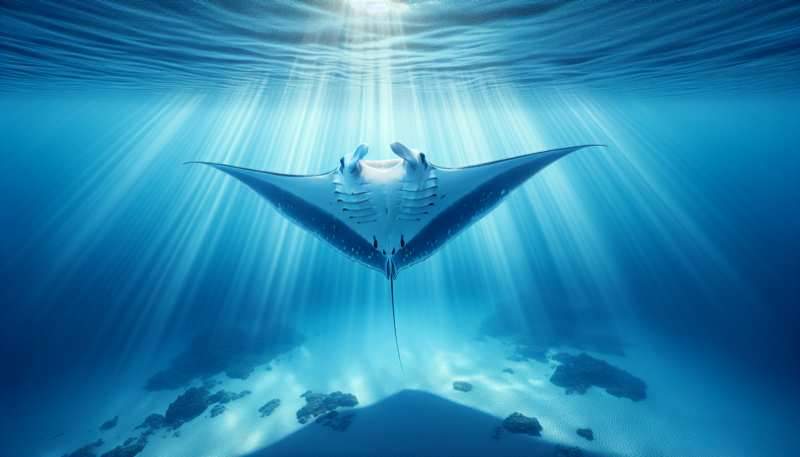
Mobula alfredi and Mobula birostris
Productive tropical, subtropical, and warm-temperate seas, including reef cleaning stations, coastal feeding areas, island slopes, and open ocean
Where to see →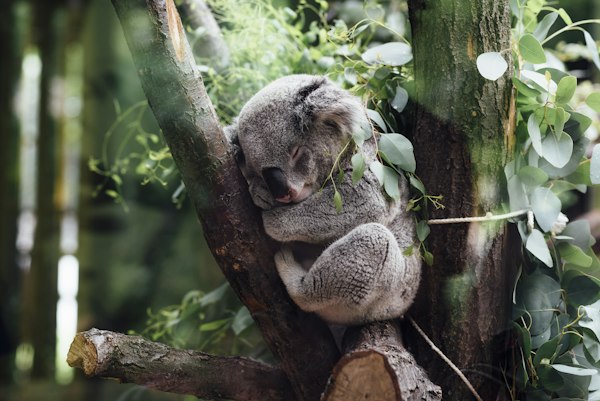
Phascolarctos cinereus
Eucalypt forest and woodland across eastern and south-eastern Australia
Where to see →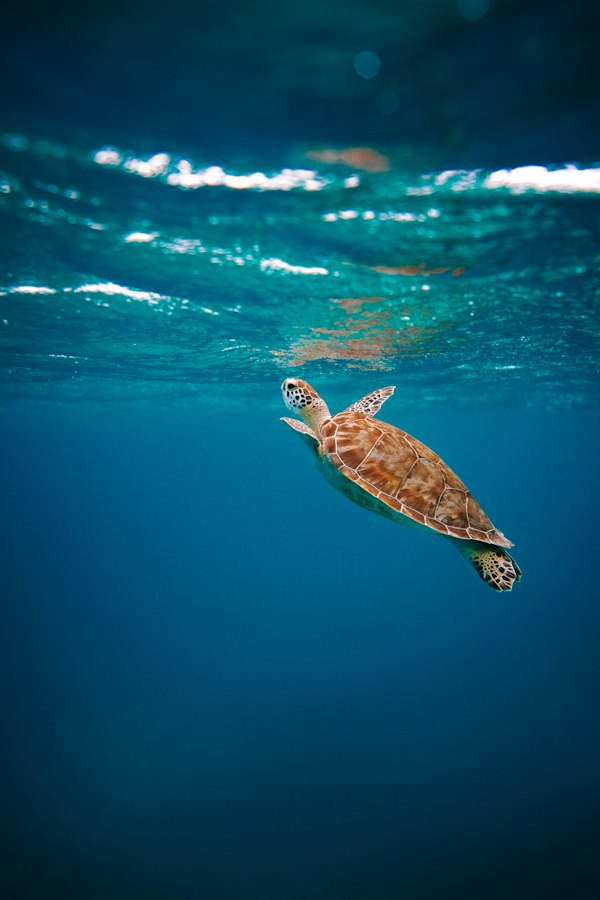
Chelonia mydas
Tropical and subtropical oceans, coral reefs, seagrass beds
Where to see →
Tursiops truncatus
Temperate and tropical oceans, coastal waters, estuaries
Where to see →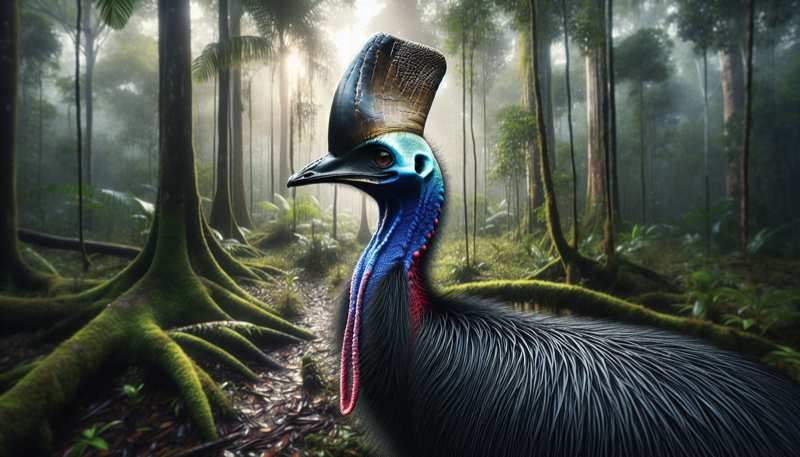
Casuarius casuarius
Tropical rainforest, mangroves, fruit orchards
Where to see →Compare how each activity works, the conditions involved, questions to ask an operator, and responsible wildlife-viewing standards.
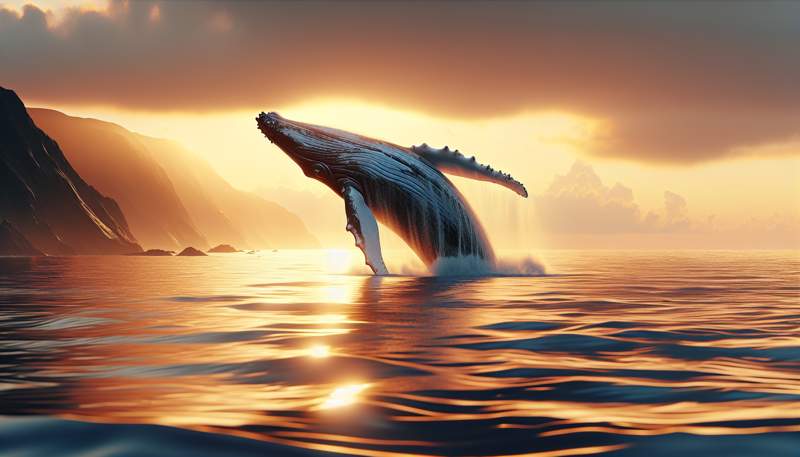
Whale watching can mean a short coastal boat trip, a shore-based migration watch, or several days at sea in a remote region. Success depends on…
Read the experience guide →A whale shark swim is usually a boat-based snorkelling encounter in a place where seasonal feeding or movement makes sightings possible. The…
Read the experience guide →Manta encounters take several distinct forms: snorkelling beside a natural feeding aggregation, observing a cleaning station while scuba diving,…
Read the experience guide →
Polar wildlife travel covers two different ends of the planet. Arctic trips may search for polar bears, walruses, whales, and tundra wildlife…
Read the experience guide →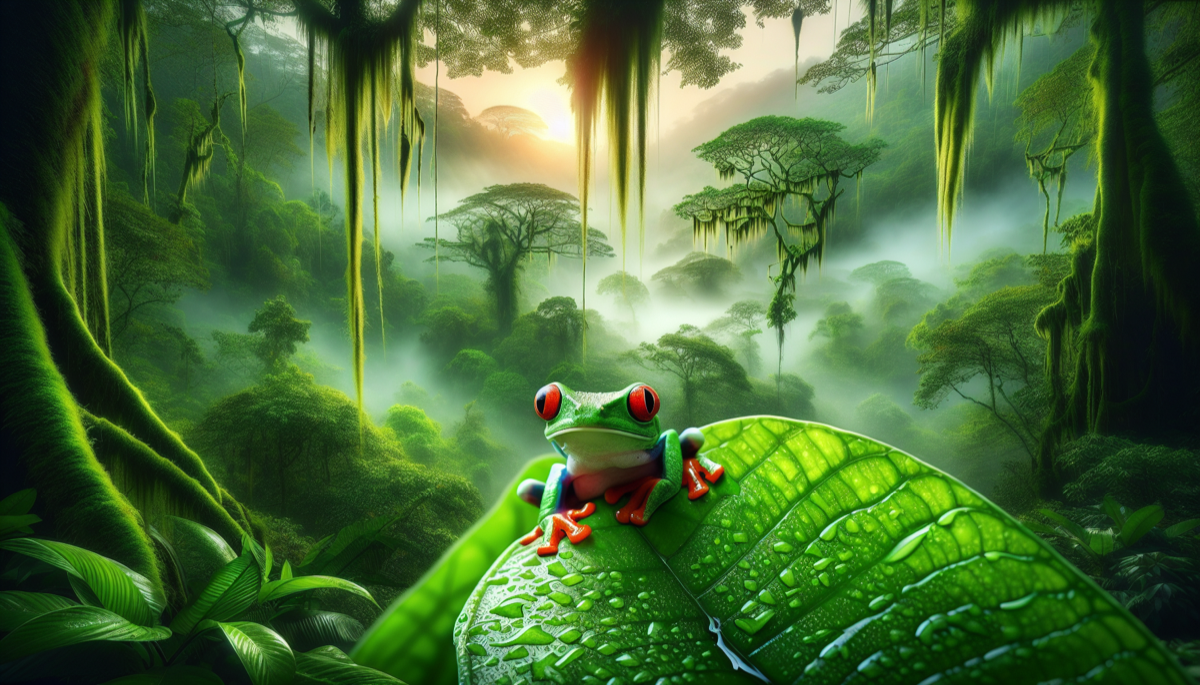
Rainforest wildlife trips reward attention to sound, movement, tracks, fruit, and forest layers more than long-distance vistas. A guide may…
Read the experience guide →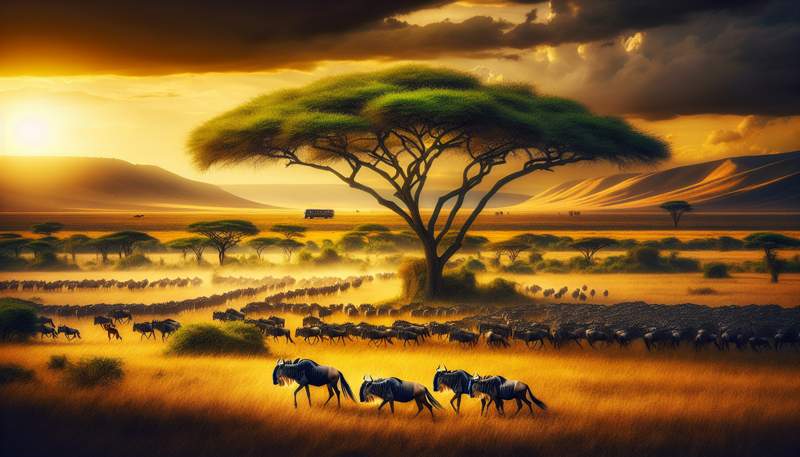
A wildlife photography tour should improve access, fieldcraft, and learning without turning animal welfare into a competition for the closest…
Read the experience guide →Compare itineraries, seasons, costs, photography advice, and responsible wildlife experiences connected to this country.
Compare Kangaroo Island, Ningaloo, the Great Barrier Reef, Daintree, Kakadu, and Maria Island by wildlife, access, season, safety, and trip fit.
Read guide →
Compare Raymond Island, Kangaroo Island, Magnetic Island, and the Otways for wild koalas, with access, tours, welfare, fire safety, and conservation context.
Read guide →Observe wild animals without feeding or handling them, use accredited marine operators, and follow local closures around nesting beaches and fire-affected habitat.
5 threatened species in this guide: Whale Shark (Endangered), Great White Shark (Vulnerable), Manta Ray (Species range: Vulnerable to Endangered), Koala (Vulnerable), Green Sea Turtle (Endangered).
Explore Threatened Species