Walking Safaris
4 featured places · 8 relevant species · responsible operator checklist
Is Walking Safaris Right for You?
A walking safari shifts attention from covering distance to reading an ecosystem at ground level. Tracks, dung, plants, insects, alarm calls, wind, and animal behaviour become the guideposts. Walks range from short interpretive outings near a camp to multi-day mobile safaris in remote areas. Large animals may be seen, but approaching them is not the objective and a responsible guide will change course when conditions require it.
Timing the Trip
Walks are often scheduled in cooler morning or late-afternoon conditions. Vegetation, water, wind, animal distribution, and local regulations influence the route. Compare the operating season for the specific reserve and camp, and expect weather or fresh wildlife signs to change the plan without notice.
What to Expect
- A detailed safety briefing and a route chosen from current tracks, wind, visibility, and guide judgement.
- More time learning signs, plants, insects, birds, and ecological relationships than pursuing large mammals.
- Periods of silence and single-file movement, with photography secondary to group awareness.
- A plan that may turn back, pause, or detour when animals, weather, or visibility make that prudent.
How to Plan
Verify guide qualifications, local licensing, group size, minimum age, medical restrictions, route type, backup communications, and whether an armed ranger is required or present. Ask what “walking safari” means in the itinerary: a one-hour nature walk is different from a multi-day mobile expedition. Wear neutral practical clothing and closed footwear, carry only what the operator permits, and disclose mobility or medical concerns before booking.
Build Your Wildlife TripResponsible Walking Safaris
The guide controls distance, direction, pace, silence, and when the group stops or retreats. Never run, split from the group, move forward for a photograph, or ignore an instruction because an animal seems calm. Walk single file when asked, keep food sealed, and leave tracks, plants, bones, feathers, and other natural material where they are.
Walking can reduce vehicle use and create skilled guiding employment, but trails, camps, water use, and repeated approaches still affect a landscape. Ask how routes are rotated, waste is removed, temporary camps are managed, and fees benefit the protected area and neighbouring communities. Safety and low impact depend on local knowledge, not adventure branding.
Understand Conservation ClaimsFeatured Walking Safaris Destinations
Use each destination guide to compare seasons, wildlife, access, travel logistics, and relevant tour listings. Inclusion means the place fits this activity type; it is not an endorsement of every local operator.
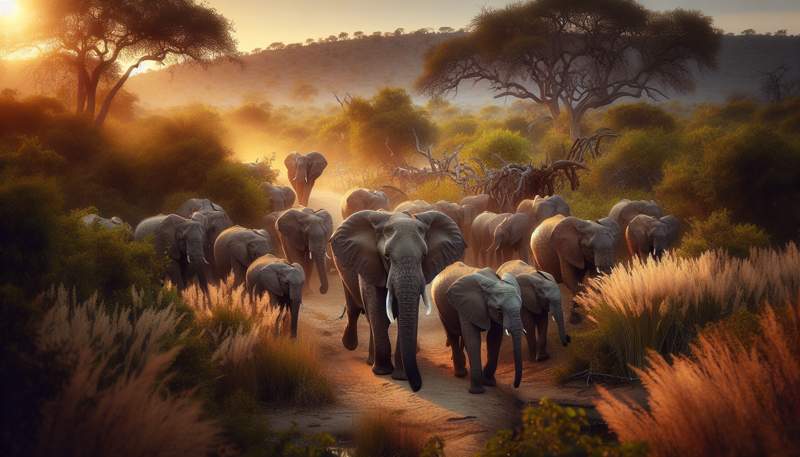
Kruger National Park
Kruger is one of the largest game reserves in Africa, covering nearly 20,000 km2. It offers an accessible, affordable safari experience with excellent…
Open destination guide →South Luangwa National Park
South Luangwa National Park is one of Africa's finest wildlife sanctuaries, located in eastern Zambia along the winding Luangwa River. Often called the…
Open destination guide →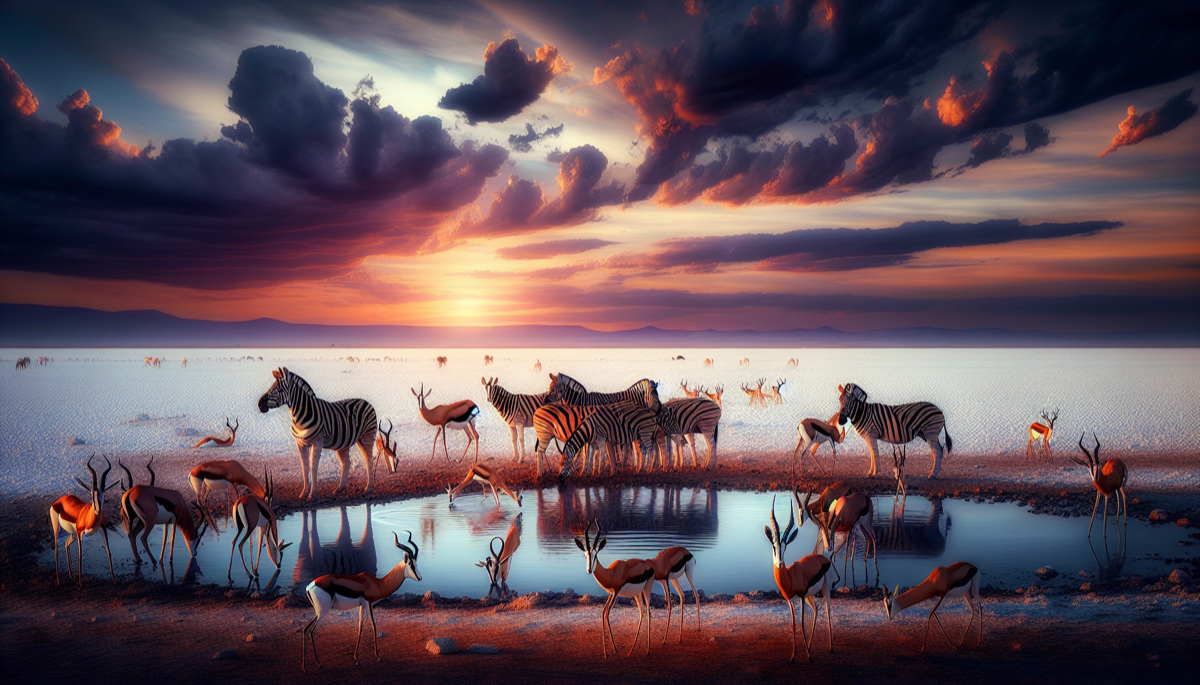
Etosha National Park
Etosha National Park is Namibia's premier wildlife destination, centred around a vast, shimmering salt pan that stretches 120 km across the park's heart.…
Open destination guide →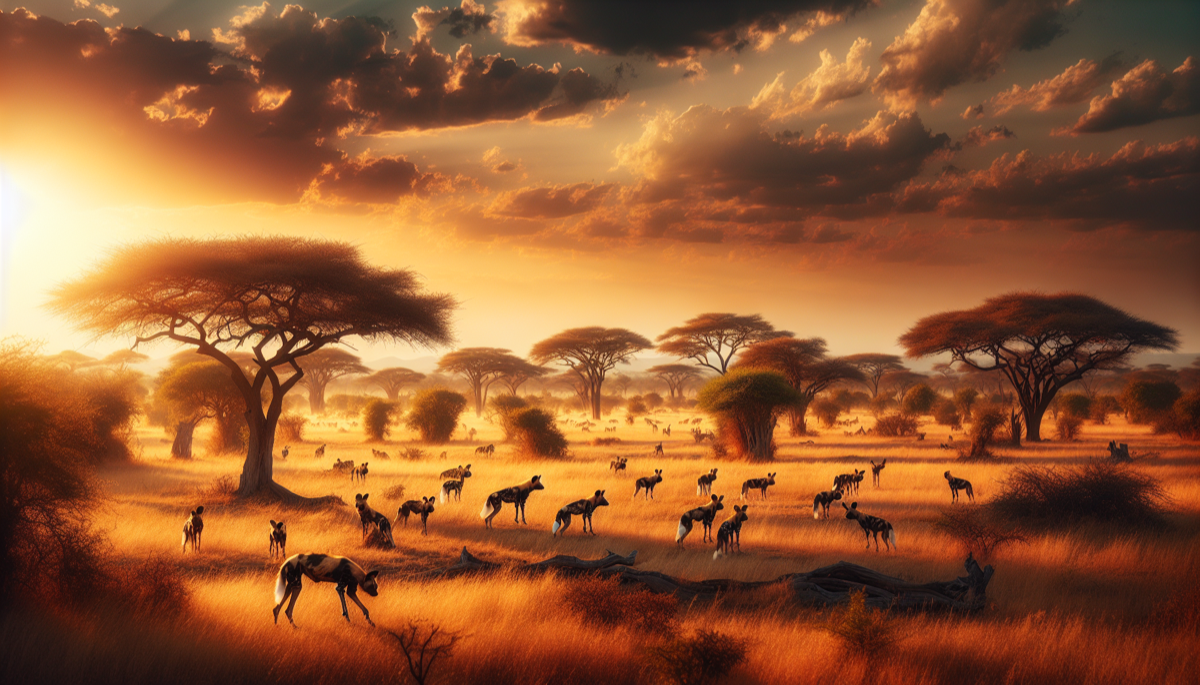
Hwange National Park
Hwange National Park is Zimbabwe's largest and oldest national park, covering 14,651 km2 of semi-arid bushveld, grassland, and teak woodland. The park is…
Open destination guide →Animals You May Encounter
No species or behaviour is guaranteed. Open the animal guides for wild locations, habitat, seasonal context, safety, conservation status, and alternative places to look.
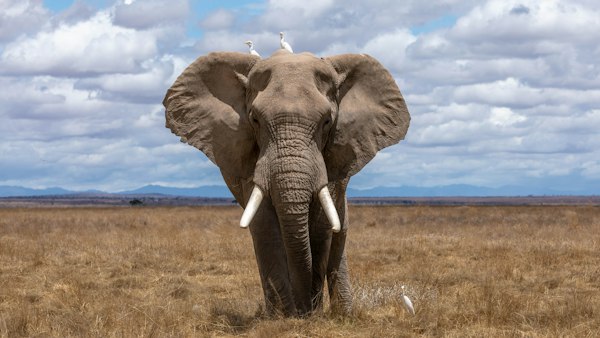
African Elephant
ENLoxodonta africana
Savanna, forest, desert, marshland
Where it lives →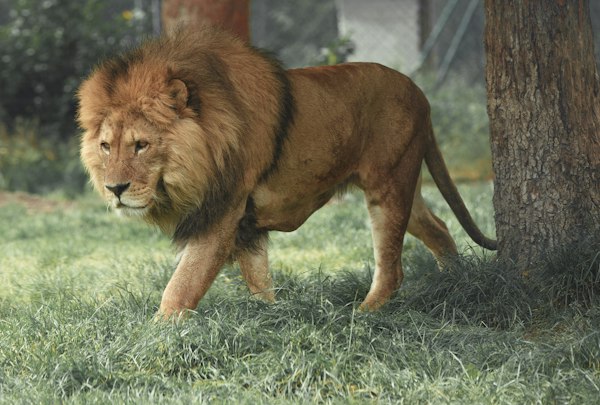
Lion
VUPanthera leo
Savanna, grassland, open woodland
Where it lives →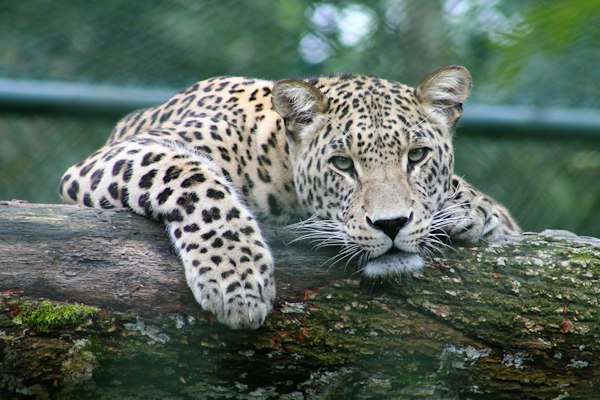
Leopard
VUPanthera pardus
Savanna, rainforest, mountain, desert
Where it lives →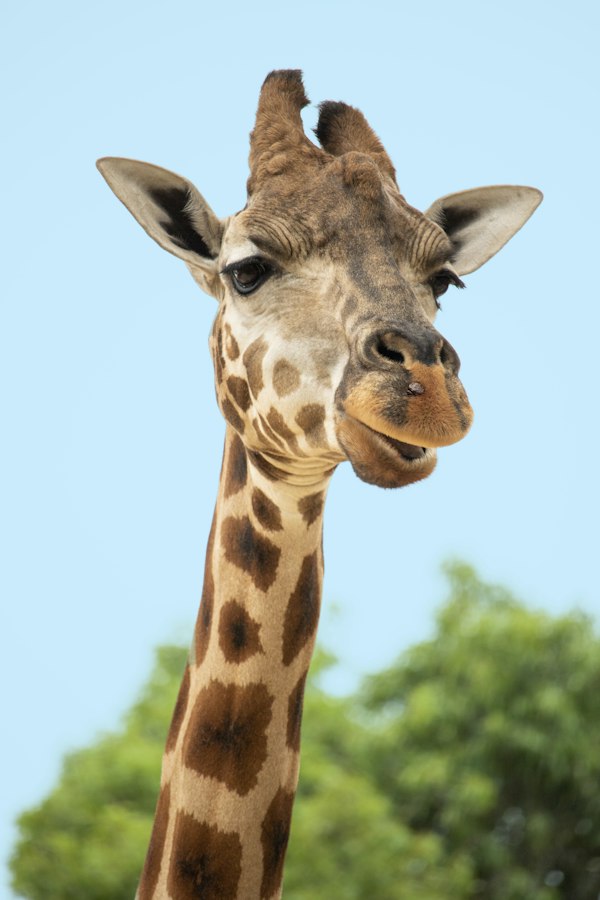
Giraffe
VUGiraffa camelopardalis
Savanna, woodland
Where it lives →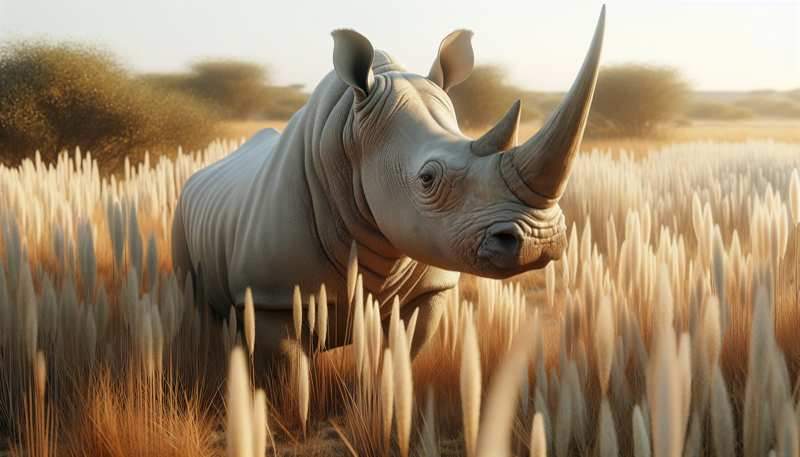
Rhinoceros
CRRhinocerotidae — five living species
Savanna, shrubland, floodplain grassland, wetland, and tropical forest
Where it lives →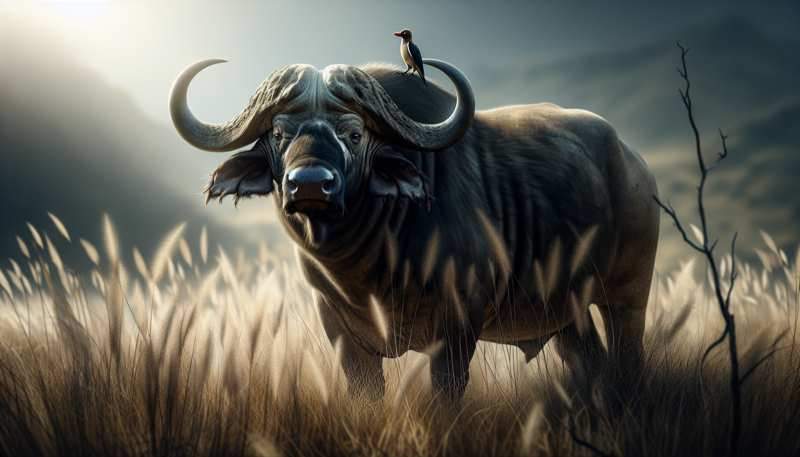
Cape Buffalo
NTSyncerus caffer
Savanna, swamps, floodplains
Where it lives →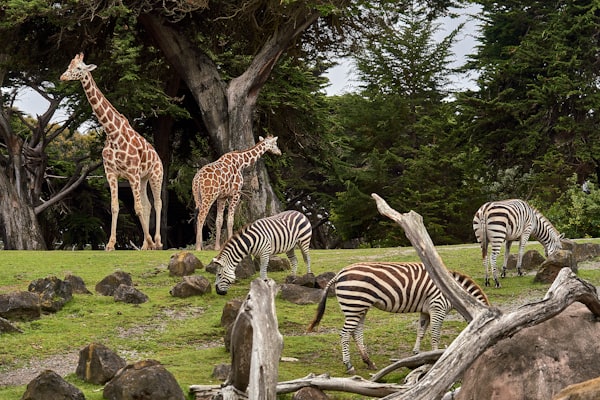
Zebra
NTEquus quagga
Savanna, grassland
Where it lives →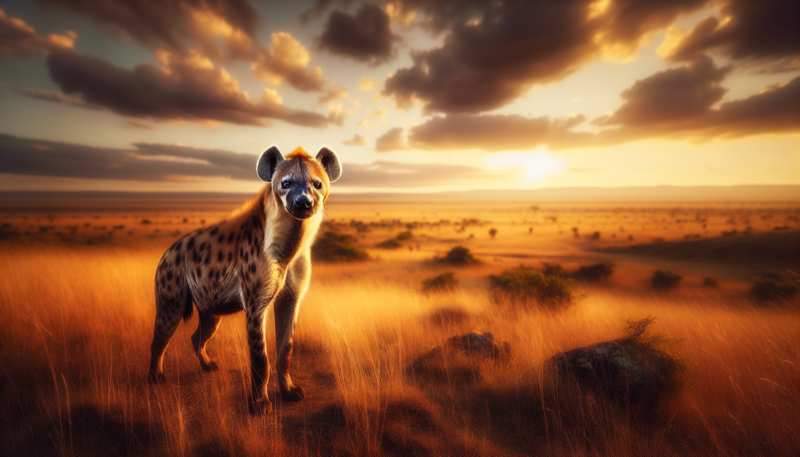
Spotted Hyena
LCCrocuta crocuta
Savanna, grassland, woodland, semi-desert
Where it lives →Explore the Habitats
Explore by Country
Walking Safaris Planning Guides
Compare destinations, itineraries, timing, costs, photography, and responsible choices in our related editorial guides.
Walking Safaris in Africa: On Foot with the Big Five
Everything about walking safaris: best destinations, what to expect, fitness requirements, and safety.
Read guide →
Best Safari Destinations for Wildlife Photographers
Compare safari destinations for photography by light, habitat, vehicle position, wildlife behaviour, guide skill, hides, crowding, and seasonal conditions.
Read guide →Is It Safe to Self-Drive in Kruger National Park?
Everything you need to know about self-driving in Kruger National Park. Road conditions, wildlife safety, gate times, and tips for a safe and rewarding experience.
Read guide →Threatened Species and Independent Support
5 species connected to this experience are listed in our guides as Vulnerable, Endangered, or Critically Endangered: African Elephant (Endangered), Lion (Vulnerable), Leopard (Vulnerable), Giraffe (Vulnerable), Rhinoceros (Species range: Near Threatened to Critically Endangered).
Tourism can contribute through protected-area fees and local work, but it does not replace habitat protection or careful operator practice.
Explore Endangered AnimalsCompare Walking Safaris Tours
Listings are supplied by an external booking partner. Confirm the exact location, wildlife policy, operator, itinerary, permits, recent reviews, availability, total price, and cancellation terms before booking.


Related Wildlife Experiences
Safari Game Drives
A game drive uses a vehicle to explore protected landscapes with a guide or, where rules allow, as a self-drive visitor. It is the most accessible…
Compare the experience →
Wildlife Photography Tours
A wildlife photography tour should improve access, fieldcraft, and learning without turning animal welfare into a competition for the closest frame.…
Compare the experience →
River and Boat Safaris
River and wetland safaris reveal wildlife that roads cannot reach. Trips range from quiet canoe or mokoro outings to motorboat searches for…
Compare the experience →