Amboseli National Park
Jun-OctFamous for large herds with Mount Kilimanjaro as a backdrop.
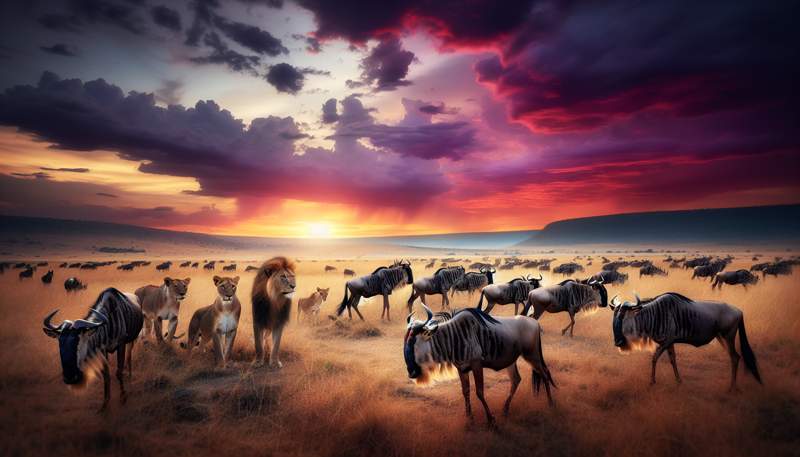
11 animals · 2 destination guides · responsible ways to visit
Kenya links the Masai Mara grasslands with Amboseli wetlands, northern conservancies, Rift Valley lakes, forests, and an Indian Ocean coast. The range makes it possible to combine familiar safari species with community conservancies, birding, and slower landscape-led travel.
Build around one or two ecosystems and allow more than a single game drive in each. Migration timing varies, and famous reserves can be busiest during peak windows, so conservancies and shoulder periods may offer a quieter experience.
Compare the animals, seasonal context, travel logistics, experiences, and booking links in each destination guide.
The Masai Mara is Kenya's most celebrated wildlife reserve, forming the northern extension of the Serengeti ecosystem. It offers some of the most reliable big c...
Plan a visit →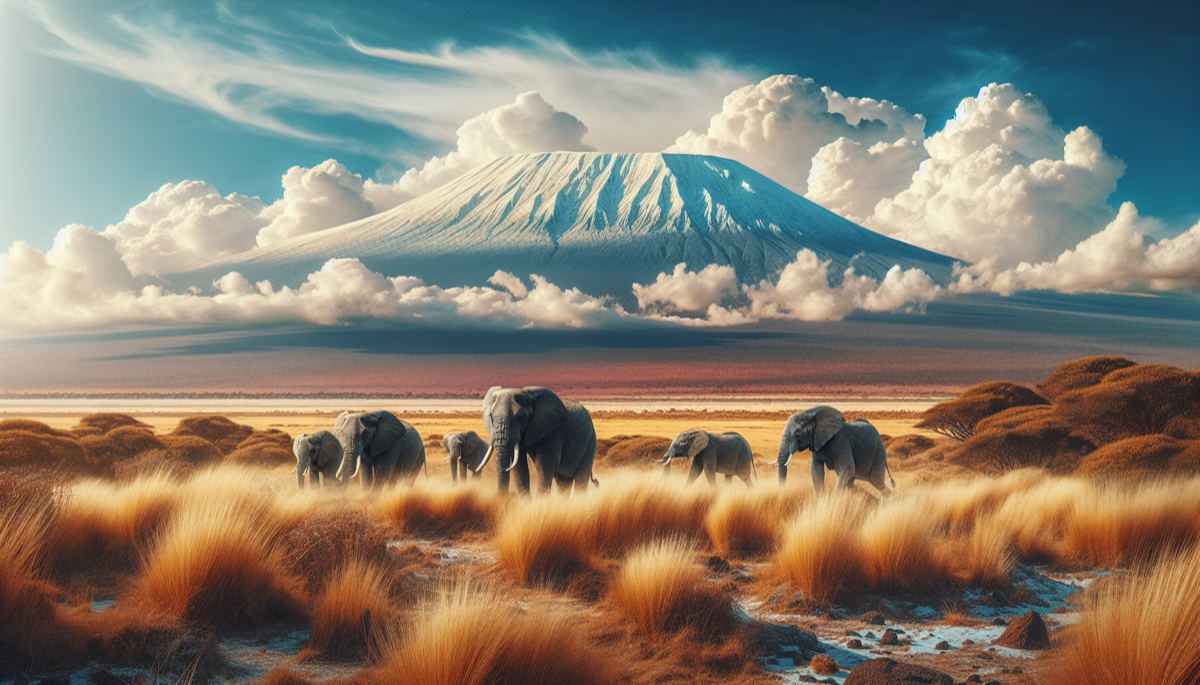
Amboseli National Park is one of Kenya's most iconic wildlife destinations, famous for its large elephant herds set against the dramatic backdrop of Mount Kilim...
Plan a visit →These field locations are referenced by our animal guides. Viewing windows are approximate and should be checked locally before booking.
Famous for large herds with Mount Kilimanjaro as a backdrop.
Famous for the Great Migration and excellent big cat sightings.
A public conservancy visit can include black and southern white rhinos. Its two northern white rhinos live under managed protection; they are not a surviving wild population.
The iconic Mara River crossings during the Great Migration draw photographers from around the world.
Once famous for hosting over a million lesser flamingos; greater flamingos still visit regularly.
Open a species guide for habitat, wild locations, seasonal context, safety, photography, tours, zoos, and conservation status.
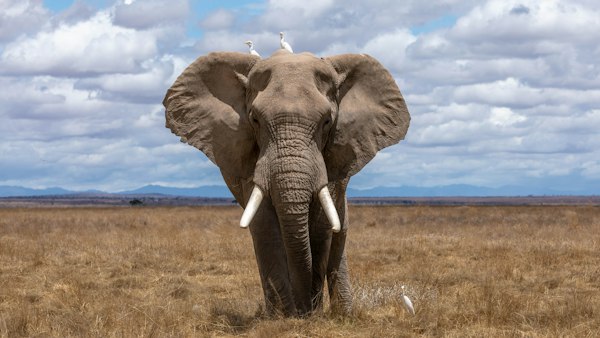
Loxodonta africana
Savanna, forest, desert, marshland
Where to see →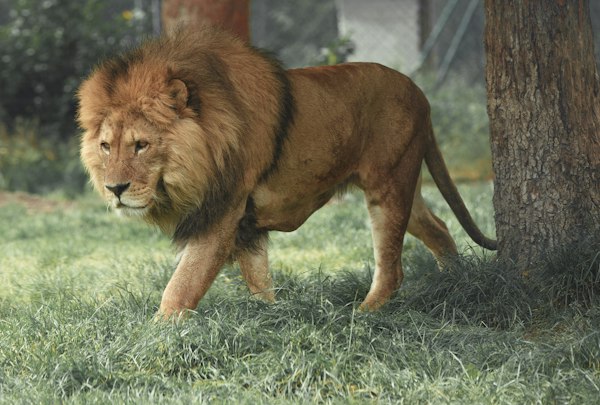
Panthera leo
Savanna, grassland, open woodland
Where to see →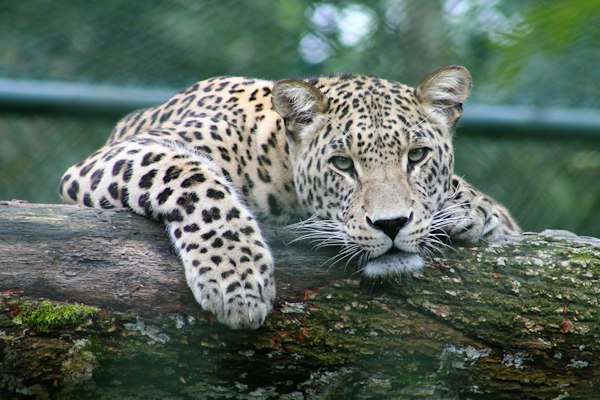
Panthera pardus
Savanna, rainforest, mountain, desert
Where to see →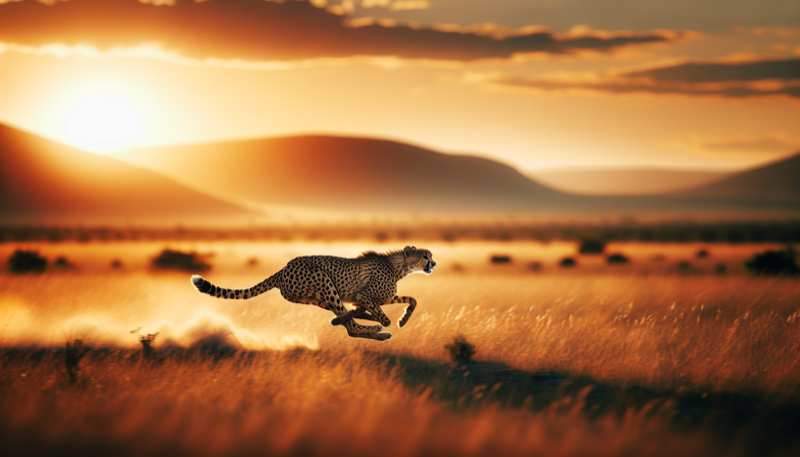
Acinonyx jubatus
Open savanna, grassland
Where to see →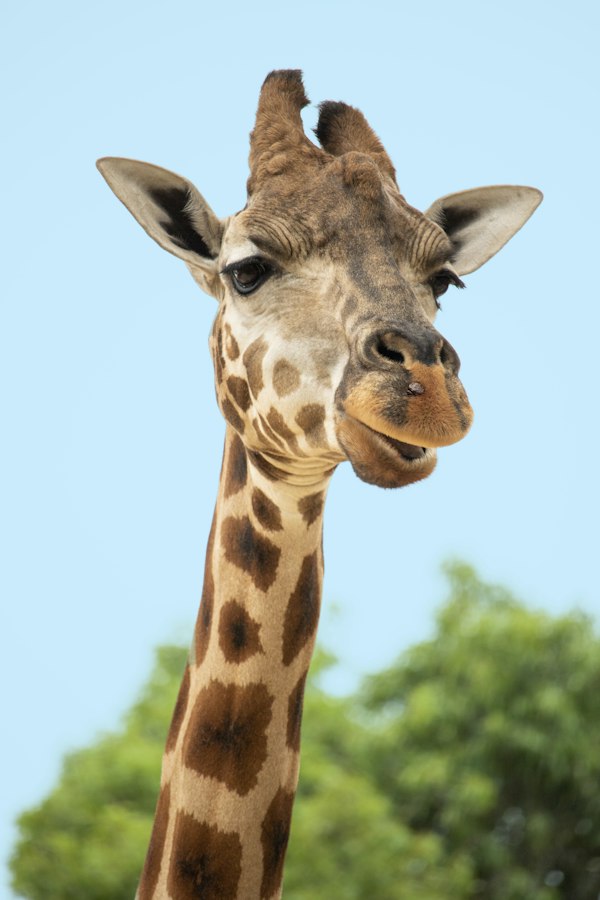
Giraffa camelopardalis
Savanna, woodland
Where to see →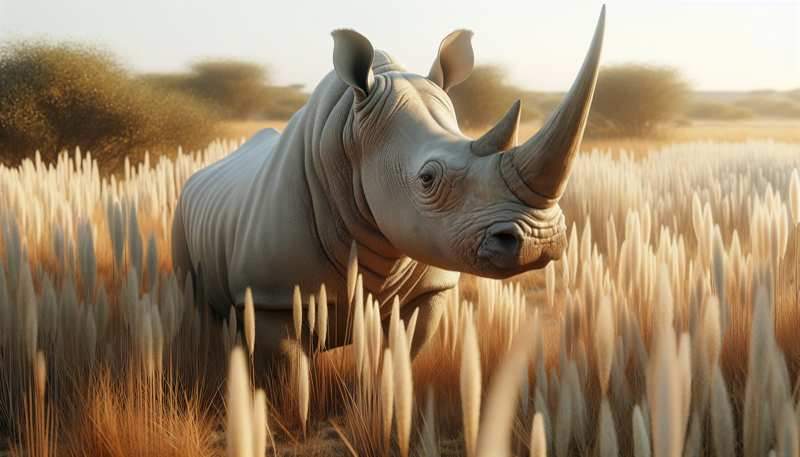
Rhinocerotidae — five living species
Savanna, shrubland, floodplain grassland, wetland, and tropical forest
Where to see →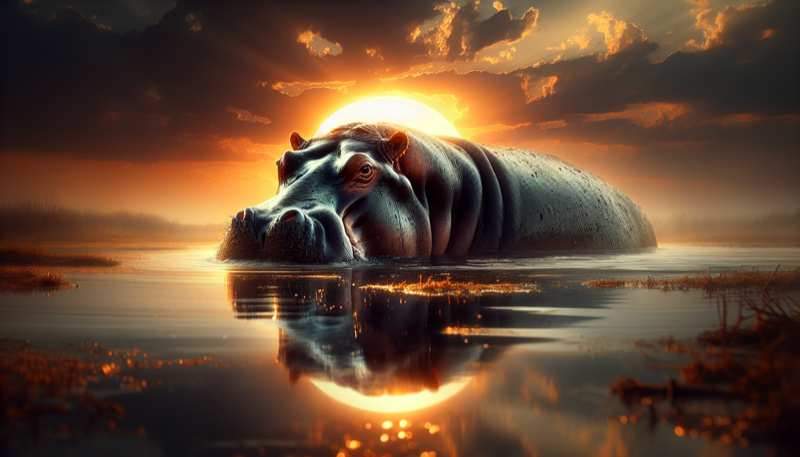
Hippopotamus amphibius
Rivers, lakes, wetlands
Where to see →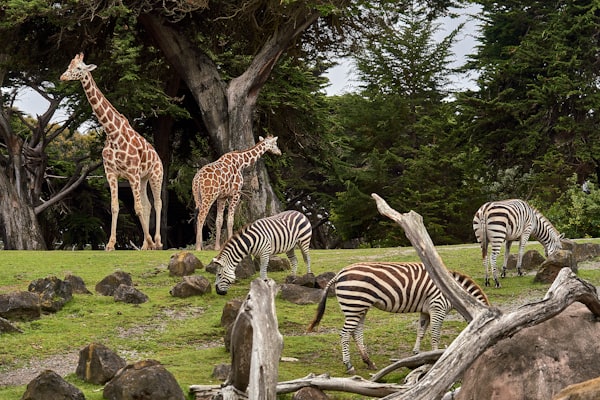
Equus quagga
Savanna, grassland
Where to see →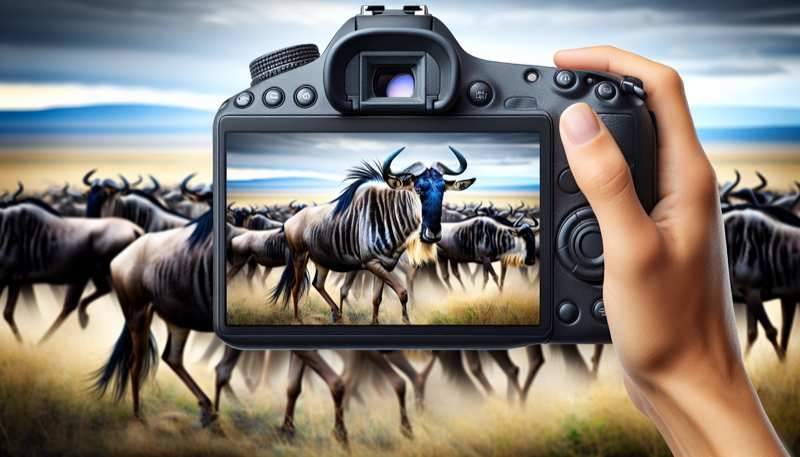
Connochaetes taurinus
Savanna, grassland, open woodland
Where to see →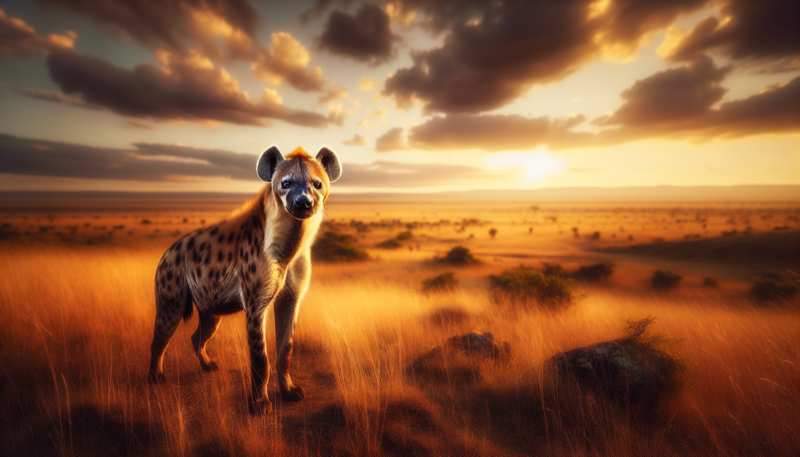
Crocuta crocuta
Savanna, grassland, woodland, semi-desert
Where to see →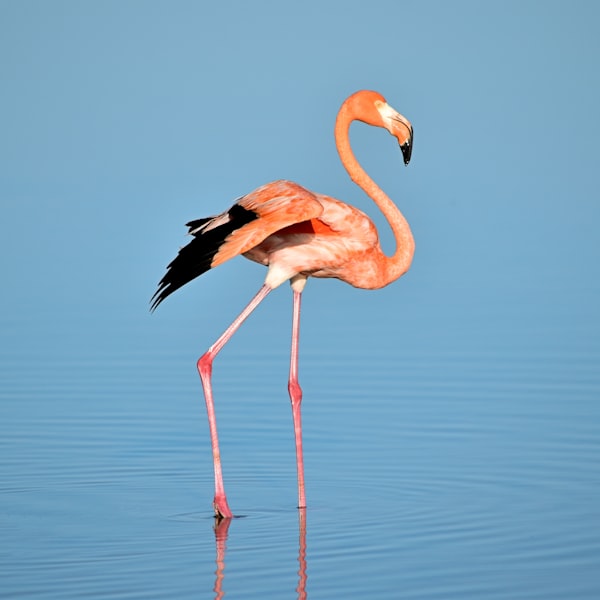
Phoenicopterus roseus
Alkaline and saline lakes, mudflats, coastal lagoons
Where to see →Compare how each activity works, the conditions involved, questions to ask an operator, and responsible wildlife-viewing standards.
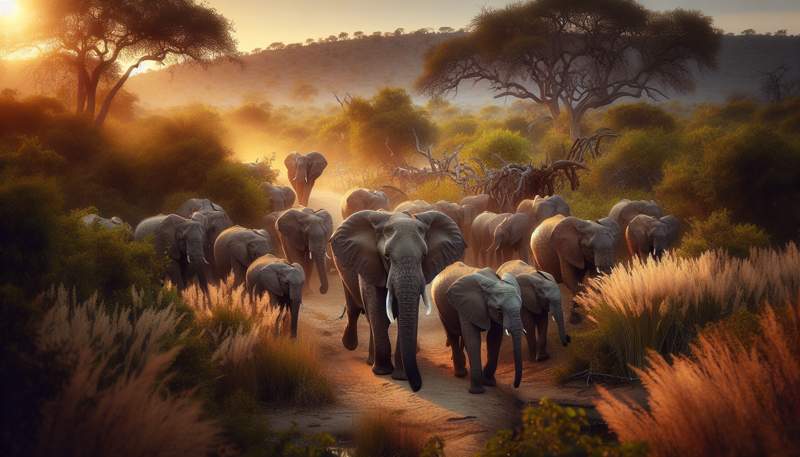
A game drive uses a vehicle to explore protected landscapes with a guide or, where rules allow, as a self-drive visitor. It is the most…
Read the experience guide →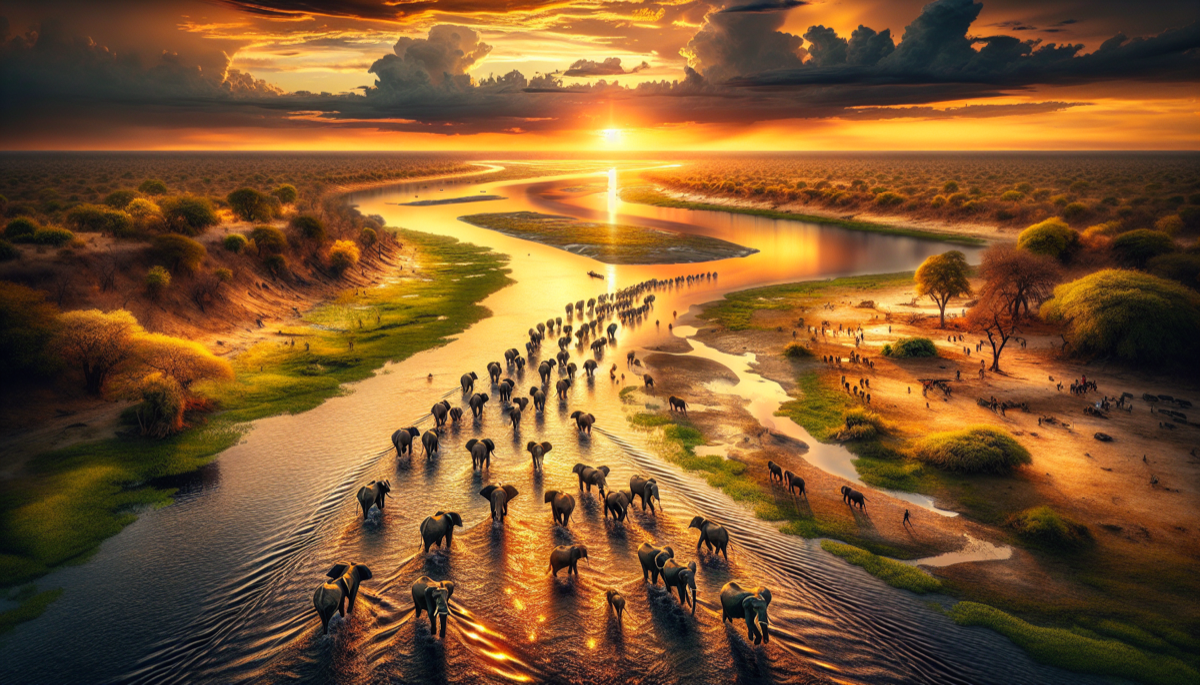
River and wetland safaris reveal wildlife that roads cannot reach. Trips range from quiet canoe or mokoro outings to motorboat searches for…
Read the experience guide →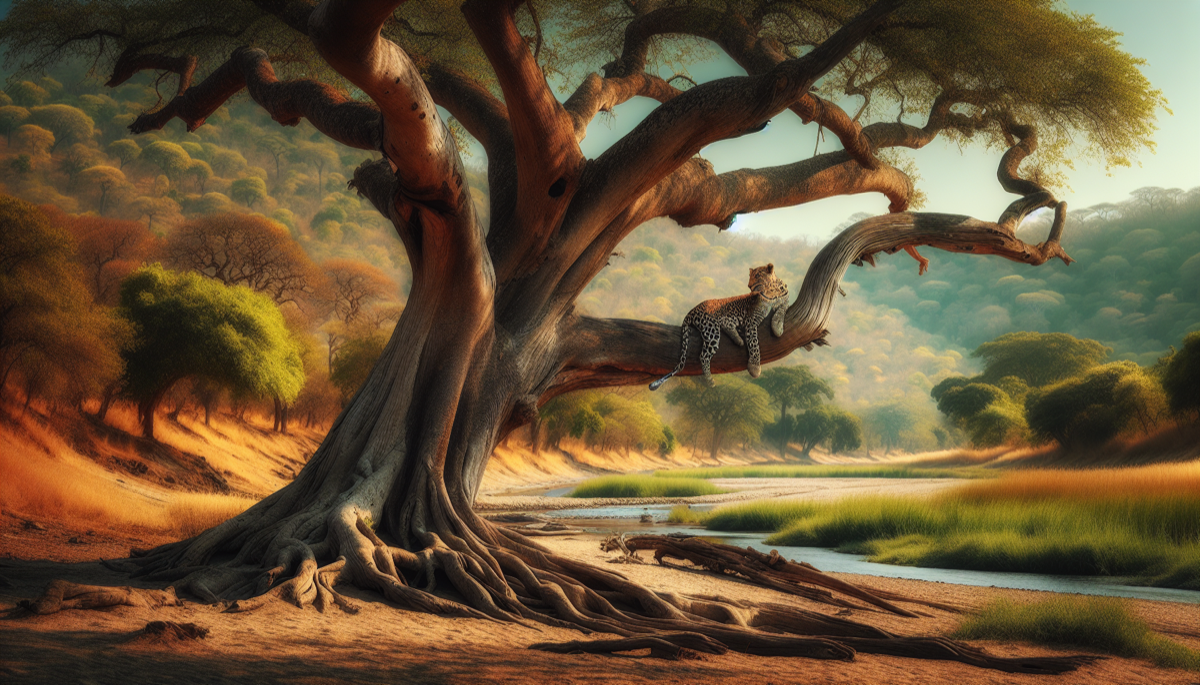
A walking safari shifts attention from covering distance to reading an ecosystem at ground level. Tracks, dung, plants, insects, alarm calls,…
Read the experience guide →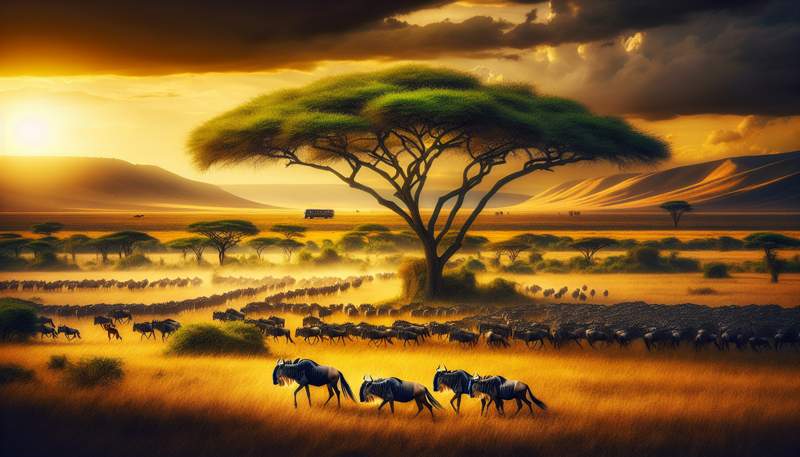
A wildlife photography tour should improve access, fieldcraft, and learning without turning animal welfare into a competition for the closest…
Read the experience guide →Compare itineraries, seasons, costs, photography advice, and responsible wildlife experiences connected to this country.
Detailed comparison of Kenya and Tanzania safaris covering wildlife, cost, accessibility, and when to go.
Read guide →Prefer operators with published wildlife-viewing rules and credible local employment or conservancy partnerships; never ask a driver to leave legal tracks or pressure an animal for a photograph.
7 threatened species in this guide: African Elephant (Endangered), Lion (Vulnerable), Leopard (Vulnerable), Cheetah (Vulnerable), Giraffe (Vulnerable), Rhinoceros (Species range: Near Threatened to Critically Endangered), and more.
Explore Threatened Species