Wildlife Photography Tours
10 featured places · 10 relevant species · responsible operator checklist
Is Wildlife Photography Tours Right for You?
A wildlife photography tour should improve access, fieldcraft, and learning without turning animal welfare into a competition for the closest frame. Formats include vehicle safaris, hides, boats, forest walks, and polar expeditions. The right trip depends on the subject, group size, physical setting, camera support, and how much dedicated shooting time the itinerary actually provides.
Timing the Trip
Light, weather, breeding, migration, foliage, water, and visitor pressure all shape photographic conditions. A famous season may also mean more vehicles or less flexibility. Ask what subjects are realistically photographed from that trip’s access method and whether the itinerary allows patient returns rather than one pass through each location.
What to Expect
- Long quiet waits followed by short periods of action where preparation matters more than rapid pursuit.
- Instruction in exposure, autofocus, composition, behaviour prediction, and field etiquette at varying levels.
- Compromises between ideal light, animal distance, group fairness, safety, and habitat protection.
- Daily equipment care, charging, backup, image review, and changing plans as conditions evolve.
How to Plan
Compare the number of photographers per vehicle or hide, seat rotation, window and roof access, luggage limits, charging, backup power, storage, tripod or beanbag support, lens recommendations, and instruction level. A general wildlife trip advertised to photographers may not reserve shooting positions. Insure equipment appropriately and bring a backup plan for dust, rain, salt, cold, and data loss.
Build Your Wildlife TripResponsible Wildlife Photography Tours
No image justifies baiting, calling, nest disturbance, route blocking, crowding, flash on sensitive species, or pushing a guide past legal distances. Ask for a written field-ethics policy and how the leader handles pressure from guests. Geotagging nests, dens, rare plants, or vulnerable species can expose them to disturbance; remove or generalise sensitive location data before publishing.
Photography can document behaviour and build support for protection, but viral images may also reveal locations, normalise unethical proximity, or overwhelm a site. Credible leaders discuss caption accuracy, digital manipulation, location sensitivity, and how images will be used. Conservation contributions are strongest when they are specific—fees, data, local guiding, or support for a named programme.
Understand Conservation ClaimsFeatured Wildlife Photography Tours Destinations
Use each destination guide to compare seasons, wildlife, access, travel logistics, and relevant tour listings. Inclusion means the place fits this activity type; it is not an endorsement of every local operator.
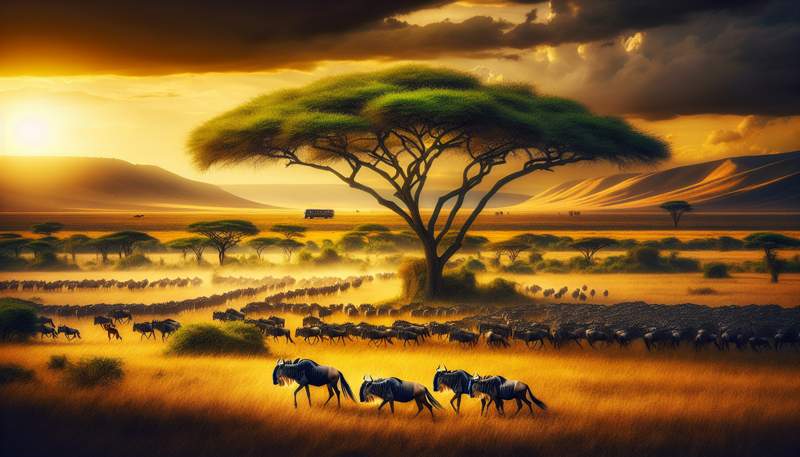
Serengeti National Park
The Serengeti is synonymous with African safari. Spanning 14,750 km2 of savanna, it hosts the Great Migration — the largest overland animal movement on Earth —…
Open destination guide →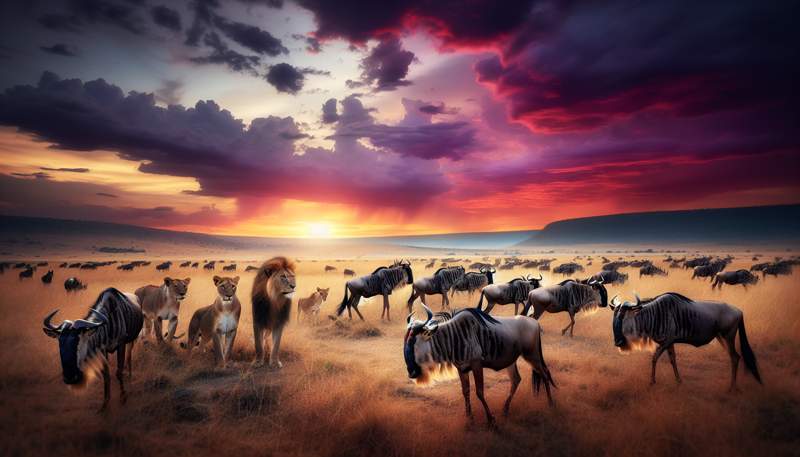
Masai Mara National Reserve
The Masai Mara is Kenya's most celebrated wildlife reserve, forming the northern extension of the Serengeti ecosystem. It offers some of the most reliable big…
Open destination guide →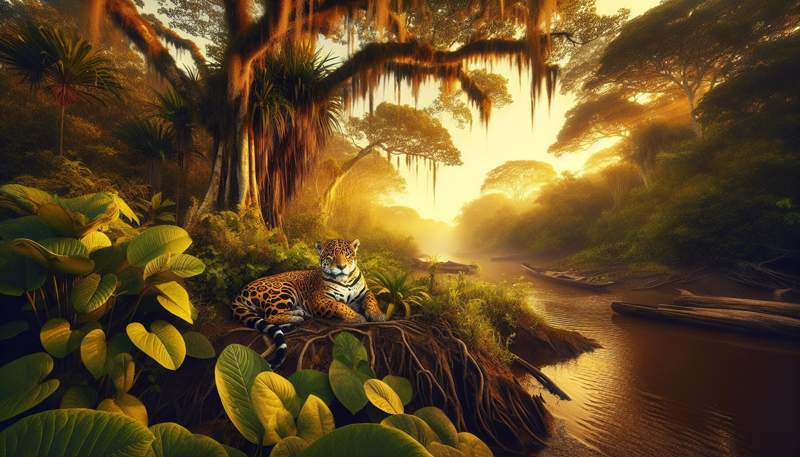
Pantanal
The Pantanal is one of the world's largest freshwater wetland systems, spanning a complex seasonal landscape in Brazil, Bolivia, and Paraguay. Most…
Open destination guide →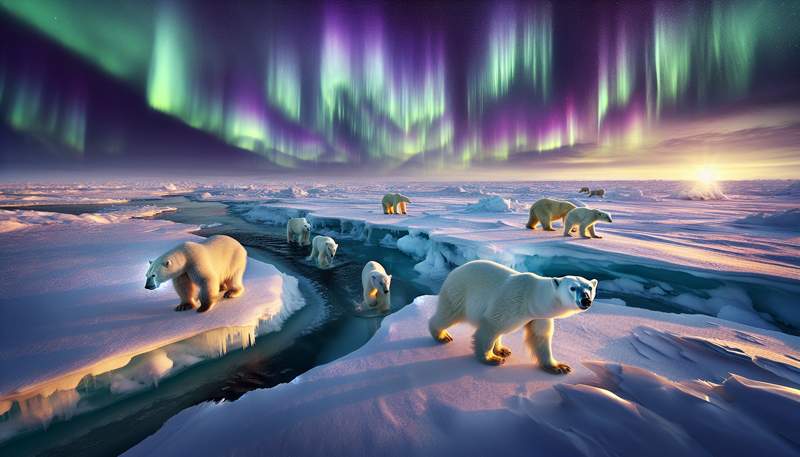
Churchill, Manitoba
Churchill is a remote Hudson Bay community reached by train or air, with no road connection to the wider Manitoba network. Autumn polar-bear viewing, summer…
Open destination guide →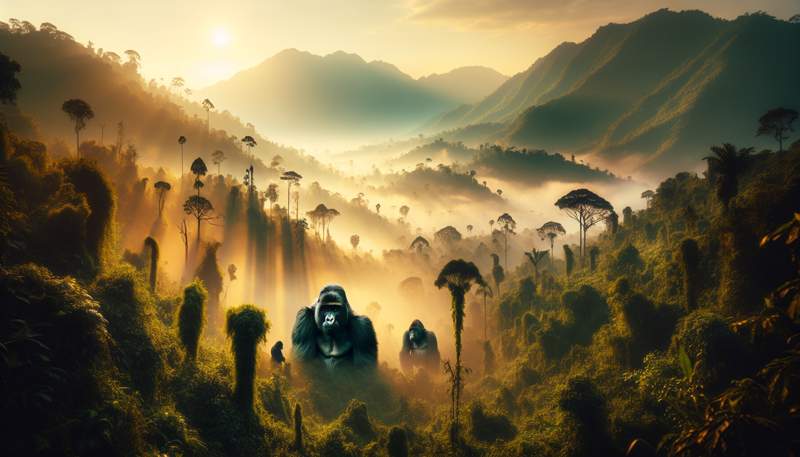
Bwindi Impenetrable Forest
Bwindi Impenetrable National Park is a UNESCO World Heritage forest in south-western Uganda and one of two landscapes where mountain gorillas live. Uganda…
Open destination guide →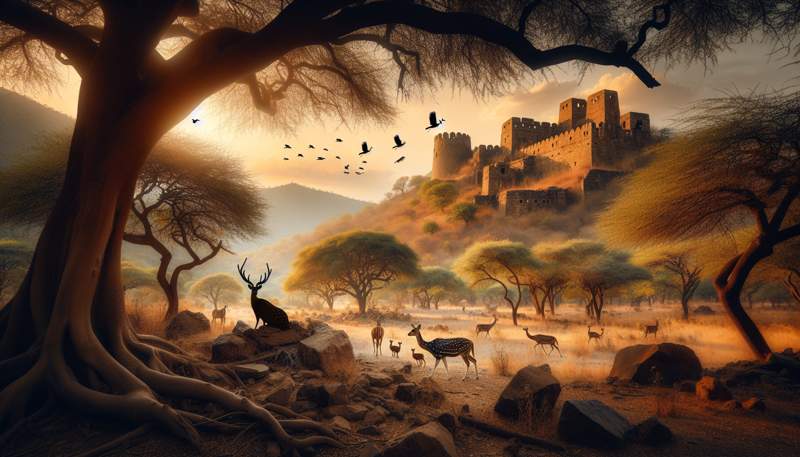
Ranthambore National Park
Ranthambore is India's most famous tiger reserve, where Bengal tigers roam among the ruins of a 10th-century fort. The park's relatively open terrain and…
Open destination guide →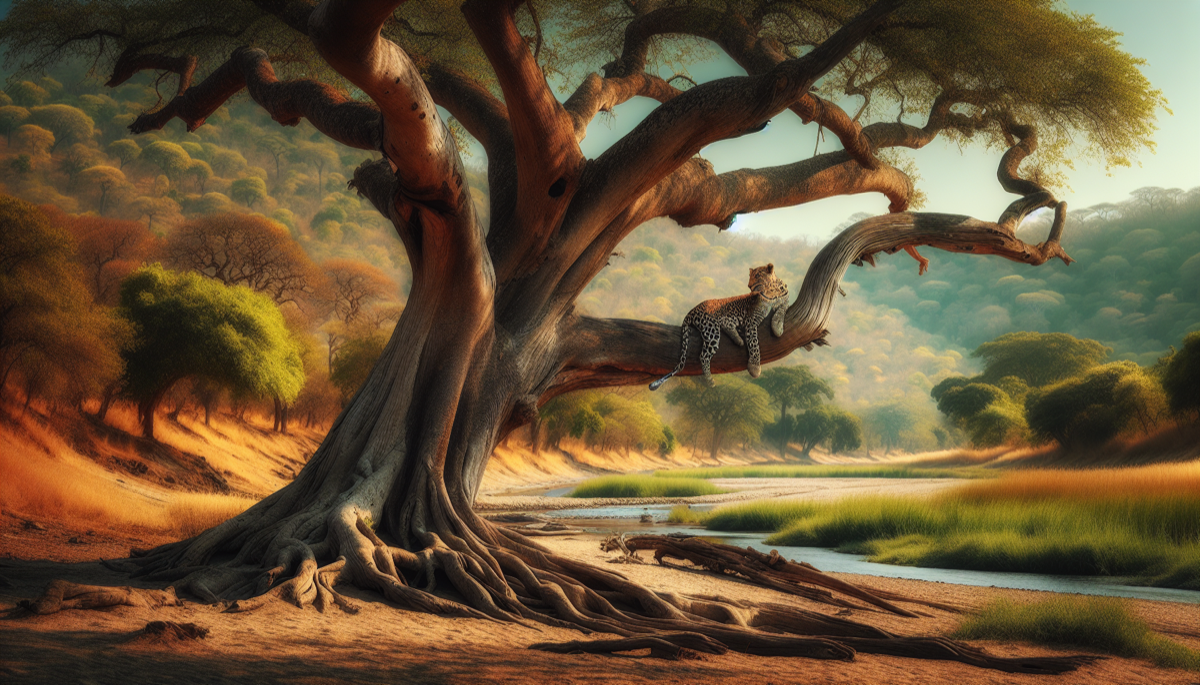
South Luangwa National Park
South Luangwa National Park is one of Africa's finest wildlife sanctuaries, located in eastern Zambia along the winding Luangwa River. Often called the…
Open destination guide →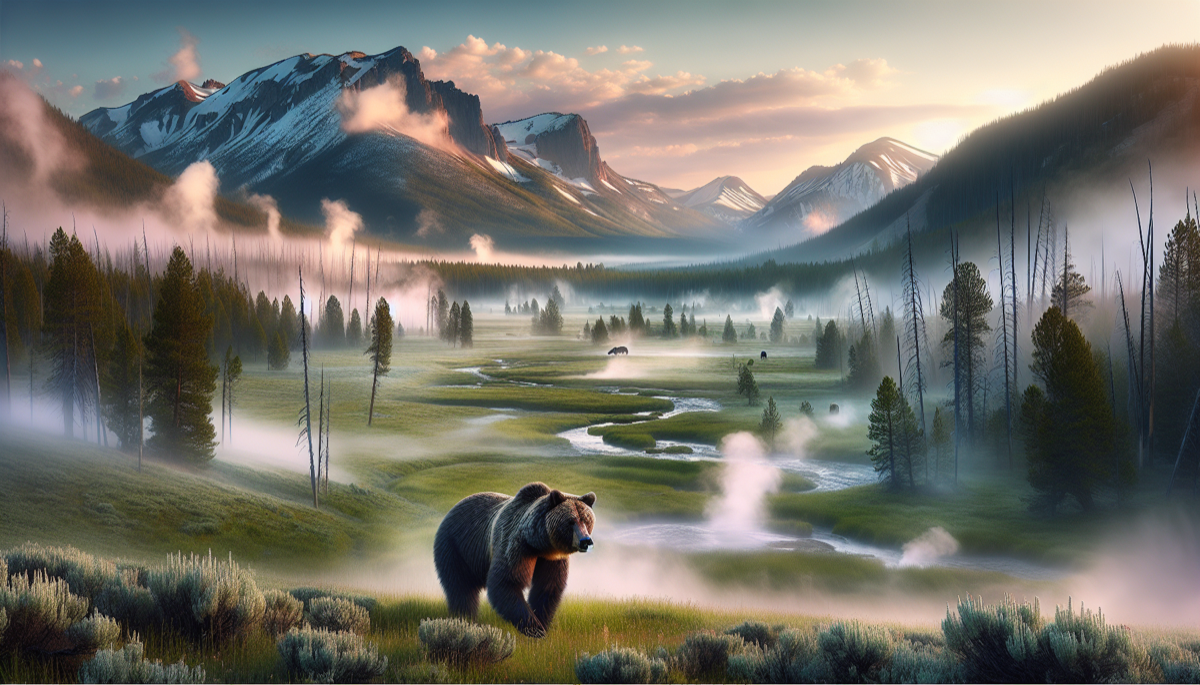
Yellowstone National Park
Yellowstone National Park is America's first and most famous national park, established in 1872 across 8,983 km2 of volcanic plateau in Wyoming, Montana, and…
Open destination guide →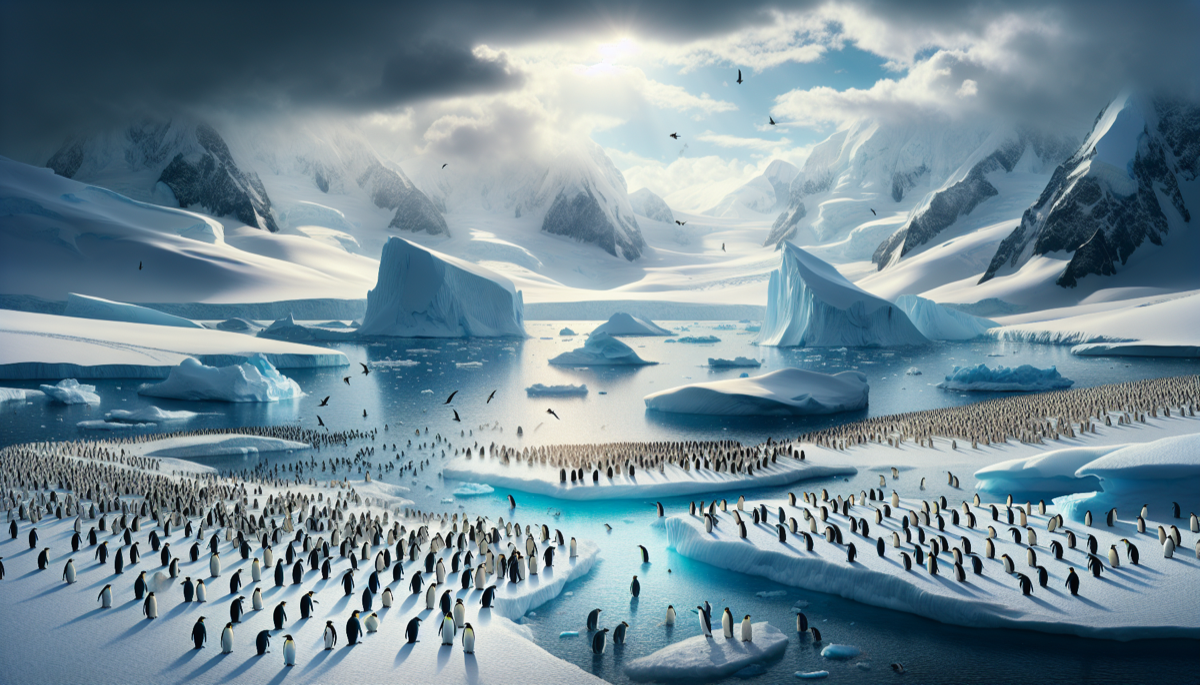
Antarctica
Antarctica is not one interchangeable cruise destination. Most visitors travel by expedition vessel to the Antarctic Peninsula during the austral visitor…
Open destination guide →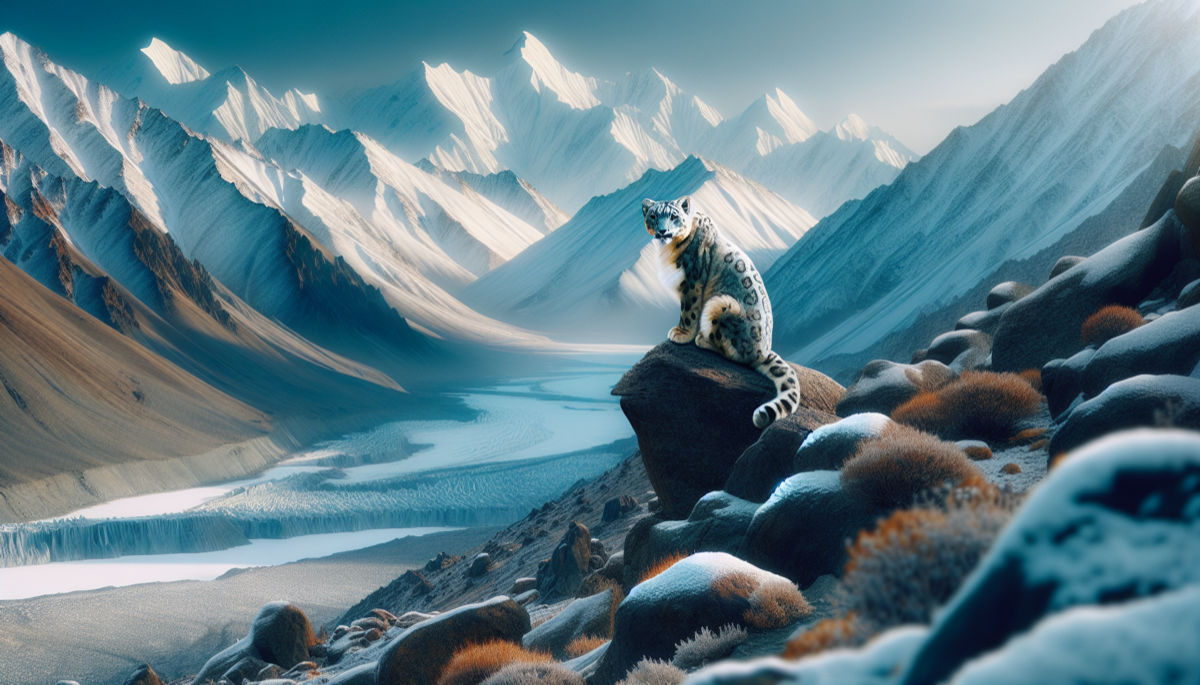
Ladakh
Ladakh is a high-altitude Union Territory in northern India and an important snow-leopard landscape. Its wildlife authority lists Hemis High Altitude National…
Open destination guide →Animals You May Encounter
No species or behaviour is guaranteed. Open the animal guides for wild locations, habitat, seasonal context, safety, conservation status, and alternative places to look.
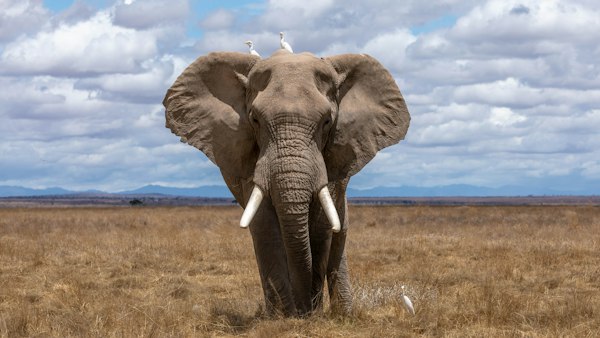
African Elephant
ENLoxodonta africana
Savanna, forest, desert, marshland
Where it lives →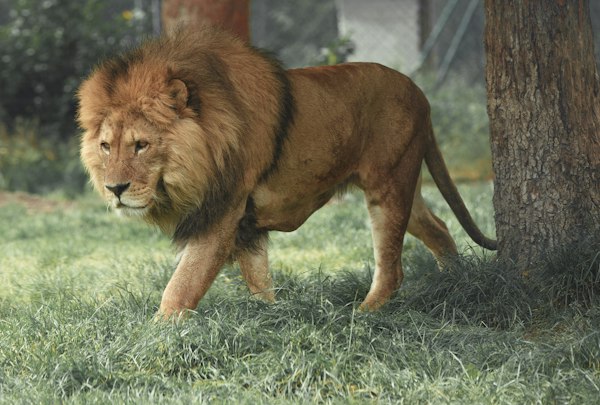
Lion
VUPanthera leo
Savanna, grassland, open woodland
Where it lives →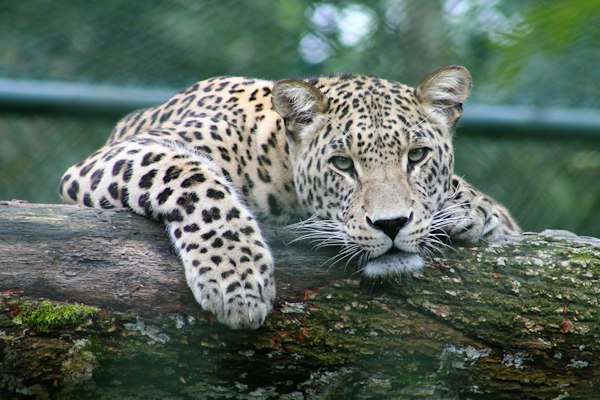
Leopard
VUPanthera pardus
Savanna, rainforest, mountain, desert
Where it lives →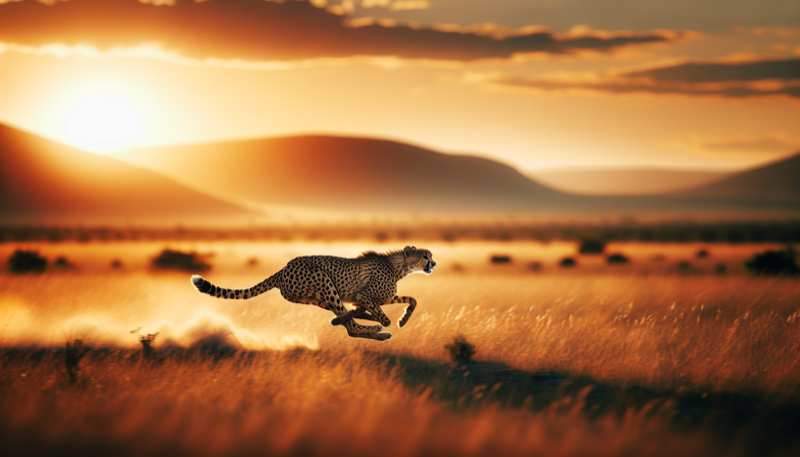
Cheetah
VUAcinonyx jubatus
Open savanna, grassland
Where it lives →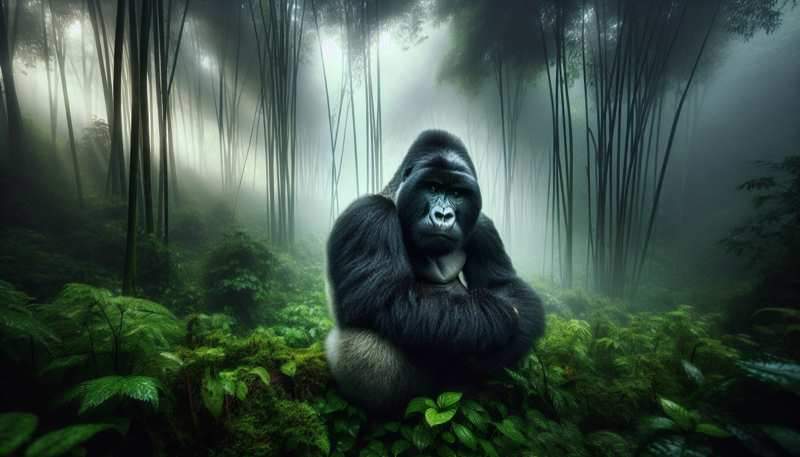
Mountain Gorilla
ENGorilla beringei beringei
Montane and bamboo forest
Where it lives →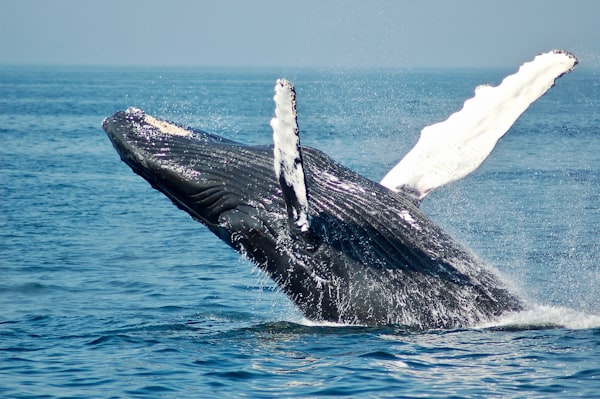
Humpback Whale
LCMegaptera novaeangliae
Open oceans, coastal waters
Where it lives →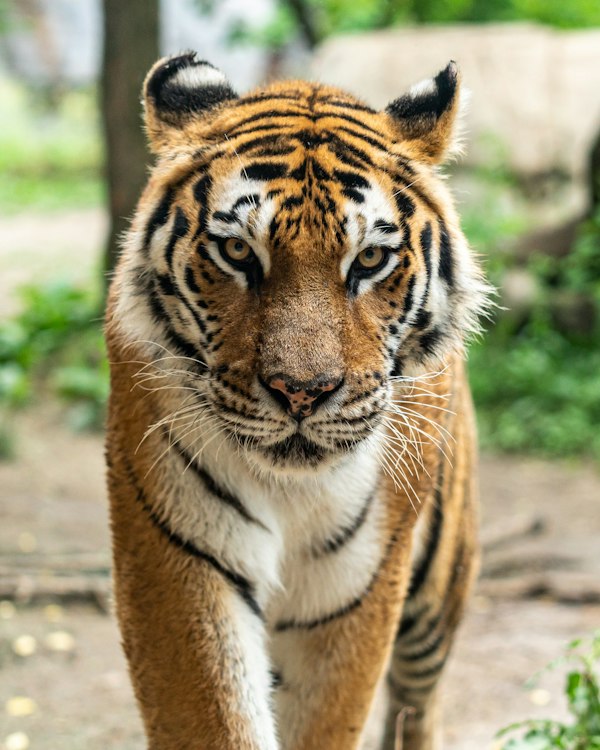
Bengal Tiger
ENPanthera tigris tigris
Tropical and subtropical forests, mangroves, grassland
Where it lives →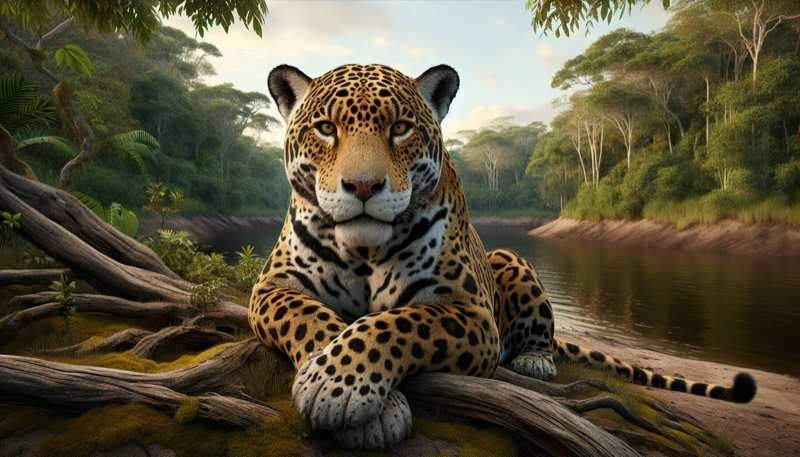
Jaguar
NTPanthera onca
Tropical rainforest, wetlands, grassland
Where it lives →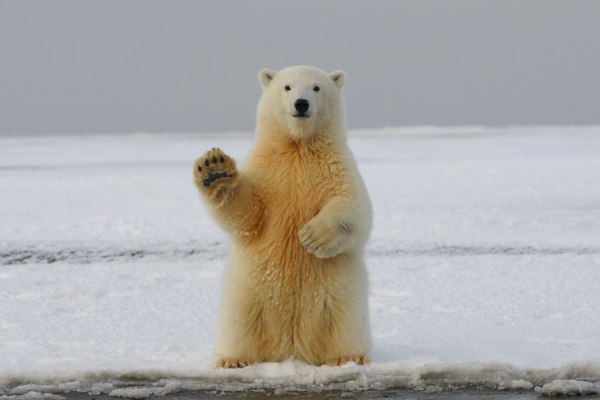
Polar Bear
VUUrsus maritimus
Arctic sea ice, coastal tundra
Where it lives →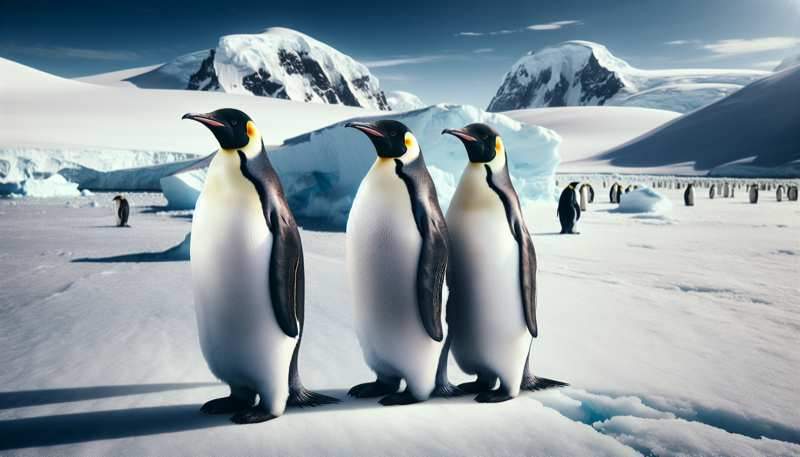
Emperor Penguin
ENAptenodytes forsteri
Antarctic coastal fast ice and the Southern Ocean; breeding and moult depend on suitable sea ice
Where it lives →Explore the Habitats
Explore by Country
Wildlife Photography Tours Planning Guides
Compare destinations, itineraries, timing, costs, photography, and responsible choices in our related editorial guides.
Best Safari Destinations for Wildlife Photographers
Compare safari destinations for photography by light, habitat, vehicle position, wildlife behaviour, guide skill, hides, crowding, and seasonal conditions.
Read guide →How to Photograph Big Cats on Safari: Expert Tips
Professional techniques for photographing lions, leopards, and cheetahs on safari. Camera settings, positioning, lighting, and behavior prediction from expert photographers.
Read guide →
Best Binoculars for Safari: Features and Budget Guide
Compare safari binoculars by magnification, objective size, field of view, low-light performance, durability, weight, eye relief, and total budget.
Read guide →Threatened Species and Independent Support
8 species connected to this experience are listed in our guides as Vulnerable, Endangered, or Critically Endangered: African Elephant (Endangered), Lion (Vulnerable), Leopard (Vulnerable), Cheetah (Vulnerable), Mountain Gorilla (Endangered), Bengal Tiger (Endangered), Polar Bear (Globally Vulnerable; Canadian status varies by jurisdiction), and more.
Tourism can contribute through protected-area fees and local work, but it does not replace habitat protection or careful operator practice.
Explore Endangered AnimalsCompare Wildlife Photography Tours Tours
Listings are supplied by an external booking partner. Confirm the exact location, wildlife policy, operator, itinerary, permits, recent reviews, availability, total price, and cancellation terms before booking.

Wildlife Watching Safari by Vehicle & Walks / Photography workshops with a Guide
4 hours
Doha Night Desert Safari, Stargazing, Photography، Relaxation
3 hours
Northern Lights and Photography Tour - No Aurora = Full Refund
4 hours
Best Desert Safari Dubai Falcon photography camel BBQdinner&shows
7 hours
Guided Yellowstone Wildlife Tour
8 hours
Rovaniemi: Northern Lights Hunting and Photography Tour
3 hoursRelated Wildlife Experiences
Safari Game Drives
A game drive uses a vehicle to explore protected landscapes with a guide or, where rules allow, as a self-drive visitor. It is the most accessible…
Compare the experience →Walking Safaris
A walking safari shifts attention from covering distance to reading an ecosystem at ground level. Tracks, dung, plants, insects, alarm calls, wind,…
Compare the experience →
Whale Watching
Whale watching can mean a short coastal boat trip, a shore-based migration watch, or several days at sea in a remote region. Success depends on…
Compare the experience →