Wildlife Guides
The Big Five Safari Guide: See All Five in One Trip
Where and how to see all Big Five animals (lion, leopard, elephant, rhino, buffalo) on a single African safari.
Read guide →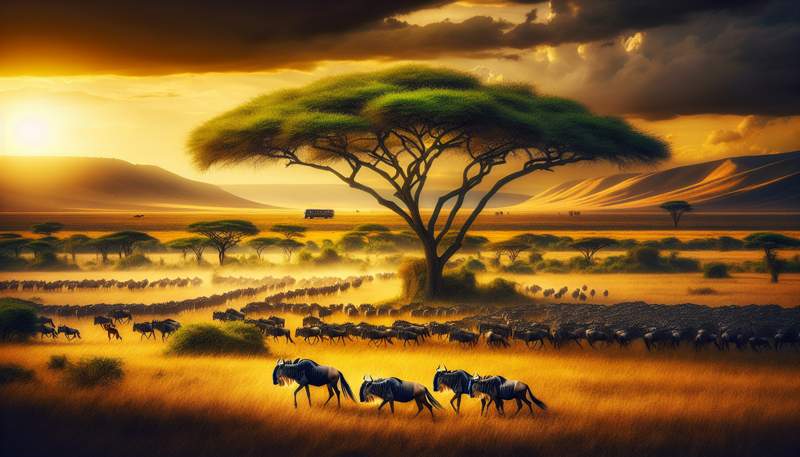
20 animal guides · 8 destinations · ecology-led trip planning
Open grasslands, wooded savannas, and seasonal plains support large herbivore herds, social predators, scavengers, and some of the world’s most visible terrestrial migrations. Water and fresh grazing concentrate wildlife, but the same openness can attract many vehicles around a sighting.
Dry periods often simplify viewing around water, while greener months can bring births, birds, dramatic skies, and fewer visitors. Choose the biological event and atmosphere you want rather than assuming one universal “best” month.
These guides represent different access styles and regions within the broader habitat. Check local seasonal information before booking.
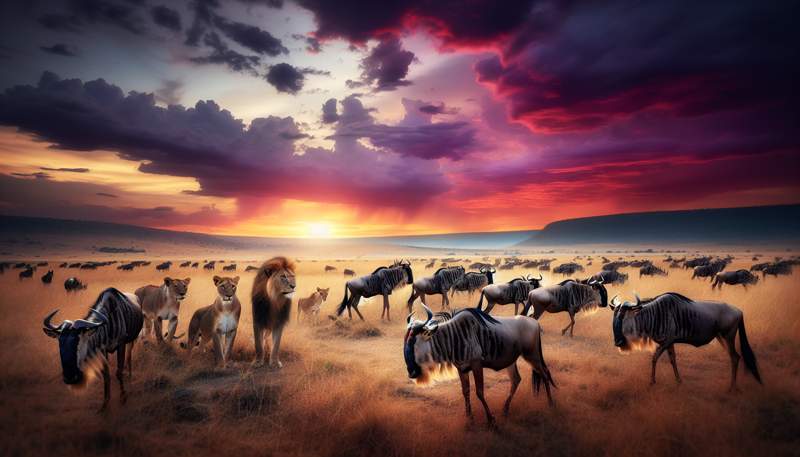
The Serengeti is synonymous with African safari. Spanning 14,750 km2 of savanna, it hosts the Great Migration — the largest overland animal movement on Earth — ...
Plan a visit →The Masai Mara is Kenya's most celebrated wildlife reserve, forming the northern extension of the Serengeti ecosystem. It offers some of the most reliable big c...
Plan a visit →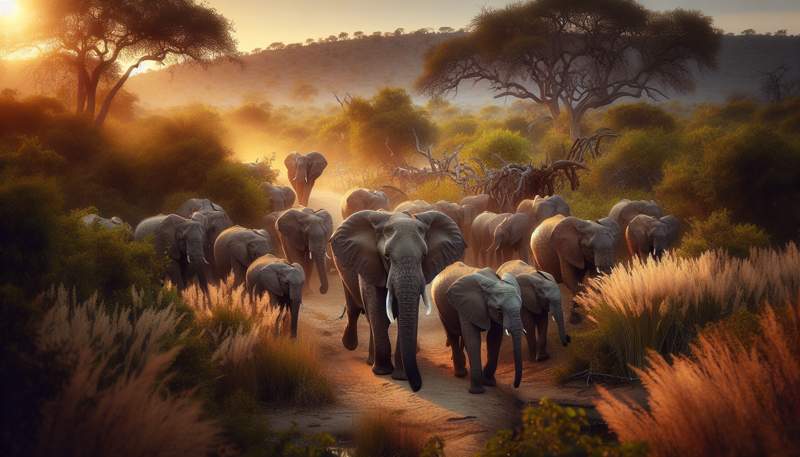
Kruger is one of the largest game reserves in Africa, covering nearly 20,000 km2. It offers an accessible, affordable safari experience with excellent infrastru...
Plan a visit →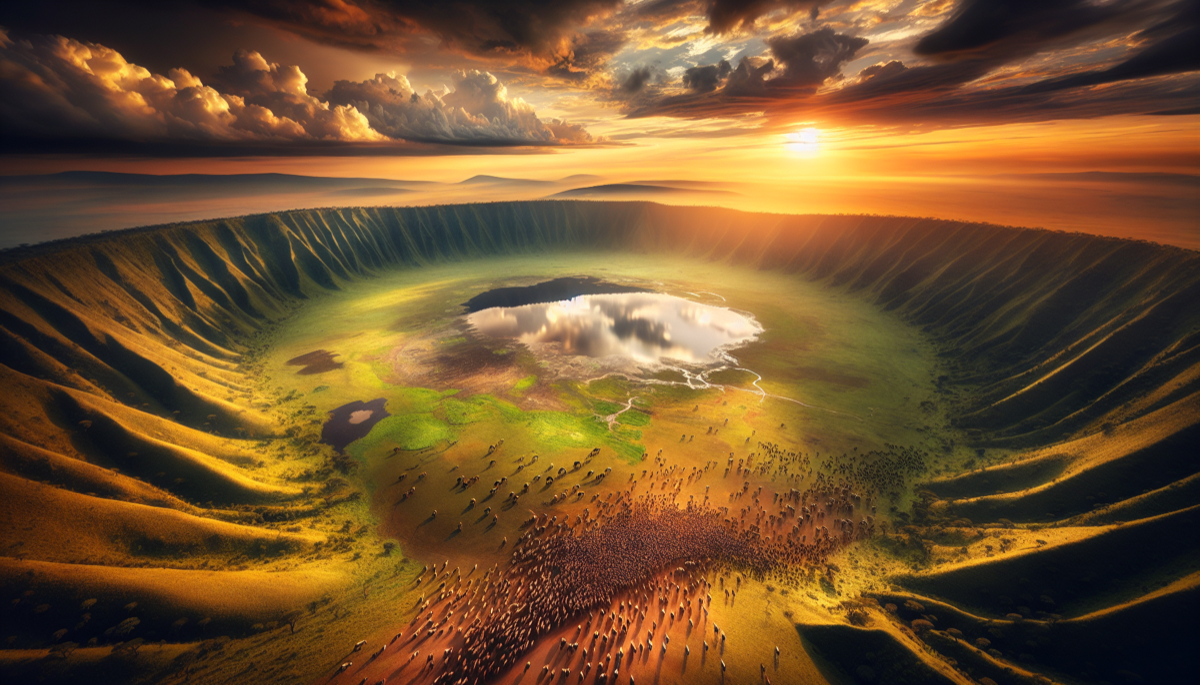
The Ngorongoro Crater is the world's largest unbroken volcanic caldera and one of Africa's most spectacular wildlife destinations. This natural amphitheatre, ro...
Plan a visit →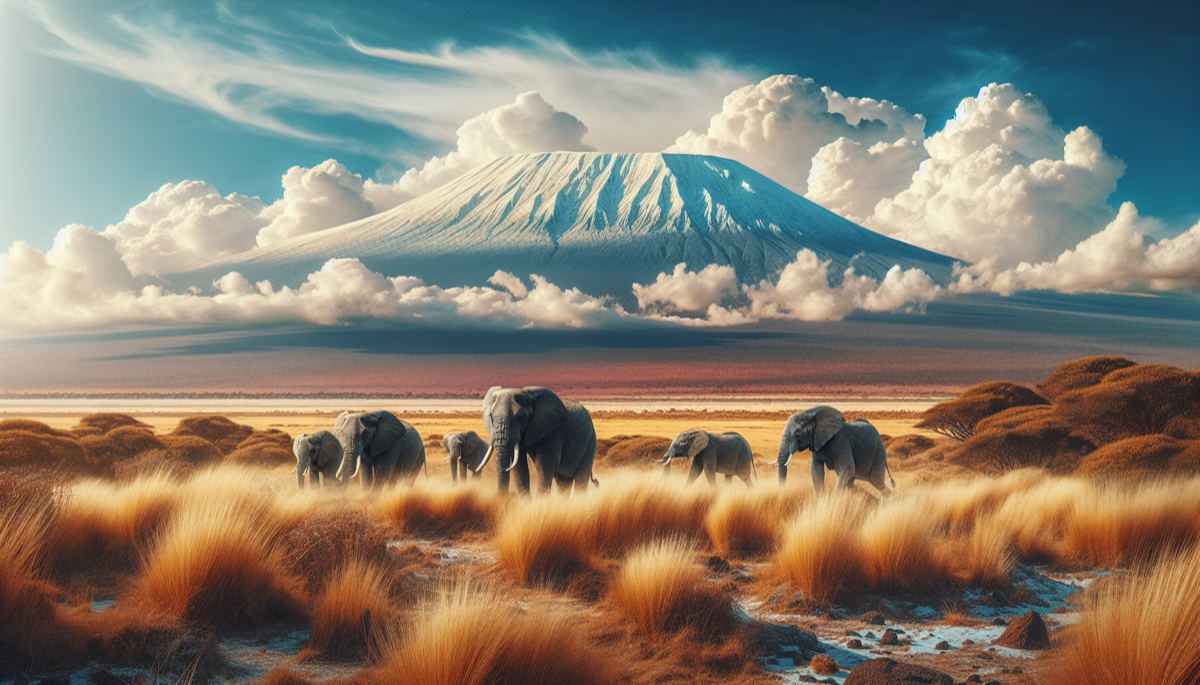
Amboseli National Park is one of Kenya's most iconic wildlife destinations, famous for its large elephant herds set against the dramatic backdrop of Mount Kilim...
Plan a visit →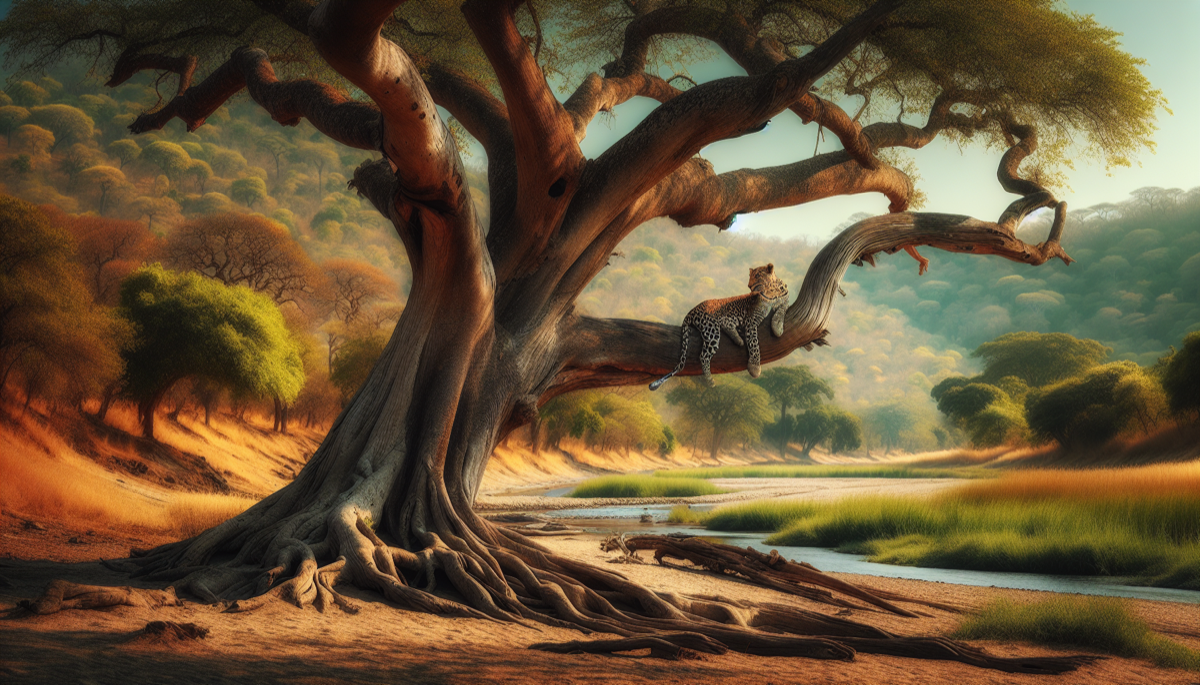
South Luangwa National Park is one of Africa's finest wildlife sanctuaries, located in eastern Zambia along the winding Luangwa River. Often called the birthpla...
Plan a visit →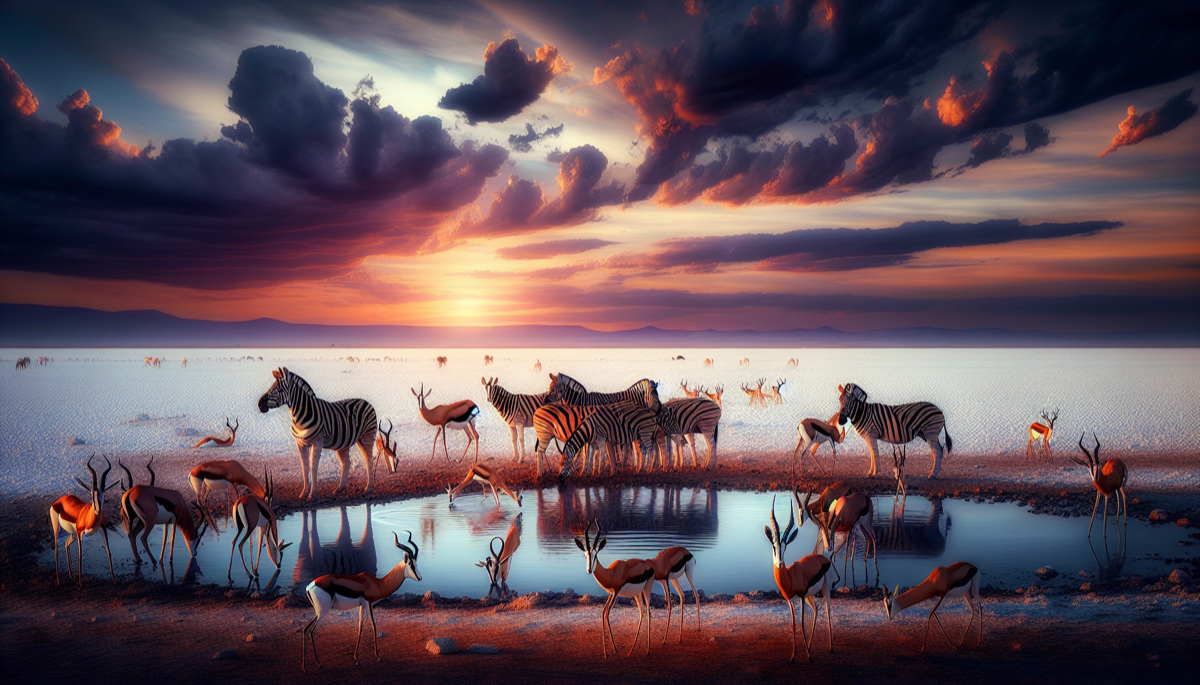
Etosha National Park is Namibia's premier wildlife destination, centred around a vast, shimmering salt pan that stretches 120 km across the park's heart. Coveri...
Plan a visit →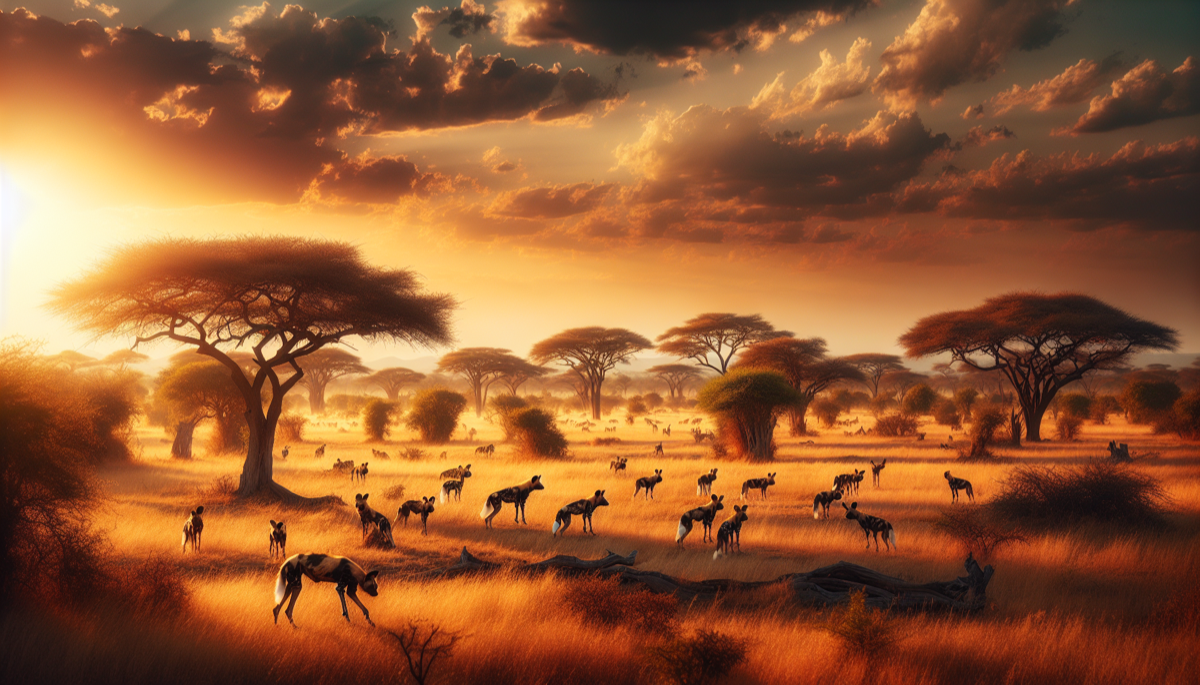
Hwange National Park is Zimbabwe's largest and oldest national park, covering 14,651 km2 of semi-arid bushveld, grassland, and teak woodland. The park is renown...
Plan a visit →Species may use more than one habitat. Open any guide for its full range, wild locations, seasonal context, tours, zoos, and conservation status.
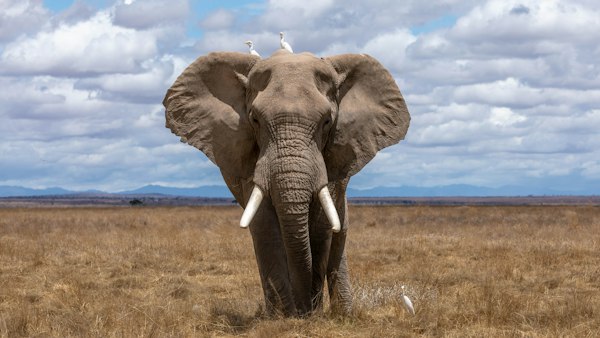
Loxodonta africana
Savanna, forest, desert, marshland
Explore the species →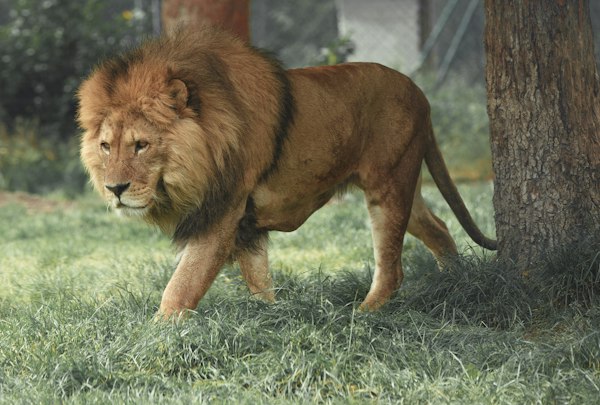
Panthera leo
Savanna, grassland, open woodland
Explore the species →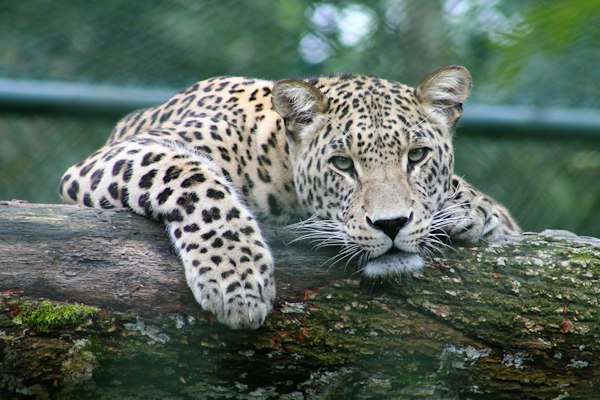
Panthera pardus
Savanna, rainforest, mountain, desert
Explore the species →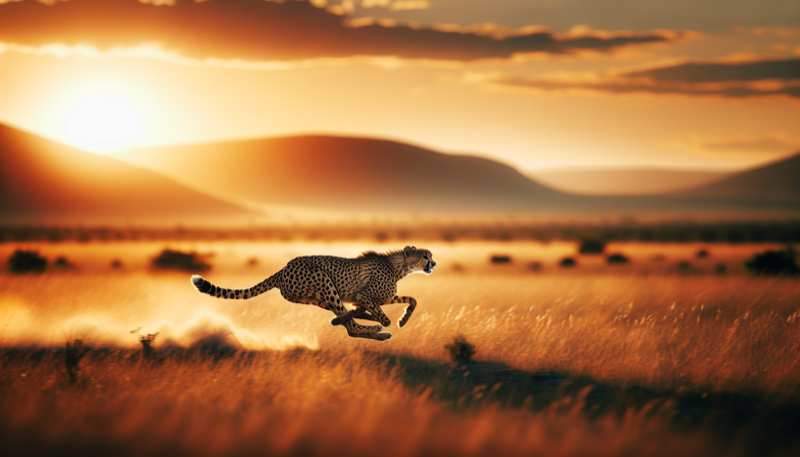
Acinonyx jubatus
Open savanna, grassland
Explore the species →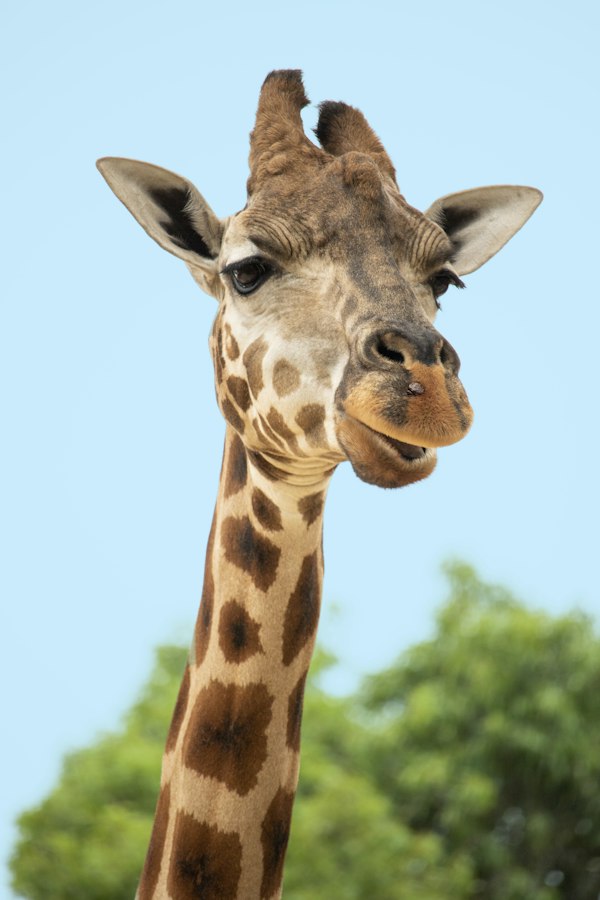
Giraffa camelopardalis
Savanna, woodland
Explore the species →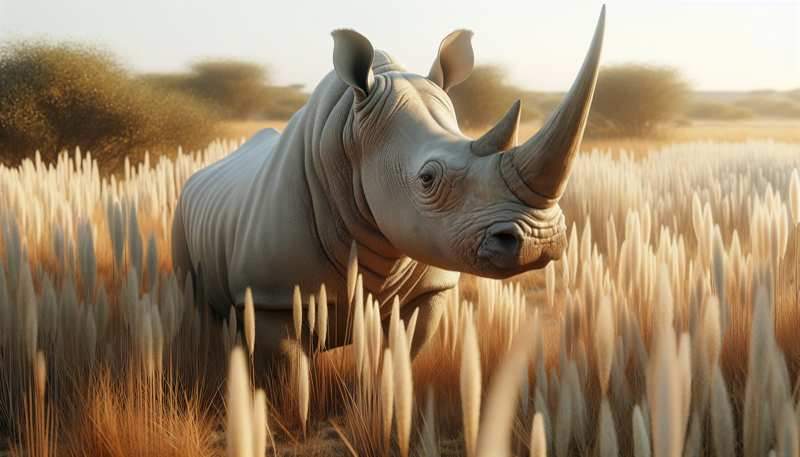
Rhinocerotidae — five living species
Savanna, shrubland, floodplain grassland, wetland, and tropical forest
Explore the species →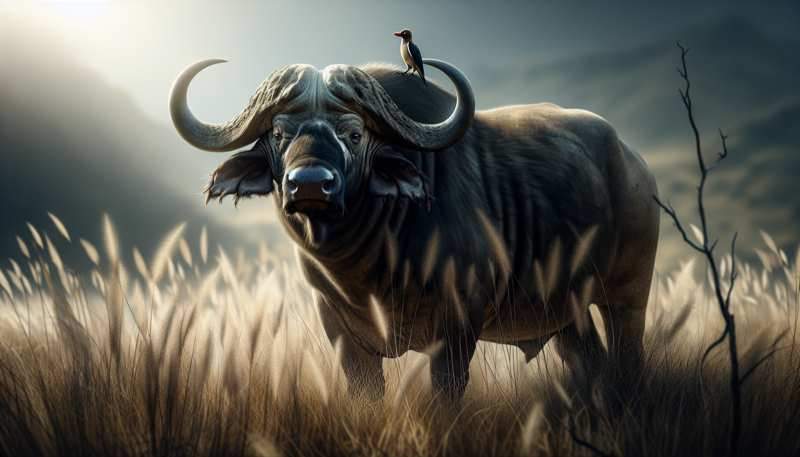
Syncerus caffer
Savanna, swamps, floodplains
Explore the species →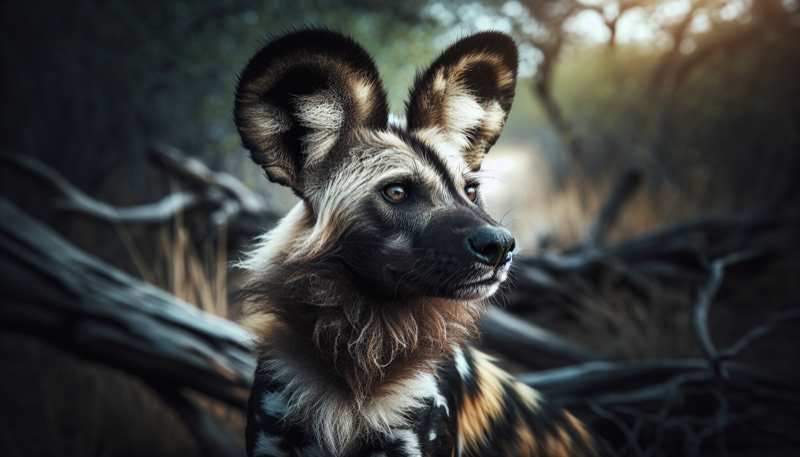
Lycaon pictus
Savanna, open woodland
Explore the species →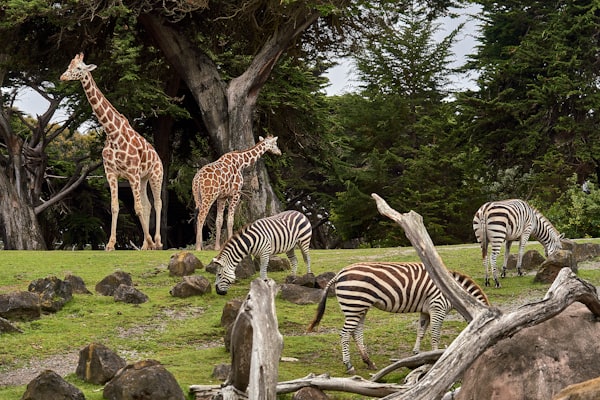
Equus quagga
Savanna, grassland
Explore the species →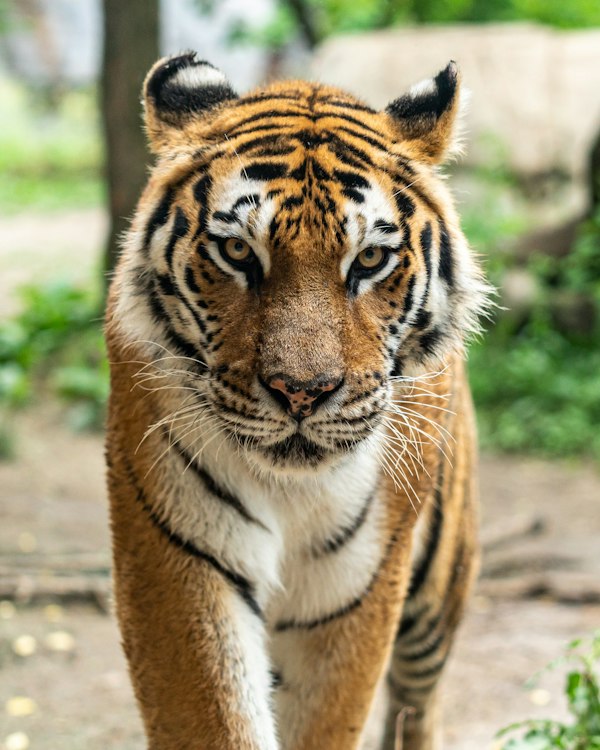
Panthera tigris tigris
Tropical and subtropical forests, mangroves, grassland
Explore the species →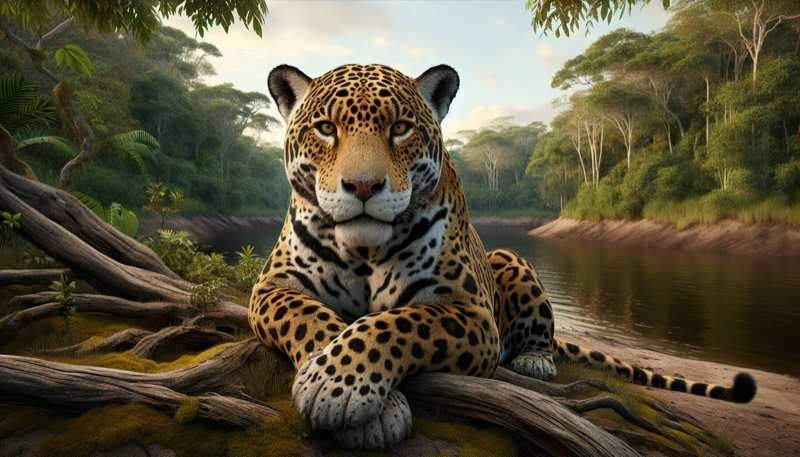
Panthera onca
Tropical rainforest, wetlands, grassland
Explore the species →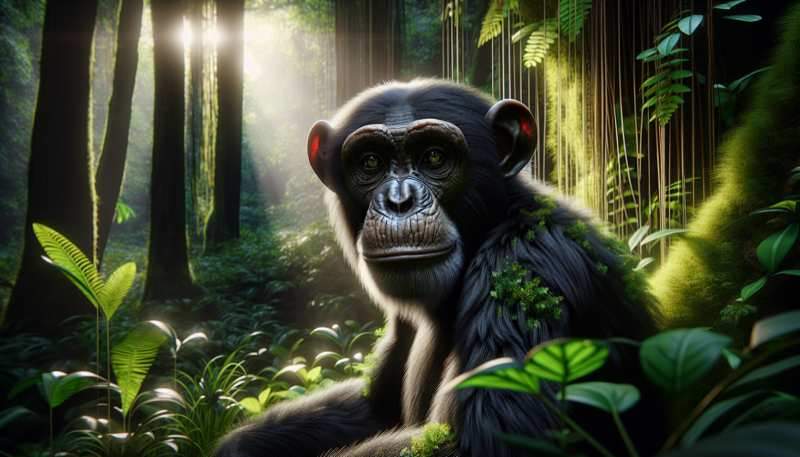
Pan troglodytes
Tropical rainforest, woodland savanna
Explore the species →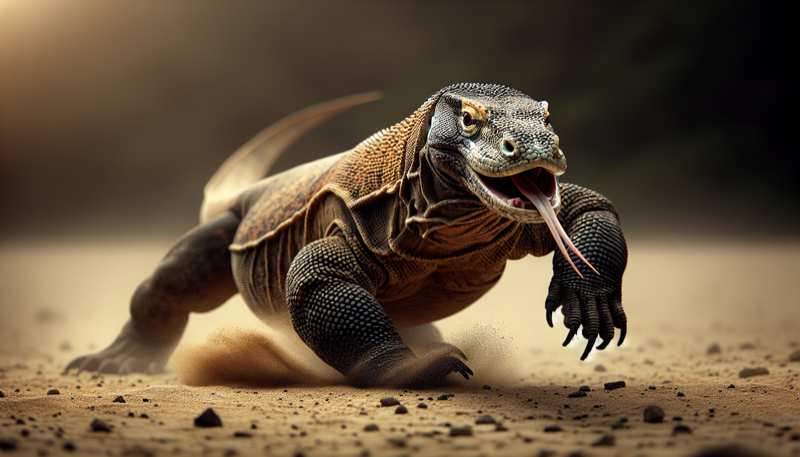
Varanus komodoensis
Tropical savanna, monsoon forest
Explore the species →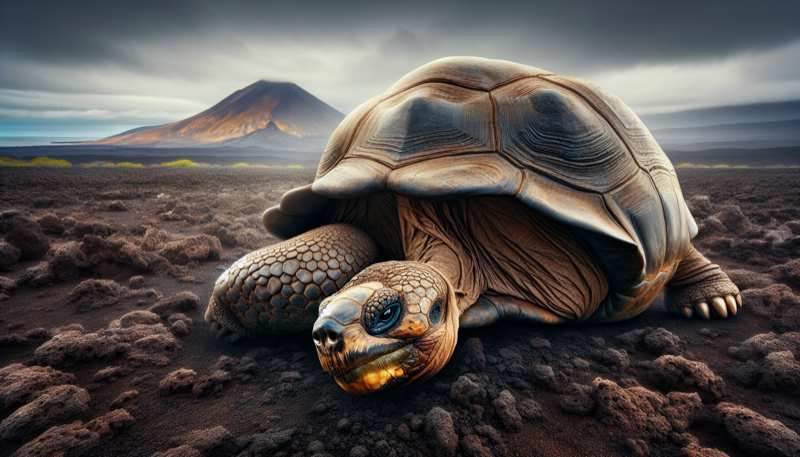
Chelonoidis nigra
Volcanic islands, grassland, scrubland
Explore the species →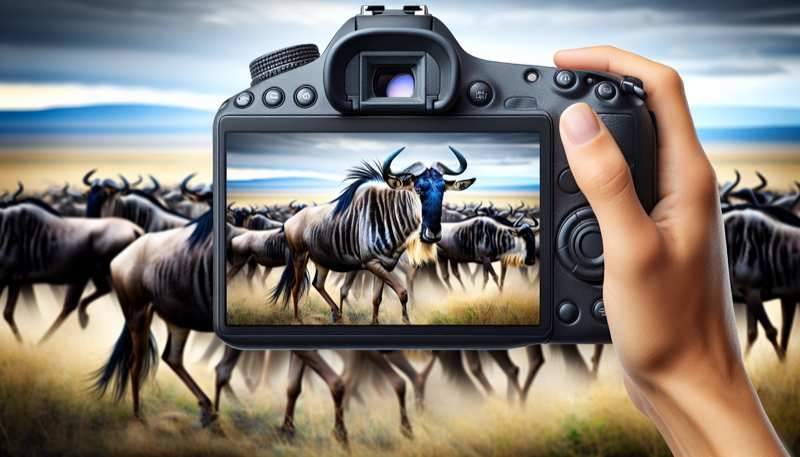
Connochaetes taurinus
Savanna, grassland, open woodland
Explore the species →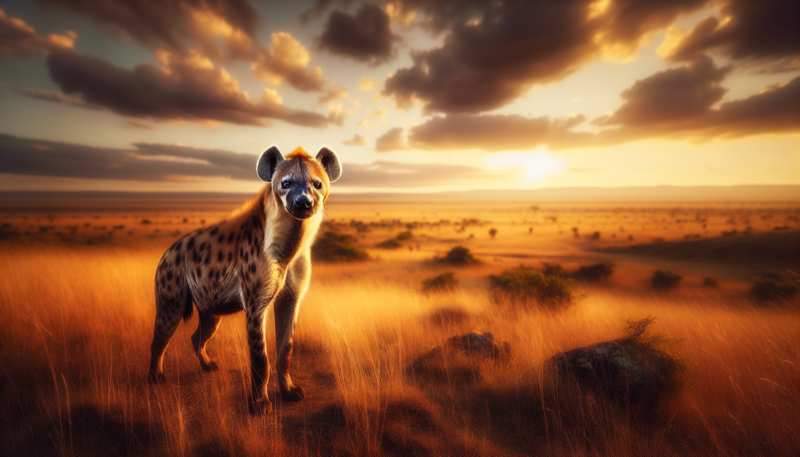
Crocuta crocuta
Savanna, grassland, woodland, semi-desert
Explore the species →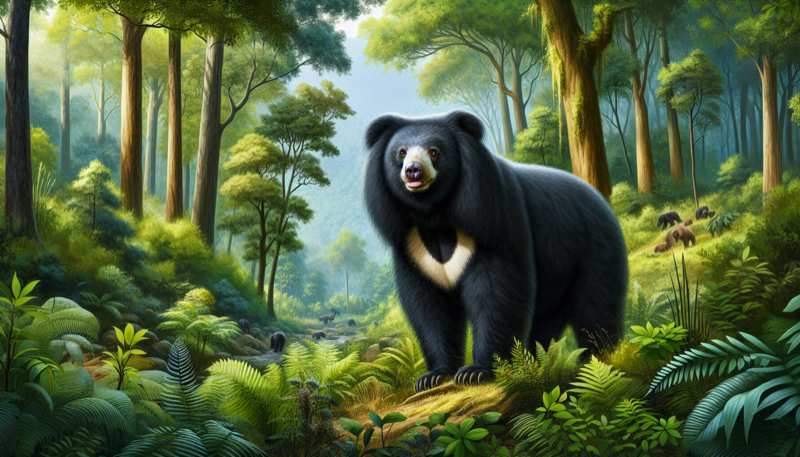
Melursus ursinus
Dry and moist tropical forests, grasslands
Explore the species →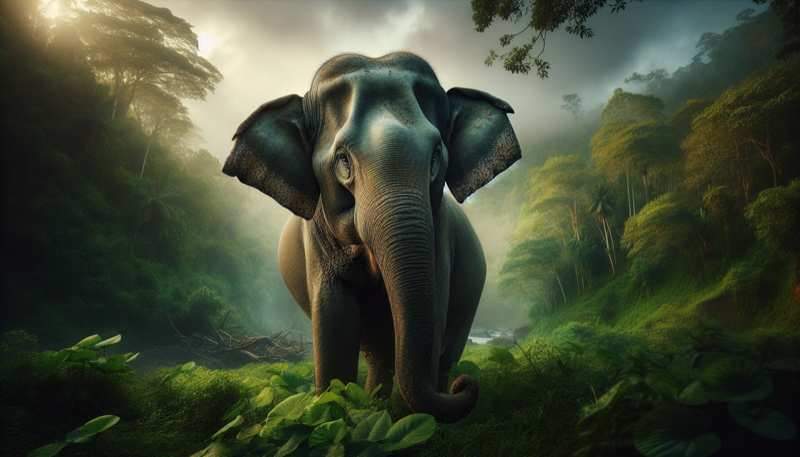
Elephas maximus
Tropical and subtropical forests, grasslands, scrublands
Explore the species →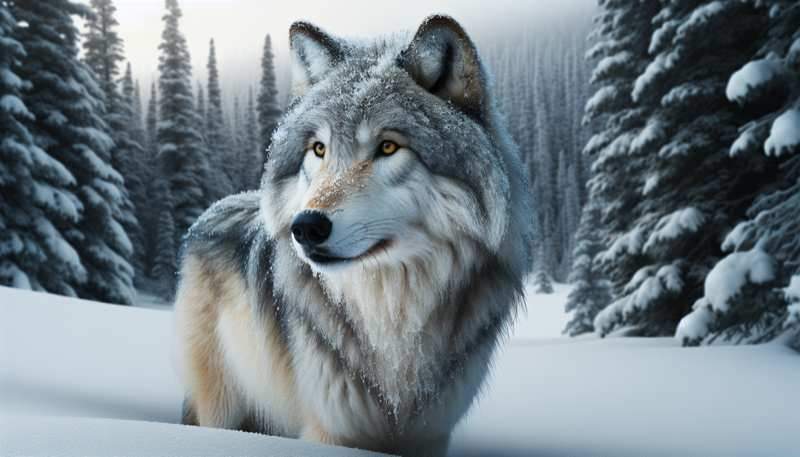
Canis lupus
Tundra, boreal and temperate forest, grassland, steppe, mountain, and some human-dominated landscapes where prey and tolerance permit
Explore the species →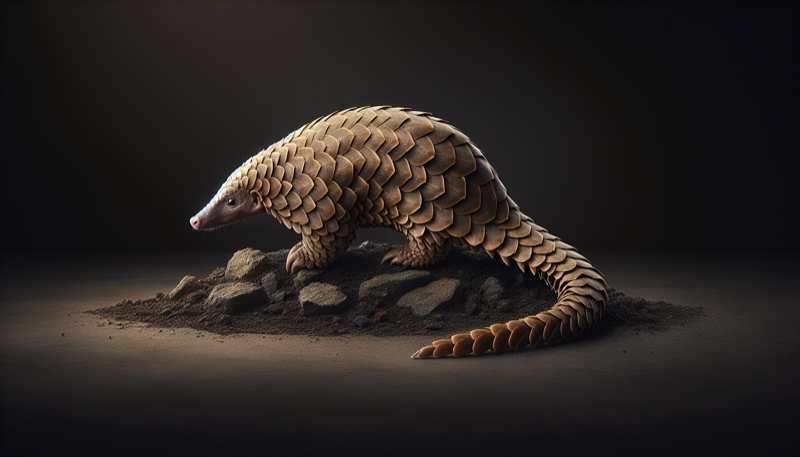
Family Manidae — eight living species
Species-dependent tropical and subtropical forest, woodland, savanna, grassland, and scrub with suitable prey and shelter
Explore the species →Activity guides connect the ecosystem to practical access, operator questions, wildlife welfare, and suitable destinations.
A game drive uses a vehicle to explore protected landscapes with a guide or, where rules allow, as a self-drive visitor. It is the most…
Plan the experience →A walking safari shifts attention from covering distance to reading an ecosystem at ground level. Tracks, dung, plants, insects, alarm calls,…
Plan the experience →A wildlife photography tour should improve access, fieldcraft, and learning without turning animal welfare into a competition for the closest…
Plan the experience →Use these editorial guides to connect ecosystem knowledge with destinations, seasons, itineraries, photography, and responsible viewing.
Where and how to see all Big Five animals (lion, leopard, elephant, rhino, buffalo) on a single African safari.
Read guide →Plan a safari honeymoon by comparing destinations, seasons, private experiences, journey time, lodge styles, budgets, and responsible wildlife viewing.
Read guide →
Understand the main African safari cost drivers, where careful choices can save money, which compromises affect wildlife time, and what to verify before booking.
Read guide →Conversion to agriculture, fencing, livestock conflict, hunting, and disrupted migration corridors can fragment systems that depend on movement across large areas.
14 threatened animals in this collection: African Elephant (Endangered), Lion (Vulnerable), Leopard (Vulnerable), Cheetah (Vulnerable), Giraffe (Vulnerable), Rhinoceros (Species range: Near Threatened to Critically Endangered), and more.
Explore Threatened Species